Photography Styles and Subjects That Define Texas
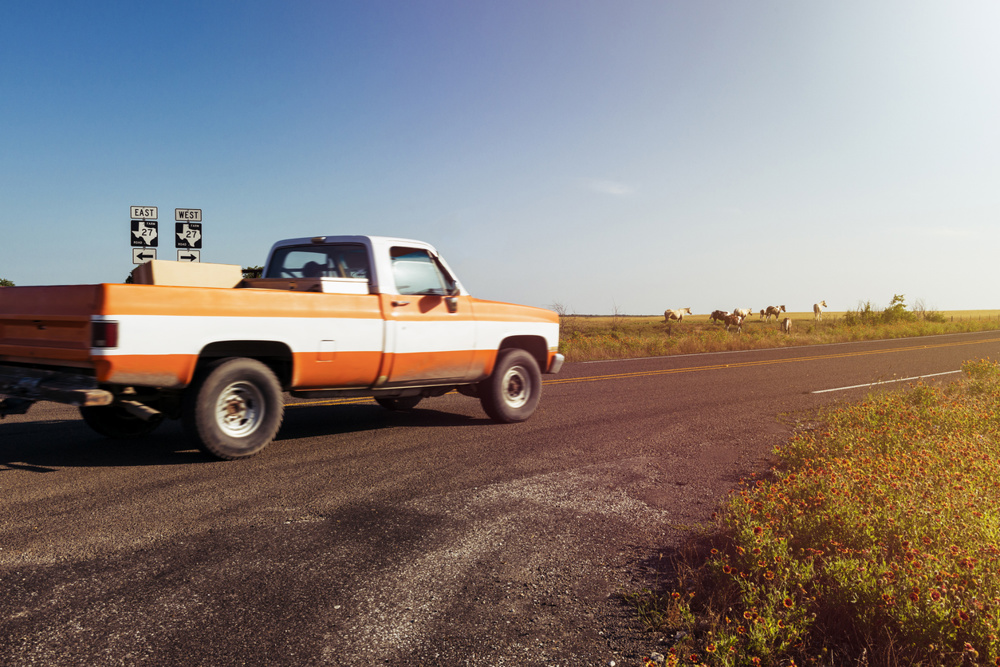
Texas photography reflects the state’s enormous geographic, cultural, and historical diversity. From early frontier portraits and historic street scenes to modern landscape work and documentary ranch photography, photographers across Texas have captured the people, places, and traditions that shape the state’s identity.
Over the past two centuries, Texas photography has developed through several distinct styles, including early photographic processes, street photography, rural documentary work, landscape photography, ranch imagery, and experimental abstract photography. Together, these traditions form a visual record of Texas history, culture, and everyday life.
Daguerreotypes, Tintypes, and Early Texas Photography
Photography arrived in Texas during the 1840s, only a few years after the daguerreotype process was introduced in the United States.
One of the earliest known photographic references in Texas appeared in Houston newspaper advertisements during the early 1840s, when photographers began offering portrait services to residents of the Republic of Texas and early statehood communities.
The famous 1849 daguerreotype of the Alamo remains one of the earliest surviving photographs taken in Texas. The image shows the Alamo chapel before later restoration work altered parts of the structure.
During the mid-1800s, photographic formats such as daguerreotypes, ambrotypes, and tintypes became increasingly popular. Tintypes gained widespread use during and after the Civil War because they were inexpensive, portable, and more durable than glass-based images.
By the late 19th century, advances in glass negatives and paper prints allowed photographers to produce multiple copies of photographs more efficiently. Studio photography expanded rapidly across Texas cities and frontier towns, documenting settlers, ranchers, soldiers, merchants, and families.
Early Texas photography also included traveling photographers who moved between small communities, ranch settlements, and developing urban centers offering portrait services and landscape images.
Texas Street Photography Before 1960
Before 1960, Texas street photographers documented everyday life in cities such as Austin, Dallas, Houston, San Antonio, Fort Worth, and El Paso.
Street photography during this period captured downtown storefronts, pedestrians, public transportation, restaurants, theaters, markets, and rapidly growing commercial districts. These photographs now serve as important visual records of Texas urban history.
In Austin, photographers associated with studios along Congress Avenue documented changing street scenes and community life during the late 19th and early 20th centuries. In San Antonio, photographer William DeRyee created some of the earliest surviving city images during the late 1850s and early 1860s.
As photographic equipment became more portable and film technology improved, photographers gained greater freedom to capture candid moments outside formal studio environments.
Texas street photography from this era often emphasized:
- Downtown architecture
- Daily routines and commerce
- Fashion and transportation
- Public gatherings and celebrations
- Neighborhood and immigrant communities
These images remain valuable historical records of Texas cities before large-scale modernization reshaped many downtown areas.
Texas Landscape Photography from Hill Country to the Coast
Landscape photography has long been one of Texas’s most recognizable photographic traditions because of the state’s dramatic geographic variety.
Photographers continue to document:
| Region | Common Photography Subjects |
| Hill Country | Wildflowers, rolling hills, rivers, oak trees |
| West Texas | Desert mountains, canyons, storms, night skies |
| Big Bend Region | Ocotillo, volcanic terrain, Rio Grande landscapes |
| Gulf Coast | Marshes, seabirds, fishing culture, beaches |
| Texas Panhandle | Plains, agricultural scenes, dramatic skies |
| East Texas | Pine forests, cypress swamps, lakes |
Spring wildflower photography remains especially popular in places such as Ennis, Brenham, and parts of the Texas Hill Country, where bluebonnets and Indian paintbrushes create colorful seasonal landscapes.
In West Texas, photographers frequently focus on the dramatic terrain of Big Bend National Park, where changing desert light, mountain silhouettes, and expansive skies create striking compositions.
Along the Gulf Coast, photographers capture marsh ecosystems, shorebirds, shrimping communities, and coastal weather patterns near locations such as Padre Island National Seashore.
Farm Life and Small-Town Documentary Photography
Documentary photographers have played a major role in preserving Texas agricultural and rural culture.
Texas contains more farms and ranches than any other state, with hundreds of thousands of agricultural operations spread across the state’s rural regions. Photographers documenting farm life often focus on family-owned ranches, small-town traditions, rodeos, county fairs, livestock operations, and generational farming communities.
Common documentary subjects include:
- Cattle ranching
- Cotton farming
- Rural churches and schools
- Rodeo culture
- Farm equipment and barns
- County fairs and livestock shows
- Small-town businesses
Many Texas documentary photographers emphasize authenticity and everyday life rather than heavily staged scenes. Their work helps preserve visual records of rural communities facing economic, technological, and demographic changes.
Texas photographer Randal Ford became widely recognized for his carefully lit animal portrait photography, including portraits of longhorns, horses, and livestock associated with ranch culture.
Ranch Life and Western Photography in Texas
Texas ranch photography remains closely tied to the state’s Western identity and cowboy heritage.
Although historic cattle drives largely ended in the late 1800s, photographers continue documenting working ranches, horseback riding, branding operations, rodeos, and cattle handling traditions that still exist across Texas ranch country.
Photographs in this style often highlight:
- Cowboys working horseback
- Dust-filled cattle movements
- Ranch landscapes at sunrise and sunset
- Weathered ranch equipment
- Multi-generational ranch families
- Longhorn cattle and horses
Many contemporary photographers blend documentary realism with cinematic Western imagery, using natural light and wide-open landscapes to emphasize the scale and atmosphere of Texas ranch life.
The visual legacy of routes such as the Chisholm Trail continues influencing modern Western photography across the state.
Abstract and Experimental Photography Movements in Texas
Texas also played a significant role in experimental and abstract photography during the 20th century.
Photographer Carlotta Corpron, who taught at Texas Woman’s University in Denton, became known for pioneering abstract photographic techniques during the 1940s. Her work explored light patterns, reflections, and nontraditional compositions that helped expand photography beyond documentary representation.
Universities and art organizations across Texas later helped support experimental photographic work through exhibitions, teaching programs, and artist communities.
Institutions and organizations that contributed to Texas photography culture include:
- Houston Center for Photography
- Texas Photographic Society
- Women & Their Work in Austin
- University photography programs across Texas
Texas artists such as Robert Rauschenberg, who was born in Port Arthur, also incorporated photography into broader experimental and mixed-media artistic movements.
Texas Photography Galleries, Festivals, and Collections Today
Texas continues to support a large and active photography community through galleries, museums, festivals, and university collections.
One of the state's best-known photography events is FotoFest Houston, an international photography and visual arts festival that attracts photographers and exhibitions from around the world.
Other important photography institutions and collections include:
- The Wittliff Collections at Texas State University
- Houston Center for Photography
- Amon Carter Museum of American Art in Fort Worth
- Briscoe Western Art Museum in San Antonio
- Museum of Fine Arts, Houston
University galleries and regional photography organizations throughout Texas regularly showcase documentary, landscape, portrait, and experimental photography.
Contemporary Texas photographers continue exploring subjects ranging from border communities and environmental change to urban growth, rural traditions, wildlife, and modern Texas culture.
Conclusion
Texas photography reflects nearly every part of the state's identity, from frontier settlements and growing cities to ranchlands, deserts, coastlines, and small-town communities.
Photographers across generations have documented Texas through landscape imagery, street photography, documentary work, Western photography, and abstract experimentation. Together, these traditions preserve both the history and evolving character of the Lone Star State.
Whether displayed in museums, galleries, books, festivals, or digital collections, Texas photography continues telling stories about the people, landscapes, and cultures that define the state.