Outdoor Photography Tips for Texas Landscapes and Wildlife
Texas offers an unusually wide range of outdoor photography opportunities, from the desert mountains of Big Bend National Park to the cypress-lined bayous of Caddo Lake, the fall color of McKittrick Canyon, and the bird-rich wetlands of the Gulf Coast and Rio Grande Valley. Because the state includes deserts, forests, canyons, prairies, beaches, and urban skylines, strong Texas photography depends on timing, location planning, weather awareness, and the right gear for each environment. The best images often come from working with Texas conditions rather than fighting them. Early morning light can soften canyon walls and desert ridges, fog can add atmosphere to East Texas waterways, and cooler seasons can make long hikes safer and more productive. For wildlife, patience and distance matter just as much as camera settings, especially in parks and refuges where animals should never be approached or disturbed.
Where to Photograph Texas Landscapes
View this post on Instagram
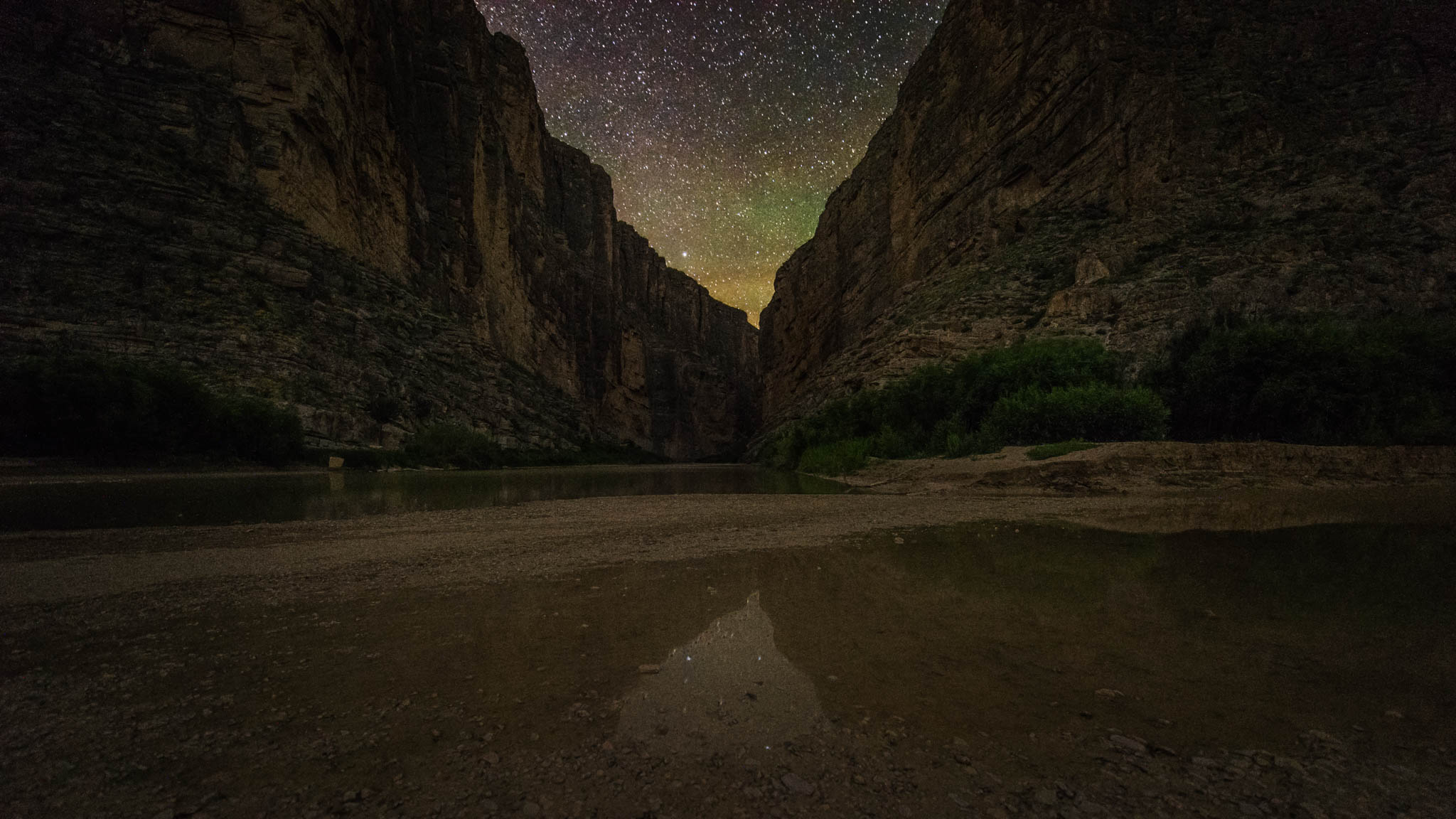
Big Bend National Park remains one of the best landscape photography destinations in Texas because of its dramatic combination of desert, mountains, river canyons, and dark skies. The park covers more than 800,000 acres in Far West Texas, giving photographers a wide range of subjects within one destination. The Lost Mine Trail is especially popular because it climbs through the Chisos Mountains and offers sweeping views of Casa Grande and Juniper Canyon. The trail is 4.8 miles round trip and gains about 1,100 feet, making sunrise shoots rewarding but physically demanding. The Window View Trail is one of Big Bend’s most accessible sunset locations, while Santa Elena Canyon offers towering limestone walls along the Rio Grande at the end of Ross Maxwell Scenic Drive. Conditions near Santa Elena can change quickly because visitors may need to cross the bed of Terlingua Creek before reaching the canyon trail, so photographers should check current park conditions before planning a shoot. For a completely different Texas landscape, Caddo Lake State Park in East Texas gives photographers moody bayou scenes filled with bald cypress trees, Spanish moss, reflections, and quiet paddling routes. The park is especially strong for sunrise photography when fog and still water can create layered, atmospheric compositions. In West Texas, McKittrick Canyon at Guadalupe Mountains National Park is one of the state’s most distinctive fall photography locations. The National Park Service notes that thousands of visitors come to the canyon each year, especially in late October and early November, when reds, yellows, and browns contrast with the surrounding Chihuahuan Desert.
Best Seasons and Times of Day for Texas Photography
View this post on Instagram
Spring and fall are often the most comfortable seasons for Texas landscape photography. Spring brings wildflowers across Central Texas and the Hill Country, including bluebonnets, Indian paintbrushes, and other native blooms. Peak bloom timing changes each year depending on rain and temperature, so photographers should avoid assuming the same dates will work every season. Fall is especially valuable in places like McKittrick Canyon, East Texas forests, and Hill Country river corridors, where cooler temperatures and softer light make outdoor shooting more comfortable. West Texas also becomes easier to photograph in fall and winter, when desert heat is less intense. Golden hour remains the most dependable time for dramatic landscape light. Sunrise usually works best for locations with fewer crowds and calmer wind, while sunset often brings stronger color across open desert and prairie horizons. Staying after sunset can also produce excellent blue-hour tones, especially for skylines, silhouettes, and long exposures.
Camera Gear for Texas Landscapes and Wildlife
A wide-angle lens is useful for desert vistas, canyon walls, wildflower fields, and big Texas skies. Lenses around 16mm to 24mm work well when you want to include foreground elements such as cactus, limestone, grasses, riverbeds, or wildflowers. A telephoto lens is just as important for Texas photography, especially when capturing wildlife or compressing distant mountain ridges. Lenses in the 70–200mm range work well for layered landscapes, while bird and wildlife photographers often benefit from longer lenses, such as 400mm or more. Extension tubes can be helpful for close-up photography of flowers, insects, textures, and small details, but they are not essential for most landscape or wildlife work. They also limit the ability to focus on distant subjects, so they are best treated as a specialized tool rather than a must-have item. A tripod is useful for sunrise, sunset, night skies, and low-light wildlife situations. For large telephoto lenses, a sturdy tripod or monopod can reduce fatigue and improve sharpness during long observation periods.
Photographing Texas Canyons and Desert Landscapes
View this post on Instagram
Texas canyons reward careful composition. At places like Santa Elena Canyon, Palo Duro Canyon, and Big Bend’s desert overlooks, foreground layers help create depth. Cactus, rock textures, dry washes, grasses, or river curves can guide the viewer’s eye into the scene. Wide-angle framing works well when the goal is to show scale, but it can make distant mountains look small. Telephoto lenses help isolate ridges, rock formations, and canyon layers, especially when haze or late-day light adds separation between the landscape features. For high-contrast canyon scenes, shooting in RAW gives more flexibility when editing bright skies and shadowed canyon walls. Bracketing exposures can also help preserve detail in both the sky and foreground when sunrise or sunset light creates extreme contrast.
Wildlife Photography in Texas Parks and Refuges
View this post on Instagram
Texas is one of the best states for wildlife photography because of its migratory bird routes, coastal wetlands, desert habitats, and subtropical South Texas species. Big Bend is home to hundreds of bird species, and the National Park Service describes the area as a place where many bird species take refuge in a mountain range surrounded by desert. For bird photography, coastal and wetland destinations such as Aransas National Wildlife Refuge, Brazos Bend State Park, Bentsen-Rio Grande Valley State Park, and Estero Llano Grande State Park are strong choices. Long lenses help photographers keep a respectful distance while still capturing detail. Water sources, marsh edges, feeders at birding centers, and shaded woodland edges often produce better wildlife activity during early morning and late afternoon. In summer, animals may be less active during the hottest part of the day, so patience and timing become especially important.
Big Bend Night Sky and Astrophotography Tips
View this post on Instagram
Big Bend is one of the strongest night-sky destinations in Texas. The Greater Big Bend region is recognized for its dark-sky protection efforts, and DarkSky International identifies Big Bend National Park and Big Bend Ranch State Park as International Dark Sky Parks within the larger reserve area. For Milky Way photography, photographers should plan around moon phases, cloud cover, and seasonal visibility. A wide-angle lens, tripod, remote shutter, and manual focus are essential. Foreground subjects such as desert plants, old ranch structures, balanced rocks, or canyon silhouettes can make night images more compelling. Because Big Bend is remote, photographers should also plan for long drives, limited cell service, and changing nighttime temperatures.
Safety and Preparation for Texas Outdoor Photography
Texas photography trips can become physically demanding, especially in desert and canyon regions. Heat, dehydration, flash flooding, rough roads, and limited services can all affect a shoot. Photographers visiting Big Bend, Guadalupe Mountains, Palo Duro Canyon, or other exposed landscapes should carry more water than they expect to need, wear sun protection, and avoid long hikes during peak afternoon heat. A wide-brim hat, sunscreen, sturdy shoes, and lightweight clothing can make long outdoor sessions safer and more comfortable. In East Texas and coastal wetlands, insect repellent, waterproof footwear, and dry bags for camera gear may be more important than desert gear. At Caddo Lake, photographers using kayaks or boats should protect equipment from water spray and keep gear secured while paddling.
Editing Texas Landscape and Wildlife Images
Post-processing should support the character of the scene without making the image feel unnatural. RAW files provide more flexibility for recovering shadow detail, balancing bright skies, and correcting color shifts caused by sunrise, sunset, or reflected light. For desert scenes, subtle contrast and clarity adjustments can emphasize rock texture and mountain layers. For Caddo Lake, gentle adjustments to mist, reflections, and shadow detail can preserve the soft atmosphere that makes the location special. Black-and-white conversion can work well for canyon walls, storm clouds, old ranch buildings, and strong desert textures. Color images often work best for wildflowers, fall foliage, sunsets, and bird photography where natural color is part of the subject’s appeal.
Conclusion
Texas landscape and wildlife photography rewards preparation, patience, and a willingness to work with the state’s varied environments. Big Bend offers desert mountains and dark skies, Caddo Lake provides moody cypress scenes, McKittrick Canyon brings rare West Texas fall color, and the Gulf Coast and Rio Grande Valley offer excellent bird photography opportunities. The strongest images often come from choosing the right season, arriving during soft light, respecting wildlife, and preparing carefully for Texas weather. Whether photographing canyon walls, wildflowers, birds, or night skies, Texas gives outdoor photographers a wide range of landscapes worth returning to again and again.