Texas Libraries and Museums with Rare Manuscripts You Can See on Display
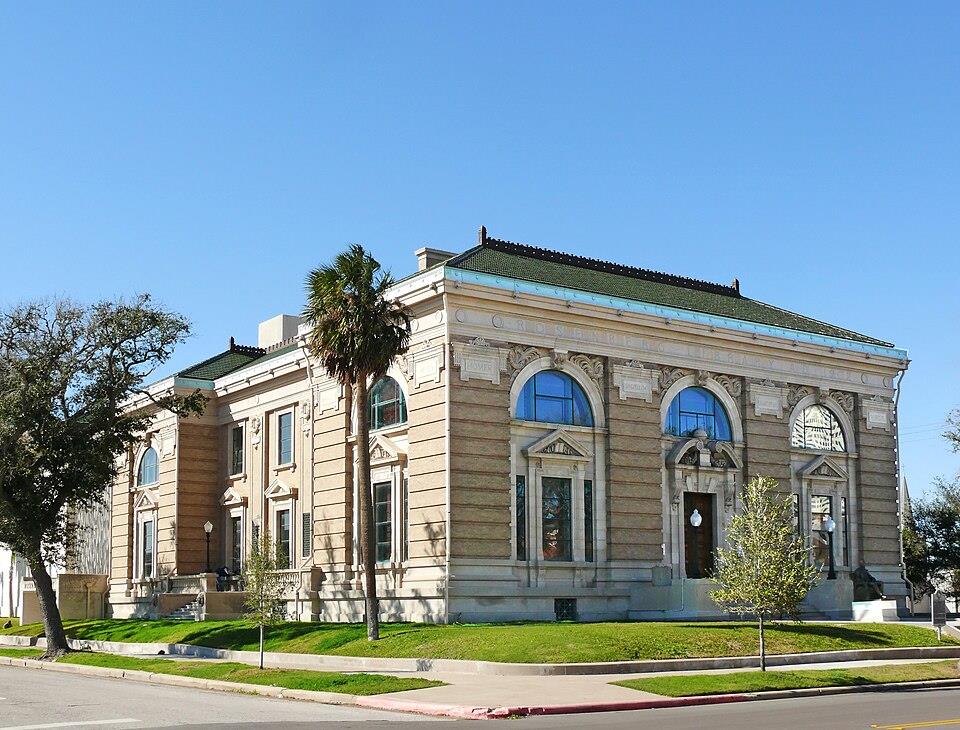
Texas offers incredible access to rare manuscripts through several prominent institutions. You'll find illuminated medieval and early printed materials through SMU's Bridwell Library collections, ancient tablets at Rosenberg Library in Galveston, and Victorian literary treasures at Baylor's Armstrong Browning Library.
The San Jacinto Museum preserves Texas Revolution-era research materials through its library collections, while UNT Special Collections maintains unique cultural records. Each location showcases distinctive historical artifacts that you won't see anywhere else. The stories behind these fragile treasures reveal fascinating chapters of human history.
Medieval Treasures at Southern Methodist University's Bridwell Library
Nestled within Southern Methodist University's campus, the Bridwell Library stands as a major center for theological research with treasures few Texans realize exist in their own backyard. Since 1950, this library has built renowned special collections, including rare books, Bibles, and a smaller group of medieval and Renaissance manuscripts.
You'll find exquisite illuminated items and manuscript materials that attract scholars of art and music history alike. The library's rare holdings and manuscript curation focus on theology, church history, and biblical studies, alongside related material culture from antiquity. Their preservation efforts protect rare fragments, including a 31-leaf consecutive section of the Gutenberg Bible that is held as a significant teaching and exhibition resource. The Elizabeth Perkins Prothro Galleries regularly host major exhibitions from these remarkable collections.
What makes Bridwell exceptional is its accessibility—many materials are supported through curated exhibits, research access, and guided use rather than being treated as unreachable objects. Instead, expert curators welcome students and researchers to experience firsthand these masterpieces of historical bookmaking.
Hidden Gems of University of North Texas Special Collections
While often overshadowed by larger institutions, the University of North Texas Special Collections houses an astonishing array of historical treasures that reward curious visitors. The repository provides public access to students, faculty, staff, and the general public, supporting research and discovery through onsite access and finding aids.
The Black Academy of Arts and Letters Records, spanning hundreds of boxes, highlight African and African-American cultural contributions. Unique artists' books function as interactive sculptures, challenging traditional book forms. Extensive oral history collections capture irreplaceable firsthand accounts of North Texas development. The Bell Helicopter Records document decades of regional industrial history and community impact.
The 2018 Archival Award of Excellence affirmed what researchers already know—UNT's Special Collections represents one of Texas's most valuable yet underappreciated documentary resources, especially for preservation and digitization initiatives.
Ancient Writing Systems at Rosenberg Library
Four millennia of human communication unfold before your eyes at Rosenberg Library's exhibit-style collection of ancient writing systems. You'll discover Babylonian cuneiform tablets from around 2350 B.C., Egyptian writing on papyrus, and carefully preserved examples that trace the evolution of written communication.
The collection, established through the library's long history in Galveston, features remarkable treasures including a Gutenberg-era printed page presented as part of the history-of-the-book story. The exhibit also showcases a diverse array of religious texts from various traditions. Preservation remains a priority as the library expands access to regional history through Galveston and Texas materials, including documents connected to the Republic era and the history of the 1900 storm.
Rosenberg Library's community engagement shines through its accessible displays, free admission, and educational programs. You can explore these artifacts during regular hours or access digitized materials online, connecting with writing traditions spanning civilizations from ancient Babylon to early Texas.
San Jacinto Museum's Remarkable Herzstein Library Collection
The San Jacinto Museum's Albert and Ethel Herzstein Library stands out as a remarkable trove of Texas history, housing extensive library and manuscript materials that bring the past to life. You'll find rare imprints and documents reflecting Spanish colonial governance, along with research materials that support deep study of Texas's colonial, revolutionary, and Republic-era periods.
The collection's highlights include:
- Nearly 160 linear feet of manuscripts spanning the 16th to 20th centuries
- Royal decrees and church-related documents illuminating Spain's influence in the Americas
- Missionary journals and correspondence revealing aspects of colonial religious life
- Texas Revolution research materials connected to the Battle of San Jacinto
The museum in La Porte emphasizes collecting and preserving materials with special focus on the Texas Revolution and the Battle of San Jacinto. Materials are non-circulating but accessible by appointment, supporting careful use and responsible handling of rare resources.
Literary Manuscripts at Baylor's Armstrong Browning Library
Nestled within Baylor University's campus, Armstrong Browning Library stands as a literary shrine housing one of the world's largest collections dedicated to Victorian poets Robert Browning and Elizabeth Barrett Browning. You'll discover more than 27,000 books and over 11,000 letters and manuscripts, forming a deep foundation for scholarship and public engagement.
The collection extends beyond the famous couple to include related Victorian and 19th-century materials that help contextualize the Brownings' world. Scholars value the periodicals, research resources, and curated exhibitions that connect literature to art, history, and cultural movements. The library also features an impressive assemblage of objects, fine art, and stained glass that makes the space feel like a museum as much as a research destination.
Don't miss the multimedia poetry interpretations through a collection of musical scores inspired by Browning poems. From rare first editions to annotated research materials, the library offers compelling insight into Victorian literary culture while regularly hosting lectures and exhibitions for public engagement.
Digital Access to Texas Manuscript Collections
While preserving invaluable historical artifacts remains crucial, Texas institutions have expanded manuscript access through digitization and online research tools. You'll find special online collections featuring everything from maritime lore and early Texas letters to civil rights documentation across multiple platforms.
Four major digital manuscript resources you can explore:
- Galveston & Texas History Center's digital collections, including notable correspondence and early Texas items tied to the Republic and Galveston history
- University-based digital repositories that publish local historical materials and curated manuscript scans for research use
- Texas Tech's Vietnam Center Archive with manuscripts and records covering military operations and antiwar movements
- Texas Woman's University collections highlighting women's contributions in military, aviation, education, and activism
Most platforms offer robust search capabilities, with scanning services available for non-digitized items upon request. When searching digital collections, visible thumbnails and item notes often indicate which materials are available for immediate online viewing.
Religious Manuscript Diversity Across Texas Institutions
From biblical texts to Spanish colonial church records, Texas institutions house an astonishing array of religious manuscripts spanning centuries and multiple traditions. You'll find Bridwell Library's exceptional theology and biblical studies collections alongside San Jacinto Museum's manuscript holdings that document religious and governmental influence in colonial Texas.
While Christian materials are strongly represented—featuring Bible leaves, sermon collections, missionary records, and denominational archives—Texas collections also preserve broader interfaith traditions through curated rare books and exhibit programming.
Regional ecclesiastical archives preserve congregational records and community histories, offering glimpses into Texas's evolving religious landscape. The collections illustrate how multiple faith communities shaped Texas's spiritual identity through carefully preserved textual traditions.
Related posts