Restoring Ancient Manuscripts: Ethical Dilemmas Explained

When restoring ancient manuscripts, you'll navigate tricky ethical waters. It's essential to balance preserving historical integrity with using modern restoration techniques. You'll want to protect the manuscript's authenticity while enhancing its legibility. Minimal intervention, like stabilizing and controlled environments, offers a cautious approach. Reversible materials are key, ensuring future improvements without compromising history. Don't forget the importance of cultural context, as your restoration choices affect associated communities. Respecting ownership rights and ensuring proper provenance are vital too. These decisions shape the very narrative of cultural heritage, and as you investigate further, you'll uncover the intricate balance required.
Balancing Preservation and Restoration
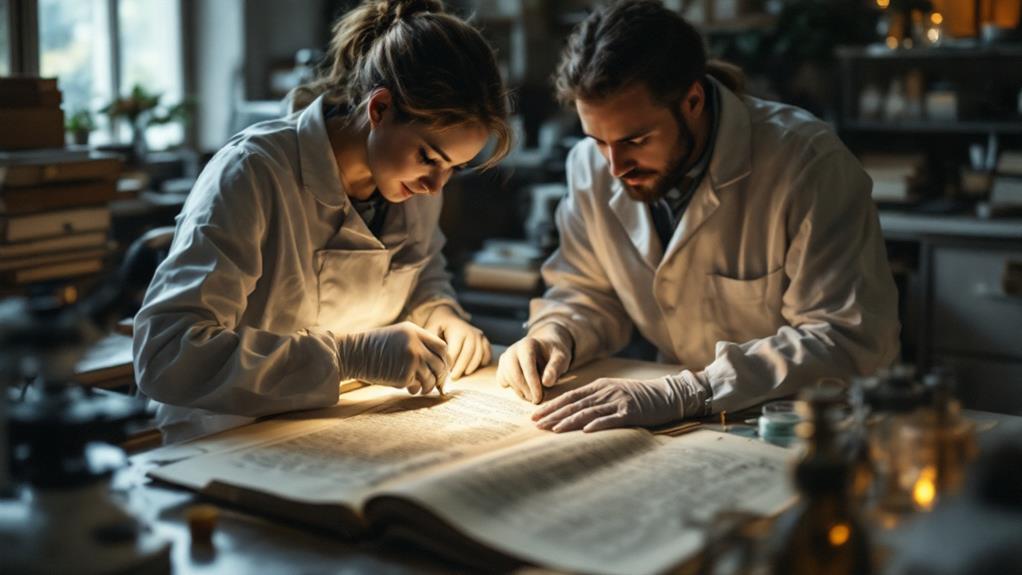
In regard to the delicate art of manuscript restoration, balancing preservation and restoration is a challenge that requires careful consideration. When you're handling ancient texts, it's essential to apply conservation techniques that protect the manuscript's integrity while also enhancing its legibility. You need to decide how much intervention is necessary without compromising the original material. This is where ethical considerations play a significant role. You must weigh the historical value against the potential risks of restoration.
To guarantee you're respecting the manuscript's authenticity, consider minimal intervention methods. These include stabilizing the paper or parchment and controlling the environment where the manuscript is stored. You might also use reversible materials so that any restoration can be undone if better techniques emerge in the future. Ethical considerations should guide you in deciding whether to prioritize the manuscript's current state or its usability for future generations.
Authenticity Versus Modern Techniques
While modern techniques offer incredible possibilities in manuscript restoration, they also pose a challenge to maintaining authenticity. As you investigate these advanced methods, you must balance the use of technology with the preservation of the original character of the manuscripts. Digital verification, for instance, can accurately evaluate a manuscript's condition, pinpointing areas needing restoration. But relying solely on digital means risks overshadowing the significance of traditional craftsmanship, which has been honed over centuries.
You might find yourself wondering if using modern techniques diminishes the authenticity of the manuscript. It's essential to keep in mind that traditional craftsmanship isn't just about the physical act of restoration; it encompasses an understanding of historical context and materials. While digital tools offer precision, they can't replicate the nuanced touch of a skilled artisan.
When you incorporate modern methods, consider how they complement, rather than replace, traditional approaches. This synergy allows for a restoration process that respects the manuscript's historical integrity while benefiting from technological advancements. By balancing these elements, you can guarantee that the restored manuscript remains as true to its original form as possible, preserving its authenticity for future generations.
Challenges in Material Selection
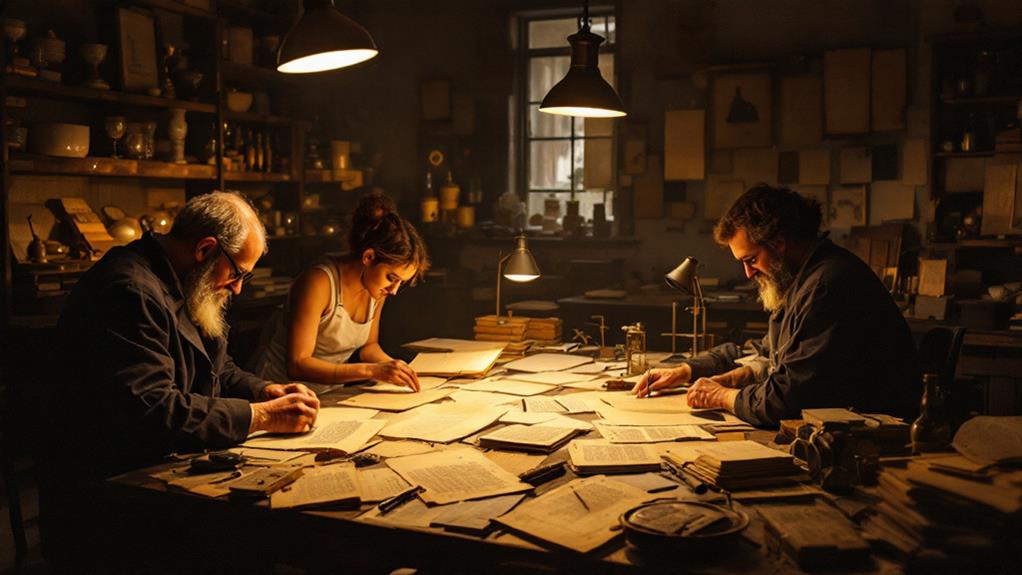
Selecting the right materials for manuscript restoration can be intimidating, especially when trying to balance historical accuracy with modern availability. You must consider the challenges of material durability and ethical sourcing while adhering to restoration ethics. With ancient manuscripts, using historical materials might be ideal, but modern alternatives often offer better longevity and resistance to environmental factors.
Here are three key considerations in material selection:
- Material Durability: Opt for materials that can withstand the test of time and environmental factors. Modern technological advancements have produced materials with superior durability, but you must weigh this against the authenticity of historical materials.
- Ethical Sourcing: Verify that the materials you choose are ethically sourced. This means confirming that the materials are obtained in a manner that respects cultural heritage and promotes conservation techniques.
- Conservation Techniques: Utilize modern conservation techniques while respecting historical methods. Balancing these techniques can improve the manuscript's longevity without sacrificing its authenticity.
The challenge is real, but by carefully considering these factors, you can make informed choices that honor both the past and present. It's about finding that sweet spot where history meets innovation.
The Role of Cultural Context
Understanding the cultural context of a manuscript is vital when restoring it. You need to approach the task with cultural sensitivity, recognizing the historical significance each manuscript holds. This isn't just about preserving paper and ink; it's about respecting the cultural heritage embedded within these texts. By acknowledging the manuscript's origins, you guarantee that its cultural narratives and values are honored.
Involving the community is important for effective restoration. Community involvement allows you to gain insights into local traditions that might influence the restoration process. These traditions can provide valuable guidance, making sure that the restoration aligns with the cultural values of the people connected to the manuscript. This collaboration fosters a sense of shared responsibility and respect for the manuscript's cultural significance.
Ethical stewardship in manuscript restoration requires balancing historical integrity with cultural sensitivity. You must consider how restoration decisions impact the cultural heritage of the community. Ethical stewardship means not imposing external values but rather working alongside those who hold the manuscript dear. By prioritizing cultural context, you're not just preserving a physical object; you're safeguarding the rich tapestry of stories and traditions that define its unique place in history.
Addressing Historical Inaccuracies
When restoring manuscripts, addressing historical inaccuracies is crucial to maintaining the document's authenticity. You must recognize that any alteration or misinterpretation can undermine the historical significance embedded within the text. Guaranteeing textual integrity means being vigilant about the content's accuracy, which requires a delicate balance between preserving original elements and correcting known errors. It's your responsibility to confirm that the manuscript reflects the true intentions and context of its time.
To effectively address these inaccuracies, consider the following steps:
- Research Thoroughly: Engage deeply in historical research to understand the context and common practices during the manuscript's creation. This perspective helps you identify any deviations or inconsistencies in the text.
- Consult Experts: Engage with historians and linguists who specialize in the period or language of the manuscript. Their expertise can provide critical insights into potential inaccuracies and guide your restoration efforts.
- Use Technology Wisely: Employ advanced technology, such as spectral imaging, to uncover hidden layers or erased sections that might clarify historical inaccuracies. This approach supports a more precise restoration process.
Ownership and Access Rights
Steering through the intricacies of ownership and access rights is essential in the domain of manuscript restoration. You've got to navigate provenance research to trace a manuscript's history, ensuring it's returned to its rightful owner or community. Legal frameworks come into play, dictating who has the legitimate claim. But it's not just about the law; ethical stewardship requires you to reflect on the cultural heritage the manuscript represents. Community engagement becomes significant, as local communities often hold a vested interest in these artifacts.
Digital access is another important piece of the puzzle. By making manuscripts available online, you open doors for scholarly collaboration and the public interest. This approach democratizes access, allowing a broader audience to appreciate and study these valuables. However, you must balance this with the concerns of those who claim ownership, ensuring that digital access doesn't undermine their rights or cultural significance.
Ultimately, you're tasked with weighing these factors, working to respect both the legal and ethical aspects of ownership, while also promoting the collective appreciation of our shared cultural heritage. It's a delicate dance that requires sensitivity, respect, and a commitment to transparency.
Future Implications of Restoration
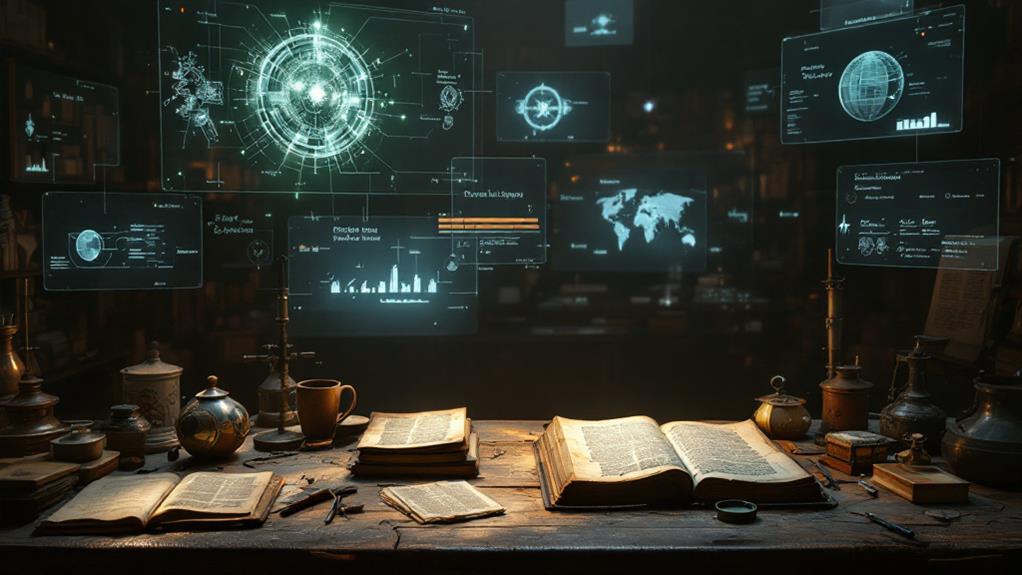
Anticipating the future implications of manuscript restoration involves considering how current practices will shape cultural heritage preservation. You're at a crossroads where digital preservation is transforming how we access and store ancient texts. This shift doesn't just mean having digital copies; it offers a chance to involve the public in unprecedented ways. With online access, people worldwide can investigate these valuables, fostering a deeper appreciation for history.
However, you'll face funding challenges. Resources are finite, and prioritizing projects for restoration requires careful consideration. Balancing technological advancements with traditional methods is key to ensuring authenticity and integrity. Conservation education becomes vital as you train future conservators to navigate these complexities.
Here are some considerations for the future:
- Digital Preservation: Adopt digital tools to create backups and improve accessibility, ensuring that manuscripts are protected from physical deterioration.
- Public Engagement: Utilize digital platforms to involve a broader audience, sparking interest and support for preservation efforts.
- Collaborative Projects: Work with international partners to share resources and expertise, addressing funding challenges and advancing conservation education together.
Related posts