
Methods for Preserving Folios: From Bookbinding to Storage

To preserve your folios, start by selecting acid-free paper and archival adhesives during bookbinding to guarantee durability. Maintain environmental conditions with 30% to 50% humidity and temperatures between 60°F and 70°F. Use folio sleeves and archival boxes for protection against dust and damage, and label them for easy access. Handle folios with clean hands or cotton gloves, supporting them with both hands. When moving them, opt for sturdy carriers with cushioning. Consider digitizing folios using high-resolution scanning and save them in TIFF or PDF/A formats for secure archiving. There's more to investigate to protect your valuable collections.
The Art of Bookbinding
How does the careful craft of bookbinding transform mere pages into lasting valuables? You'll find that the answer lies in a harmonious blend of historical techniques and modern innovations. In ancient times, artisans painstakingly stitched pages together using methods that have stood the test of time. These historical techniques, such as sewing signatures and using wooden boards, laid the foundation for today's practices. As you investigate these ancient methods, you'll appreciate the intricate care involved in maintaining the book's structure and durability.
In the present day, modern innovations have raised bookbinding into an art form that marries tradition with technology. You're no longer limited to sewing by hand; machines can now assist in creating perfectly aligned spines and covers. Techniques such as perfect binding and saddle stitching have been developed to cater to different types of books, offering both strength and flexibility. Additionally, contemporary adhesives and materials have improved the bookbinding process, ensuring that your cherished volumes withstand the test of time. By embracing both historical techniques and modern innovations, you can transform simple pages into books that are not just read, but cherished for generations.
Selecting Quality Materials
When initiating the expedition of bookbinding, selecting quality materials is fundamental for guaranteeing the longevity and aesthetic appeal of your work. The primary step is choosing acid free paper. Acid free paper prevents deterioration caused by acidic compounds that can lead to discoloration and brittleness over time. This type of paper guarantees your folios will maintain their integrity and remain lively for generations.
Next, consider the adhesives you'll use. Archival adhesives are vital for bookbinding because they don't discolor or damage the materials they're adhering. These adhesives are designed to provide a strong bond while being gentle on the pages. They resist the test of time, guaranteeing your folios stay intact without the risk of yellowing or weakening.
When selecting materials, focus on their durability and compatibility. Look for suppliers specializing in archival-quality products, as they'll offer materials specifically designed for preservation. Investing in high-quality materials might seem more costly initially, but it's a worthy investment for the protection and preservation of your work.
Environmental Controls
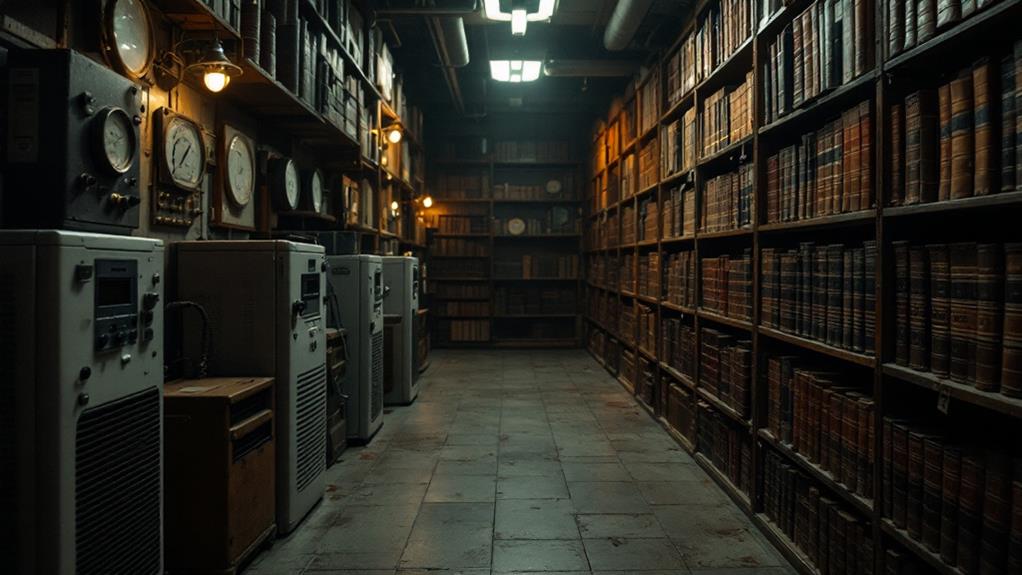
To preserve your folios effectively, maintaining proper environmental controls is vital. Start by ensuring humidity control in your storage area. Excessive moisture can lead to mold growth and paper deterioration, while too little can cause brittleness and cracking. Aim for a relative humidity level between 30% and 50%. You can use a hygrometer to monitor humidity levels regularly. If adjustments are needed, consider using a dehumidifier to remove excess moisture or a humidifier to add it.
Temperature stability is another important factor in folio preservation. Fluctuating temperatures can cause paper to expand and contract, leading to warping or other damage. Try to maintain a consistent temperature between 60°F and 70°F. Avoid placing your folios near heat sources like radiators or in direct sunlight, as these can cause unpredictable temperature changes.
Additionally, pay attention to air circulation. Good airflow helps prevent stagnant air pockets that can trap moisture and promote mold growth. Use fans or air conditioning units to maintain circulation without creating drafts that could disturb your folios. By managing these environmental factors, you can greatly extend the lifespan of your cherished collection.
Protective Enclosures
Beyond maintaining ideal environmental conditions, safeguarding your folios with protective enclosures is likewise significant. These enclosures guarantee that your valued documents remain free from dust, light, and physical damage. Here's how you can effectively use protective enclosures:
- Folio Sleeves: Invest in high-quality folio sleeves. These transparent covers protect individual pages while allowing you to view them without unnecessary handling. Opt for sleeves made from acid-free materials to prevent chemical degradation over time.
- Archival Boxes: Store your folios in archival boxes, which are designed specifically for long-term storage. These boxes offer robust protection against external elements, such as light and fluctuations in temperature and humidity. Choose boxes that fit your folios snugly to prevent movement and potential damage.
- Custom Enclosures: Consider custom enclosures if your folios have unique dimensions or require extra protection. Custom solutions guarantee that all parts of your folios, even those with unusual shapes, receive prime safeguarding.
- Labeling: Clearly label each enclosure to make retrieval straightforward and reduce unnecessary handling. This practice helps maintain the integrity of your folios while keeping your collection organized.
Handling and Transportation
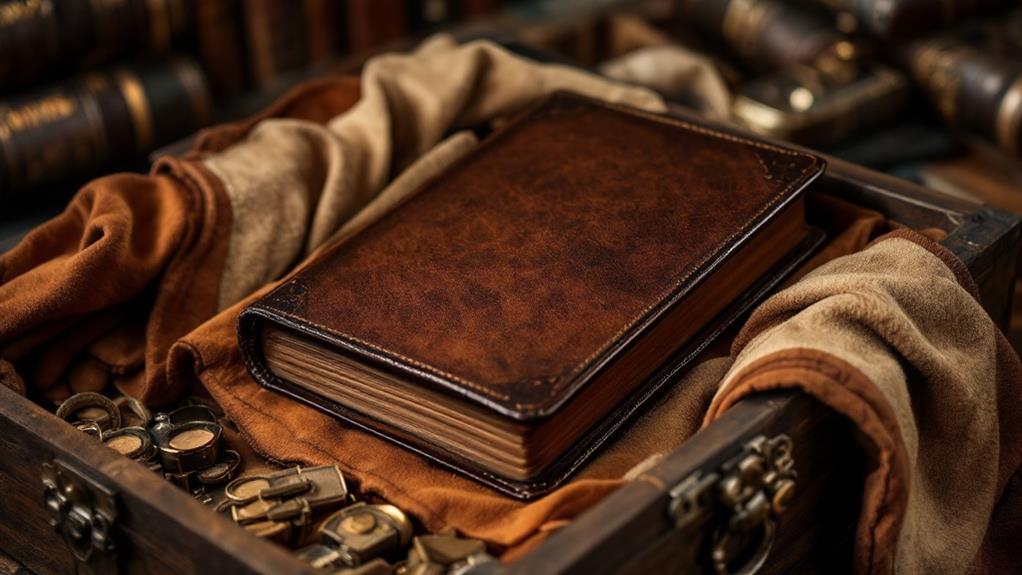
Transporting and handling your folios demands both care and attention. To guarantee their longevity, you must adhere to specific handling protocols. Always wash and dry your hands before touching any folio to prevent transferring oils or dirt. Consider wearing cotton gloves for extra protection. When lifting, support the folio with both hands to avoid bending or creasing pages. If you're flipping through pages, do so gently, turning from the edges to minimize stress on the spine.
Now, let's talk about transport techniques. When moving folios from one location to another, use a sturdy, flat carrier. Opt for containers that offer cushioning and prevent movement during transit. It's vital to keep folios upright, as lying them flat can cause pressure points and damage. If you're using a vehicle, secure the carrier to avoid sudden shifts. Avoid stacking other items on top of the folio to prevent any undue pressure.
Additionally, be mindful of environmental conditions. Avoid exposing folios to extreme temperatures or humidity, as these can accelerate deterioration. By integrating these handling protocols and transport techniques, you'll guarantee your folios remain in peak condition during transit.
Digital Preservation Techniques
In relation to preserving folios digitally, you've got to start with high-quality imaging. Scanning each page carefully guarantees you capture every detail, color, and texture. Once you've got that covered, it's time to think about how these images will be stored and accessed. Digital archiving is your next step. A well-organized digital archive guarantees that your images are not only saved but are also easily retrievable for future reference.
To make digital preservation effective, follow these steps:
- High-Resolution Scanning: Use a scanner capable of capturing high-resolution images. This will guarantee the digital copies replicate the folio's original quality as closely as possible.
- File Format Selection: Choose the right file formats for long-term preservation. TIFF and PDF/A are popular choices due to their stability and wide acceptance.
- Metadata Management: Don't skip on metadata. Proper metadata management is vital for cataloging and retrieving digital files. Include details like the folio's origin, date, and condition.
- Secure Storage Solutions: Invest in reliable storage solutions like cloud storage or external hard drives to protect against data loss.
Related posts