How Technology Is Helping to Conserve Historic Folios
You're seeing technology transforming the conservation of historic folios. High-resolution imaging captures intricate details, preserving them digitally without any damage. Advanced 3D scanning lets you investigate documents virtually, reducing the need for physical handling. These technologies make global access and scholarly collaboration straightforward. Digitizing these artifacts guards against physical degradation, while sophisticated restoration methods use non-invasive techniques to stabilize these documents. Sharing and investigating are easier than ever through digital platforms, offering interactive experiences and broadening appreciation. This tech-driven innovation not only secures the past but also invites you to delve into new horizons in document preservation and engagement.
High-Resolution Imaging Techniques
High-resolution imaging techniques are transforming the way we conserve historic folios. You can now investigate these precious documents without physically handling them, reducing the risk of damage. With digital preservation, you're able to access and study these works online, preserving them for future generations. Imaging innovations have made it possible to capture even the most minute details of a folio, revealing text and illustrations that may have faded over time.
Using advanced cameras and lighting techniques, you can achieve resolutions that capture every texture and color of the original material. These images are then stored digitally, creating a permanent record that researchers and historians worldwide can access. You'll find that digital preservation not only safeguards the physical folios but also makes them more accessible to a broader audience.
Moreover, imaging innovations allow you to conduct detailed analyses of the folios. You can examine elements like ink composition and paper quality without any invasive procedures. This non-destructive approach guarantees that the integrity of the original document is maintained. By adopting these cutting-edge techniques, you're playing an essential role in the preservation and appreciation of our cultural heritage.
Advanced 3D Scanning Methods
Building on the innovations in imaging, advanced 3D scanning methods offer another layer of preservation and study for historic folios. By using laser scanning, you can capture the precise dimensions and details of a folio with incredible accuracy. This technology allows you to create a digital replica that's not just a flat image but a full 3D model. This means you can examine every bump, fold, and texture without physically handling the fragile original, reducing the risk of damage.
Imagine stepping into a virtual reality environment where you can interact with historic folios as if they were right in front of you. Advanced 3D scanning makes this possible. You can manipulate the folio, turn pages, and even zoom in on intricate details without ever touching the actual document. This engaging experience not only aids in preservation but also improves educational opportunities, allowing scholars and the public to investigate these valuables in ways previously unimaginable.
Digital Archiving Solutions
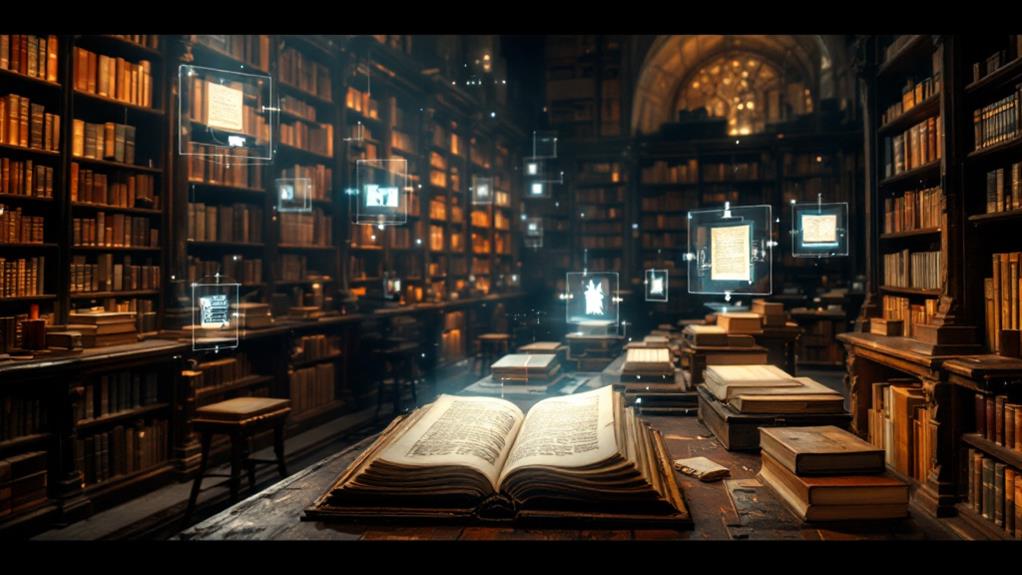
In relation to preserving historic folios, digital archiving solutions play a vital role in guaranteeing these jewels are accessible for generations to come. By digitizing these valuable documents, you help protect them from physical degradation while also making them available to a wider audience. One significant aspect of digital archiving is adhering to metadata standards. This guarantees that each folio's digital version is cataloged accurately, making it easier to search, retrieve, and study. Consistent metadata standards allow researchers and historians worldwide to access the information they need without digging through physical archives.
Cloud storage offers a secure and reliable way to store these digital copies. By using cloud storage, you make sure that the digital versions of historic folios are safe from physical threats like fires or floods that could destroy original documents. Plus, cloud storage allows for easy sharing and collaboration, letting you and other interested parties access the information from anywhere. With digital archiving solutions, you're not just preserving history; you're making it more accessible, fostering a global appreciation and understanding of these valued documents. So, by embracing these technologies, you're playing a vital part in the conservation of our shared heritage.
Sophisticated Restoration Technologies
In relation to conserving historic folios, sophisticated restoration technologies have transformed preservation efforts. You can now utilize advanced methods to guarantee these invaluable documents withstand the test of time. One significant aspect is chemical analysis, which allows you to understand the composition of inks, pigments, and paper. By identifying the materials and their respective aging processes, you can tailor restoration approaches that prevent further deterioration.
Material preservation has also seen significant advancements. Modern techniques let you use non-invasive methods to stabilize fragile documents without altering their original state. Nanotechnology, for example, can be employed to reinforce weakened paper fibers, guaranteeing the folios maintain their integrity. You can even apply specialized gels that clean and remove harmful residues without causing damage.
Additionally, climate control technologies play an essential role in material preservation. They guarantee that historic folios are kept in ideal conditions, preventing degradation from environmental factors like humidity or temperature fluctuations. Implementing these sophisticated technologies, you can safeguard these cultural valuables for future generations. Remember, each step you take in utilizing these groundbreaking tools helps extend the life and accessibility of historic folios, preserving their stories for years to come.
Enhancing Accessibility and Sharing
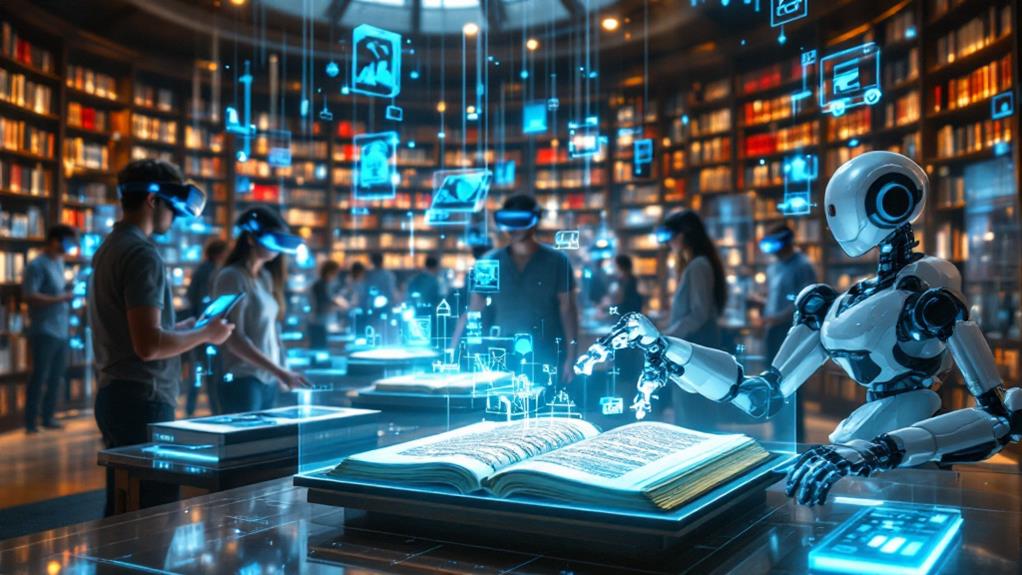
As technology evolves, it dramatically improves the accessibility and sharing of historic folios. You can now investigate collections from around the world without leaving your home. Digital repositories are at the forefront of this transformation, offering you a virtual space where these precious documents are stored and accessed. Libraries and museums digitize their collections, enabling you to search through vast archives with just a few clicks. This convenience allows for greater engagement with historical texts, broadening your understanding and appreciation of the past.
Online exhibitions also play an essential role in making these folios more accessible. You can virtually "walk" through an exhibition, viewing high-quality images of folios along with detailed descriptions and expert commentary. This engaging experience brings history to life, making it possible for you to interact with historic documents in ways that were previously unimaginable. Furthermore, these platforms encourage collaboration and knowledge sharing among scholars, educators, and history enthusiasts worldwide.
Future Trends in Folio Conservation
While technology has made historic folios more accessible and shareable, it's also paving the way for groundbreaking conservation methods. You're about to see a future where sustainable materials become the norm in preserving these invaluable documents. Innovations in biodegradable and recyclable materials will replace traditional, sometimes harmful, conservation products. This shift not only protects the folios but also guarantees that the conservation process itself doesn't harm the environment. Imagine using materials that are as enduring as the documents they protect, yet gentle on the planet.
In addition to sustainable materials, educational outreach will play a crucial role in future trends. You'll find more online platforms and interactive tools designed to educate the public about folio conservation. These resources will increase awareness and appreciation for historical documents, fostering a new generation of conservation enthusiasts. You'll be able to engage with virtual workshops and courses that teach you how to care for these treasures.
Related posts