Exploring the Masterpieces of Manuscript History: Book of Kells, Codex Gigas, and Gutenberg Bible

You're about to investigate three extraordinary manuscripts that illuminate history's pages. The Book of Kells, crafted by Celtic monks in the 9th century, dazzles with intricate designs and lively colors, embodying medieval Irish artistry and spirituality. The mysterious Codex Gigas combines biblical texts with medieval knowledge, famous for its haunting depiction of the devil. It's known as the "Cursed Manuscript" due to the legends surrounding it. The Gutenberg Bible transformed bookmaking in the 15th century, marking the start of mass production and broad cultural transformations. Uncover how these works continue to influence art, literature, and historical perceptions today.
The Artistry of the Book of Kells
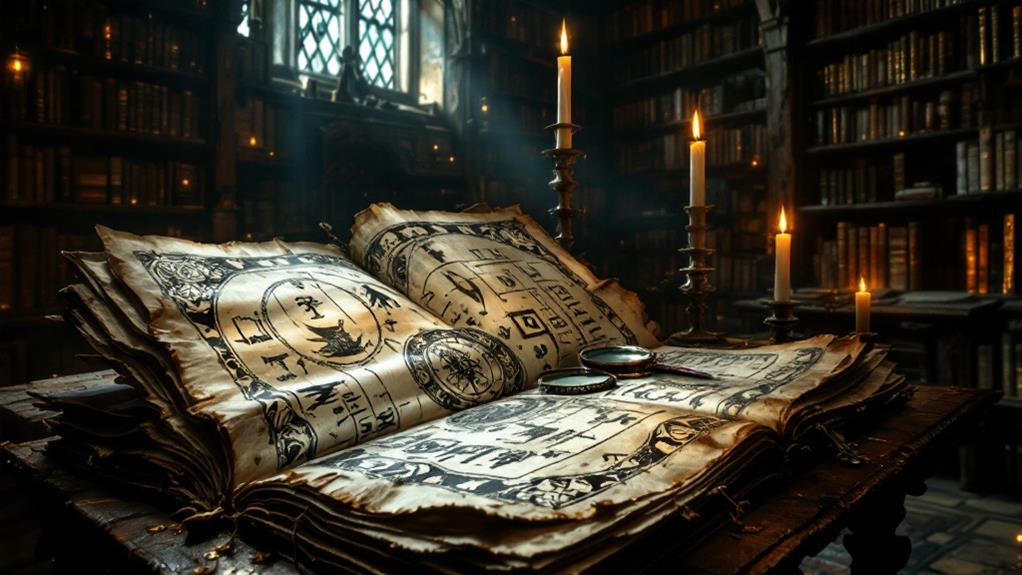
When you initially encounter the Book of Kells, it's almost impossible not to be mesmerized by its dazzling artistry. This illuminated manuscript, an exquisite example of medieval craftsmanship, draws you in with its intricate designs and lively colors. Created by Celtic monks around the 9th century, the Book of Kells is a masterpiece that showcases the careful skill involved in its creation. Each page is a witness to the painstaking effort required to blend artistry and devotion, with elaborate illustrations intricately woven into the script.
As you investigate the pages, you realize the cultural significance of the Book of Kells extends beyond its visual splendor. It's a window into the religious and artistic life of early medieval Ireland, reflecting a synthesis of Christian iconography and Irish motifs. The manuscript not only served a liturgical function but also stood as a symbol of the intellectual and spiritual life of its time. It's a remarkable artifact that has transcended centuries, offering insights into the beliefs and values of the past. By appreciating its beauty, you gain a deeper understanding of the historical context in which it was created.
Mysteries of the Codex Gigas
While the Book of Kells captivates with its vivid artistry, the Codex Gigas intrigues with its enigmatic nature. Known as the "Cursed Manuscript," this massive tome draws you into a domain shrouded in mystery. Legend has it that a monk, facing severe punishment, created this colossal work in a single night with the devil's help. Its Mysterious Origins have fascinated scholars and curious minds alike.
As you investigate the Codex Gigas, you'll uncover its Illuminated Pages, adorned with intricate artwork and lively colors. The most famous of these is the haunting depiction of the devil himself, adding a layer of intrigue to the manuscript's lore. This image has fueled the belief that the Codex carries a curse, leading to its ominous reputation.
The manuscript also contains Hidden Texts that seem to blend biblical content with medical knowledge and historical chronicles, offering a unique insight into medieval thought. Each page reveals more secrets, inviting you to unravel its mysteries.
Consider these fascinating aspects:
- The Codex Gigas weighs over 165 pounds.
- It contains the entire Latin Vulgate Bible.
- It features a detailed calendar and magical formulas.
- The manuscript measures nearly 36 inches in length.
Engaging with the Codex Gigas feels like stepping into a sphere where history and legend intertwine.
Impact of the Gutenberg Bible

The Gutenberg Bible, often hailed as one of the greatest inventions of the medieval period, transformed the way we consume written knowledge. Before its creation, books were painstakingly handwritten, making them rare and expensive. With the Gutenberg Bible, you witness the dawn of the printing revolution, a crucial shift that made mass production of books possible. This innovation didn't just change how books were made; it dramatically increased text accessibility, allowing more people to engage with literature and scholarly work than ever before.
Imagine a world where owning a book was a luxury, out of reach for most. The printing revolution led by the Gutenberg Bible changed that landscape entirely. Suddenly, texts that were once exclusive to monasteries and the elite became available to the general public. You could hold the same words in your hands as the scholars of the time, bridging a significant gap in knowledge dissemination.
Historical Context and Creation
In the midst of the 15th century, Europe stood on the brink of a cultural and technological transformation. The careful work of medieval scribes had long been the backbone of knowledge preservation, as they painstakingly copied texts by hand. These manuscripts, often created in monasteries, were essential for preserving religious, historical, and philosophical texts. As a scribe, you'd dedicate your life to ensuring each letter was perfectly formed, contributing to the manuscript preservation that safeguarded centuries of human thought.
Imagine the creation of the Book of Kells, where you'd see Celtic artistry intertwined with Latin text, crafted in the remote settings of Irish monasteries. Meanwhile, the Codex Gigas, known as the "Devil's Bible," emerged from a Bohemian monastery, showcasing a single scribe's dedication to creating the world's largest medieval manuscript.
Then came the Gutenberg Bible, which marked a revolutionary shift, introducing the printing press to Europe. This innovation began a new age of mass production and accessibility of books. Consider these elements that shaped the historical context:
- Monastic dedication in manuscript creation
- Artistic integration in religious texts
- Technological advancements with printing
- Cultural shifts towards widespread literacy
Legacy and Influence
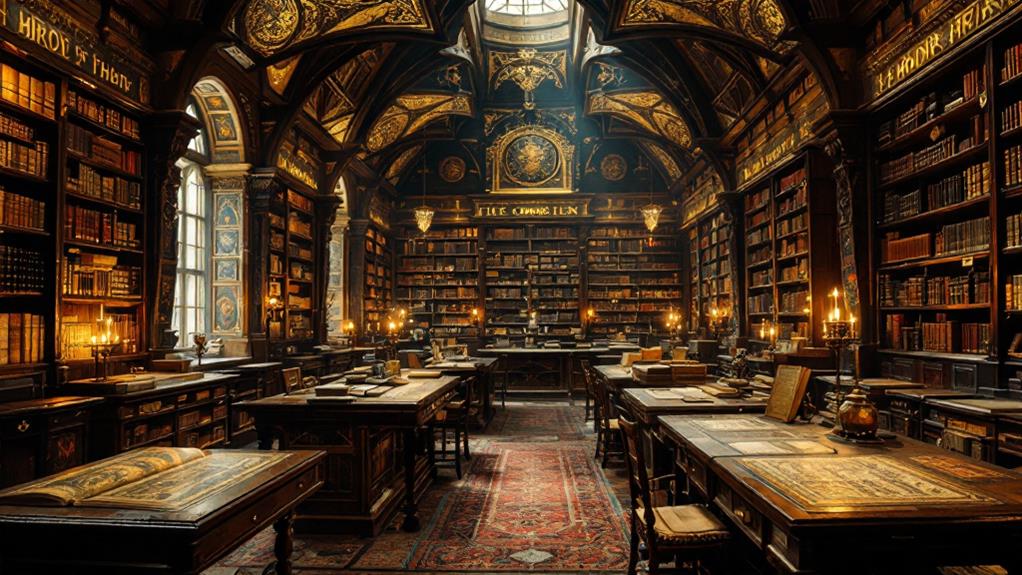
Even as the printing press transformed the landscape of book production, the legacy of manuscript culture endures today. You can see the cultural significance of works like the Book of Kells, Codex Gigas, and the Gutenberg Bible in how they continue to inspire awe and admiration. Each manuscript represents a pinnacle of human creativity and dedication, showcasing the artistic and intellectual achievements of their times. Their intricate designs and elaborate details capture the essence of a bygone age, offering a tangible connection to history.
Preservation efforts play a vital role in maintaining these masterpieces for future generations. Libraries, museums, and institutions worldwide invest in advanced technologies and conservation techniques to protect these fragile documents. By doing so, they guarantee that you and others can appreciate the rich tapestries of knowledge and artistry embedded within each page.
The influence of these manuscripts extends beyond their historical and aesthetic value. They've shaped modern perceptions of art, literature, and religious thought, demonstrating the timeless nature of their messages. As a result, they continue to inspire scholars, artists, and enthusiasts alike, reminding you of the enduring power of human expression and cultural heritage.
Related posts