
Digital Archives: Making Historical Folios Available to Scholars Worldwide
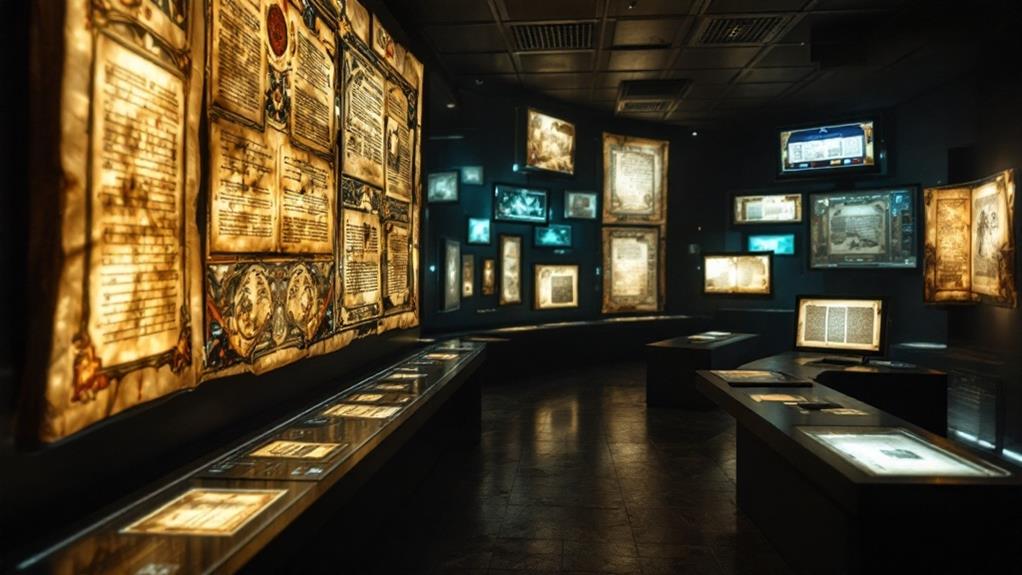
Digital archives are transforming how you access historical folios, offering you resources from anywhere in the world. By digitizing collections, archives improve accessibility and efficiency, allowing researchers to find and analyze vast amounts of information quickly. Advanced search tools and metadata standards make locating documents easier than ever. You can collaborate with scholars globally without the expenses of travel, all while preserving cultural heritage. Despite challenges like copyright and funding, ongoing technological innovations guarantee sustained access and collaboration. As you investigate further, you'll reveal the profound impact of digital archives on global research and knowledge sharing.
Evolution of Digital Archives
Digital archives have come a long way from their humble beginnings, transforming how we store and access information. You've witnessed this evolution firsthand as traditional methods of preserving documents have shifted dramatically. At the outset, data storage was cumbersome and unreliable, but today's digital archives offer robust solutions that guarantee the longevity and accessibility of records.
One of the key changes you've observed is the development of metadata standards. These standards are essential because they help you catalog and retrieve information effectively. By using consistent metadata, you can easily search and find documents, which makes digital archives far superior to their analog predecessors.
Another significant advancement is in preservation techniques. Early digital storage methods were prone to deterioration, but modern techniques, like regular data migration and the use of redundant storage systems, have drastically improved. These advancements mean you no longer have to worry about losing precious data due to technological obsolescence or physical decay.
Key Benefits for Researchers
With the evolution of digital archives firmly established, you can now investigate the remarkable advantages these systems offer to researchers. Digital archives notably improve data accessibility, allowing you to access historical documents from anywhere in the world without being bound by geographical constraints. No longer do you need to travel cross-country or internationally to examine original sources; a few clicks can bring centuries-old documents to your screen.
Additionally, these archives promote seamless research collaboration. You can easily share digital documents with colleagues, fostering joint research projects and enabling more dynamic discussions. This collaborative environment helps generate creative ideas and leads to more thorough studies.
Here are some key benefits for researchers:
- Instant Access: Access a vast array of documents anytime, reducing time spent on logistics and increasing productivity.
- Improved Collaboration: Share and discuss documents with peers globally, breaking down barriers to collaborative efforts.
- Cost-Effectiveness: Save on travel and accommodation expenses by accessing resources online.
- Search Efficiency: Use advanced search tools to quickly locate relevant information, making the research process more efficient and complete.
These benefits collectively transform how you conduct research, making it more efficient and collaborative.
Challenges in Digitization

Steering the landscape of digitization presents several challenges that researchers and institutions must address. Initially, data preservation is vital; digital files can degrade over time, so you must secure robust storage solutions that maintain integrity. Copyright issues also pose significant hurdles. When digitizing works, you've got to navigate complex legal frameworks to avoid infringing on intellectual property rights.
Funding constraints often limit the scope of digitization projects. Without adequate financial support, you can't invest in the necessary technology or skilled personnel to handle large-scale digitization efforts effectively. This can slow down progress and reduce the number of available digital archives.
Metadata standards are another important factor. You need consistent and all-encompassing metadata to make digital archives searchable and meaningful. Inconsistent metadata can lead to confusion and diminish the usability of archives.
User accessibility is a priority, too. Archives should be easily accessible to everyone, including those with disabilities. However, achieving this level of accessibility can be technically challenging.
Lastly, quality control is fundamental. Ascertaining that digital reproductions accurately reflect the original materials requires careful oversight. Any errors in this process can undermine the credibility and usefulness of the digital archive.
Notable Digital Collections
Among the most inspiring resources for scholars are notable digital collections that offer unprecedented access to vast repositories of knowledge. These collections not only serve as a bridge to the past but also promote global collaboration. By sharing resources across borders, researchers can work together, uncovering historical insights that were once hidden away in remote archives. Digital collections use advanced preservation techniques to guarantee that fragile documents remain intact for future generations.
Here are four notable digital collections you should investigate:
- Europeana: This platform gathers millions of books, paintings, films, museum objects, and archival records from across Europe, making them available online. It's a demonstration of the power of global collaboration, bringing together cultural heritage institutions from many countries.
- Digital Public Library of America (DPLA): By partnering with libraries, museums, and archives across the United States, the DPLA offers a vast digital repository that provides free access to a wealth of American history.
- World Digital Library: A UNESCO initiative, this collection showcases cultural gems from around the globe, employing cutting-edge preservation techniques to maintain documents' authenticity and integrity.
- British Library's Digital Collections: Renowned for its breadth, it digitizes rare manuscripts and prints, guaranteeing accessibility to scholars worldwide.
These collections are key to expanding knowledge and fostering global scholarly exchanges.
Technology Driving Access

Technological advancements are transforming how scholars access and interact with information. With the rise of digital archives, you can investigate historical folios from anywhere in the world. Cloud storage plays a significant role in this transformation, providing a platform where vast amounts of data can be securely stored and accessed remotely. By using cloud storage, institutions guarantee that their valuable collections are not only preserved but also readily available to you at any time.
In addition to storage, metadata standards are essential in driving access to digital archives. Metadata acts like a roadmap, guiding you through the vast landscape of information. When archives adhere to established metadata standards, they become easier to navigate, allowing you to find the exact documents or data you need efficiently. This consistency across digital collections means you can seamlessly search through different archives without needing to learn new systems for each one.
Future of Historical Research
What lies ahead for historical research in this technological age? You're about to witness a transformation driven by digital advancements. The future promises an exciting domain where open access to archives becomes the norm, enabling researchers like you to investigate documents without barriers. Here's what you can expect:
- Open Access: Imagine accessing a world of historical data from your device. This shift improves data accessibility, letting you conduct thorough investigations without geographical constraints.
- Research Collaboration: Digital platforms will enable unprecedented collaboration. Scholars from different corners of the world can work together, share insights, and contribute to a collective understanding of history.
- Digital Preservation: With advanced technology, preserving historical documents for future generations becomes more effective. You can guarantee these valuables are safeguarded against time's wear and tear.
- Global Outreach: As digital archives expand, user engagement and global outreach increase. You'll connect with diverse voices and perspectives, enriching your research with varied cultural contexts.
Related posts