Best Photography Spots and Photo Walks in the DFW Metroplex
The Dallas-Fort Worth metroplex offers an impressive range of photography spots and walkable routes, from Deep Ellum’s vibrant street art to peaceful gardens and skyline overlooks. You can capture bold murals along Elm and Main Streets, frame reflections at the Fort Worth Japanese Garden’s Moon Bridge, or shoot wide skyline views at White Rock Lake. Natural areas like Arbor Hills Nature Preserve and Tandy Hills Natural Area provide strong options for golden hour landscapes, while seasonal destinations such as the Ennis Bluebonnet Trails peak in early to mid-April. With a mix of urban, natural, and cultural locations, DFW delivers diverse photo opportunities for every style.
DFW Urban Photography: Deep Ellum Murals and Downtown Architecture
View this post on Instagram
Deep Ellum remains one of the most recognizable street photography districts in Texas, with murals concentrated along Elm Street, Main Street, and Commerce Street. The neighborhood functions as an open-air gallery, featuring work from both local and international artists. Popular photo spots include the “I Love You” mural on Elm Street and the “Welcome to Dallas” mural near 2901 Commerce Street, both frequently used for portraits and social media photography. Photographers can walk a loop starting near Good Latimer Expressway, heading east through Deep Ellum and looping back along Commerce for varied angles and lighting. Downtown Dallas adds additional architectural interest, including large-scale works like The Storm mural at the 717 Leonard parking structure and modern urban textures throughout the West End. These areas combine historic buildings, glass towers, and public art, making them ideal for city-focused photo walks.
Best DFW Parks for Golden Hour and Natural Light Photography
View this post on Instagram
DFW’s park system provides excellent locations for natural light photography, especially during golden hour and early morning. Arbor Hills Nature Preserve in Plano offers open fields, trails, and small bridges that catch warm light in the evening. Prairie Creek Park in Richardson is known for its waterfall and shaded trails, which create soft, diffused lighting conditions in the morning. Tandy Hills Natural Area in Fort Worth provides unobstructed skyline views across open prairie, making it one of the best spots for sunset photography. White Rock Lake delivers year-round flexibility, with shoreline access, wooded paths, and skyline backdrops. These parks are especially effective for photographers looking for consistent lighting, open space, and seasonal variation.
Where to Shoot Water Features: Lakes, Canals, and Urban Landscapes
View this post on Instagram
Water features add movement and reflection to compositions, making them essential for a well-rounded DFW photography guide. White Rock Lake remains one of the top locations for combining water, skyline, and recreational activity in a single frame. The Fort Worth Water Gardens at 1502 Commerce Street feature dramatic architectural pools, including cascading water walls and quiet reflection areas. The Canals at Las Colinas in Irving provide a European-style setting with walkways, bridges, and controlled water features ideal for portraits. Additional locations include:
- Grapevine Lake (Murrell Park): Open shoreline views and trails
- Lakeside Park (Highland Park): Creek, stone bridges, and shaded paths
- Winfrey Point (White Rock Lake): Elevated views with skyline alignment
These spots work well for both landscape and portrait photography, especially during calm weather conditions.
Japanese Gardens and Nature Reserves for Landscape Photography
View this post on Instagram
The Fort Worth Japanese Garden, located within the Fort Worth Botanic Garden, offers one of the most refined settings for landscape photography in North Texas. Spanning over 7 acres, the garden features koi ponds, winding paths, stone lanterns, and seasonal plantings. The Moon Bridge is a standout focal point, especially when reflections align during calm water conditions. Seasonal highlights include spring blooms, summer greenery, and fall foliage, while bamboo groves and rock gardens provide year-round composition opportunities. Elevated walkways and viewing points allow for varied framing, making it a strong destination for both wide landscape shots and detailed compositions.
When to Photograph DFW Bluebonnets and Seasonal Wildflowers
View this post on Instagram
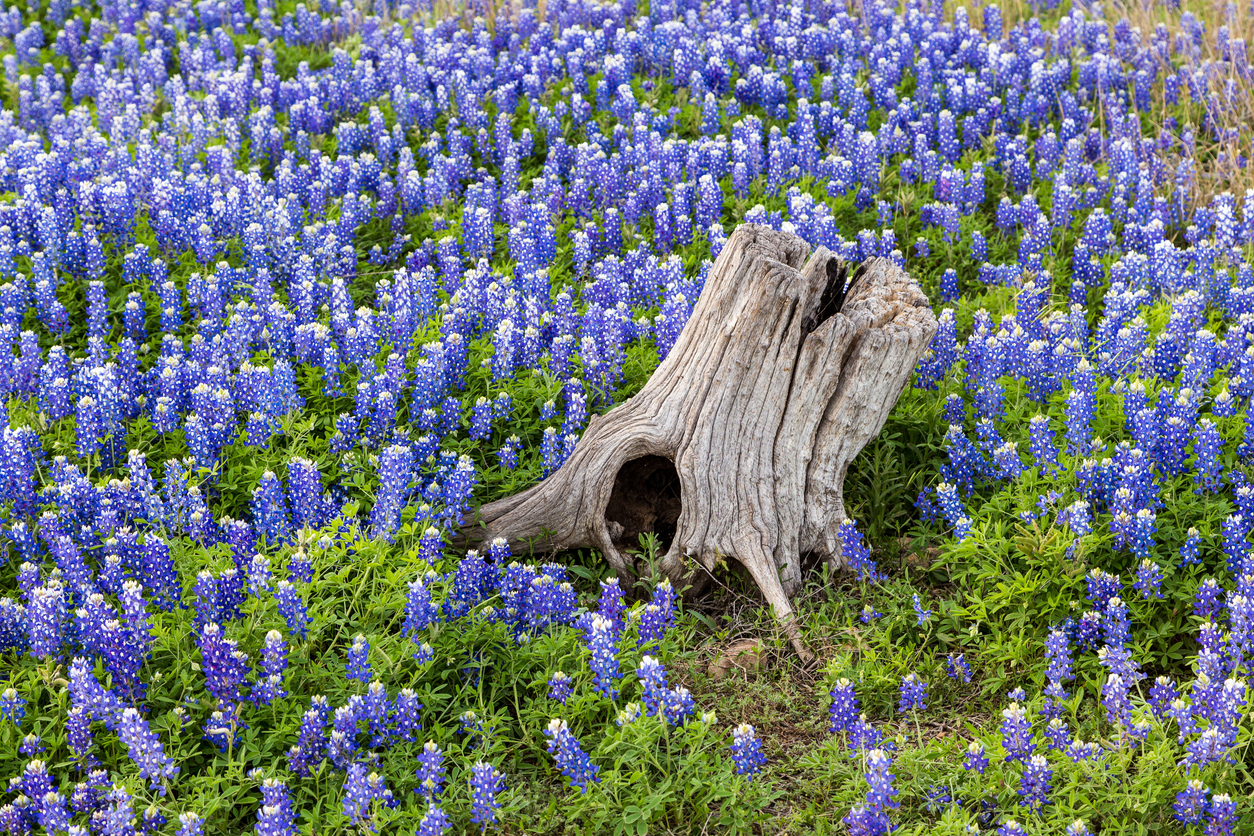
Spring wildflowers, especially bluebonnets, are one of the most popular seasonal photography opportunities in North Texas. The Ennis Bluebonnet Trails, located about 35 miles south of Dallas, feature over 40 miles of mapped driving routes through wildflower fields. Blooms typically peak between late March and mid-April, depending on rainfall and weather conditions. Additional locations include:
- Homer B. Johnson Stadium area (Garland): Accessible patches with parking
- Roadsides near DFW Airport and major highways: Seasonal but less predictable
- Cottonwood Creek Greenbelt (Frisco): Documented local wildflower areas
Checking TxDOT’s wildflower reports can help identify peak bloom timing across the region.
Dallas Skyline Photography: Best Vantage Points and Backgrounds
View this post on Instagram
Dallas offers several reliable vantage points for skyline photography, especially during golden hour and at night. Margaret Hunt Hill Bridge and the Ronald Kirk Pedestrian Bridge provide wide views of downtown across the Trinity River. Trammell Crow Park and nearby Trinity River trails offer elevated perspectives with foreground depth. Klyde Warren Park provides a central lawn view of surrounding buildings, while Reunion Tower’s GeO-Deck offers panoramic city views for those seeking a higher vantage point. Founders Plaza near Dallas Love Field combines aviation photography with skyline backgrounds, allowing photographers to capture planes approaching or departing with the city behind them.
Modern Districts for Commercial Photography in Frisco and Plano
Frisco and Plano offer modern, clean environments ideal for commercial and lifestyle photography. Legacy West features contemporary architecture, lighting elements, and open plazas that work well for branding shoots. The Star in Frisco, home of the Dallas Cowboys headquarters, provides structured backdrops suited for corporate and sports-themed photography. Frisco Square combines modern buildings with walkable streets and public spaces, while Downtown Plano Arts District blends historic charm with updated storefronts and murals. These areas are commonly used for headshots, branding content, and social media photography due to their polished aesthetic.
Lesser-Known DFW Spots: Creekside Trails and Historic Landmarks
View this post on Instagram
For quieter photography locations, DFW offers a variety of lesser-known natural and historic spots. Prairie Creek Park remains a top hidden gem for waterfall photography, while Stone Creek Park in Flower Mound offers a more rugged creekside environment. Downtown McKinney features preserved historic buildings and colorful storefronts that work well for street and architectural photography. Grapevine Springs Park and Colleyville Nature Center provide additional trails, ponds, and boardwalks for nature-focused shoots. These locations are ideal for photographers seeking less crowded environments and unique compositions.
Photo Walk Planning Tips for the DFW Metroplex
Planning a successful photo walk in DFW often comes down to timing, route selection, and lighting awareness.
- Start urban walks early in the morning or near sunset to avoid harsh midday light
- Combine nearby locations, such as Deep Ellum and Downtown Dallas, for efficient shooting routes
- Check park hours and parking access before visiting natural areas
- Watch weather conditions, especially wind at lakes and open parks
DFW’s size makes it helpful to group locations by area, allowing you to capture multiple styles in a single outing.
Camera Settings for Common Photography Scenarios
Understanding basic camera settings can help you get better results across different DFW photography environments.
- Sunset and Golden Hour: Use a lower ISO (100–200), a wide aperture (f/2.8–f/5.6), and adjust shutter speed to maintain proper exposure
- Water Reflections (Lakes and Canals): Use a tripod with slower shutter speeds (1–5 seconds) for smooth water effects, especially during low wind conditions
- Murals and Street Photography: Use a moderate aperture (f/5.6–f/8) for sharp detail across the frame and faster shutter speeds for handheld shooting
- Night Photography and Light Trails: Use a tripod, low ISO (100–200), and long exposures (10–30 seconds) to capture vehicle light trails and illuminated skylines
These adjustments help ensure sharp images, balanced exposure, and creative control across different shooting conditions.
Conclusion
The DFW Metroplex offers a wide variety of photography spots and walkable routes, from urban murals and skyline views to peaceful parks and seasonal wildflower fields. Whether you're exploring Deep Ellum, shooting golden hour landscapes, or discovering hidden creekside trails, the region provides endless opportunities to build a diverse photography portfolio. With thoughtful planning and attention to lighting, you can capture some of the most compelling scenes North Texas has to offer.