Austin Photography Spots for Street, Nature, and Events
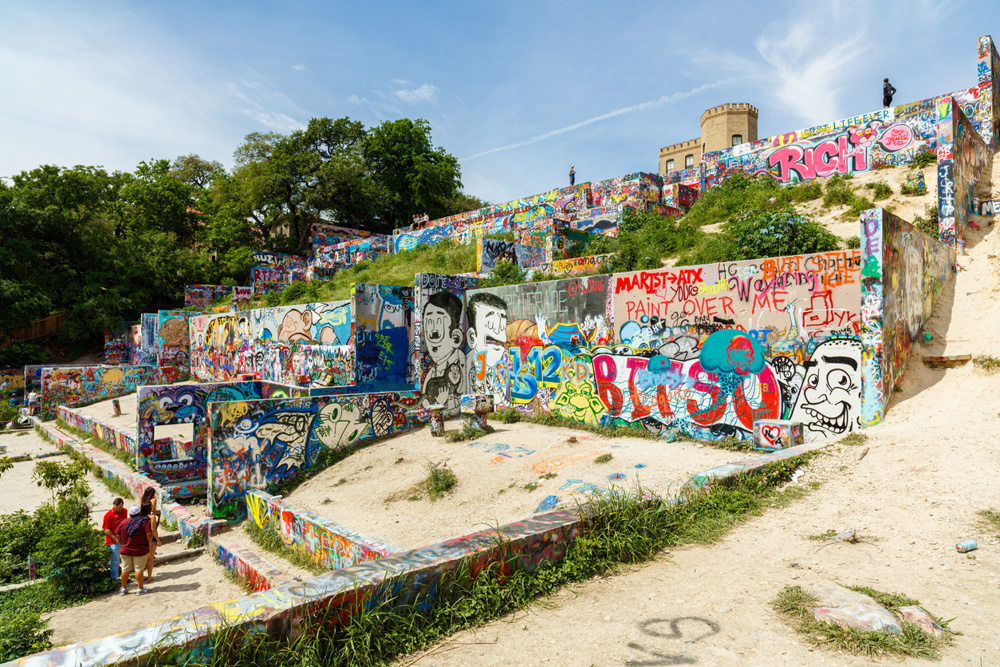
Austin offers a wide range of photography opportunities, from colorful street art and historic architecture to scenic waterfronts and Hill Country landscapes. Whether you’re capturing murals on South Congress, skyline reflections along Lady Bird Lake, or natural light in local parks, the city provides a strong mix of urban and outdoor settings.
This guide highlights some of the most reliable and visually compelling locations, along with practical tips for timing, access, and conditions.
Photography Gear Tips for Austin Conditions
Austin’s environment presents a mix of bright sun, reflective surfaces, and changing outdoor conditions, so having the right gear can make a noticeable difference.
A wide-angle lens (16–35mm range) works well for capturing murals, skyline views, and tight urban spaces like South Congress. For portraits and street photography, a 35mm or 50mm lens provides a natural perspective while maintaining subject focus.
Because of strong sunlight, especially in summer, a polarizing filter can help reduce glare from water, glass, and pavement while improving contrast in skies. A lens hood and UV filter can also help protect your gear in dusty or high-heat conditions.
For longer sessions outdoors, carrying extra batteries is important, as heat can shorten battery life. A lightweight tripod can be useful for sunrise, sunset, and low-light shots, particularly along Lady Bird Lake or at skyline viewpoints.
Austin Street Photography: SoCo Murals, 6th Street, and Urban Backdrops
South Congress Avenue (SoCo) remains one of Austin’s most recognizable photography areas. The “I Love You So Much” mural at Jo’s Coffee and the “Greetings from Austin” mural at 1720 South 1st Street are among the most photographed spots in the city.
Other murals and storefronts along South Congress offer strong color, texture, and character, especially during early morning or late afternoon when lighting is softer and crowds are lighter.
East 6th Street provides a different perspective, blending historic buildings, neon signage, and street art. It’s a good location for candid street photography and night shots, though photographers should be mindful of foot traffic and safety after dark.
For a more modern setting, The Domain offers clean architectural lines, retail storefronts, and open pedestrian spaces that work well for minimalist compositions.
Downtown Austin Architecture: Museums, Libraries, and Skyline Spots
Downtown Austin combines historic landmarks with modern design, making it a strong area for architectural photography.
The Austin Central Library (710 W. César Chávez St) is a standout with its multi-level atrium, rooftop garden, and lake views. The Seaholm District nearby adds industrial character through the preserved power plant structures.
The University of Texas Tower, completed in 1937, is one of the city’s most recognizable landmarks, though public access to the observation deck is limited and typically requires scheduled tours.
St. Mary Cathedral (completed in 1884) offers Gothic Revival details, including pointed arches and limestone construction.
Other notable locations include:
- Paramount Theatre (1915) – Historic façade and interior detailing
- Austin City Hall (301 W 2nd St) – Contemporary design with public plaza space (note: no permanent armadillo structure on-site)
- LBJ Presidential Library – Monumental modern design on the UT campus
- Austin History Center – Italian Renaissance Revival architecture
Golden Hour Timing for Austin’s Most Popular Photo Locations
Lighting plays a major role in capturing Austin’s best images. Golden hour—shortly after sunrise or before sunset—provides warm, diffused light that enhances color and reduces harsh shadows.
- Mount Bonnell – Ideal for sunset views over the Colorado River
- 360 Bridge (Pennybacker Bridge) overlook – Strong composition for skyline and river shots
- Zilker Park – Open space for both sunrise and sunset photography
- South Congress – Late afternoon light adds depth to murals and storefronts
Seasonal changes affect timing. Summer days are longer, pushing sunset shoots later in the evening, while winter offers earlier golden hour windows.
Lady Bird Lake and Waterfront Photography in Austin
Lady Bird Lake runs through downtown Austin and offers one of the city’s most consistent photography environments.
The Boardwalk Trail on the south side of the lake provides unobstructed skyline views and is especially popular at sunrise and sunset. The area near the Seaholm Pedestrian Bridge combines water, skyline, and historic architecture in a single frame.
Butler Park, near the Long Center, offers elevated views of downtown with reflective water features that work well for evening photography.
Red Bud Isle, located off Redbud Trail, is known for its tree-lined shoreline and calmer natural setting, making it a good choice for early morning shoots.
Green Space Photography: Mueller, Butler, and Central Austin Parks
Austin’s parks offer a balance of natural and urban elements.
Mueller Lake Park (4550 Mueller Blvd) features a central lake, pedestrian bridges, and public art installations, making it a versatile location for portraits and lifestyle photography.
Butler Park provides skyline views and open green space, while Mayfield Park is known for its peacocks, gardens, and historic cottage setting.
Bull Creek and nearby green spaces offer limestone features and shaded creek areas that work well for nature-focused shoots.
Natural Austin Escapes: Waterfalls, Overlooks, and Scenic Trails
Within and around Austin, several natural areas provide more dramatic landscapes.
- McKinney Falls State Park – Features Upper and Lower Falls along Onion Creek
- Hamilton Pool Preserve – A well-known grotto and waterfall (reservations required and conditions vary)
- Pedernales Falls State Park – Offers wide river views and rocky terrain
- Bull Creek Greenbelt areas – Accessible limestone formations and water features
Water levels and accessibility vary depending on rainfall, so checking conditions ahead of time is recommended.
Photography Permits and Parking in Austin
For personal photography, most public parks and spaces in Austin do not require permits as long as you are not blocking access or using large equipment.
Commercial photography—including shoots with paid clients, large setups, or props—may require permits through the City of Austin Parks and Recreation Department.
Parking varies by location. Popular areas like Zilker Park, South Congress, and downtown often have paid parking or limited street parking, especially on weekends. Arriving early helps secure better access.
Best Austin Locations for Event and Live Photography
Austin is known for its live music and festivals, making it a strong destination for event photography.
- 6th Street – Nightlife, live music venues, and street activity
- Zilker Park – Hosts major events like Austin City Limits Music Festival
- Moody Theater (ACL Live) – Indoor concert photography opportunities
- Republic Square and Auditorium Shores – Public events and gatherings
Event access and photography rules vary depending on the venue and organizer, so checking guidelines in advance is important.
Conclusion
Austin provides a diverse mix of photography locations, from iconic murals and modern architecture to waterfront views and natural landscapes. With the right timing and preparation, you can capture a wide range of scenes within a relatively small area.
Whether you’re focusing on street photography, nature, or live events, Austin offers consistent opportunities to create compelling images throughout the year.