Where to See Spanish Colonial Manuscripts in San Antonio
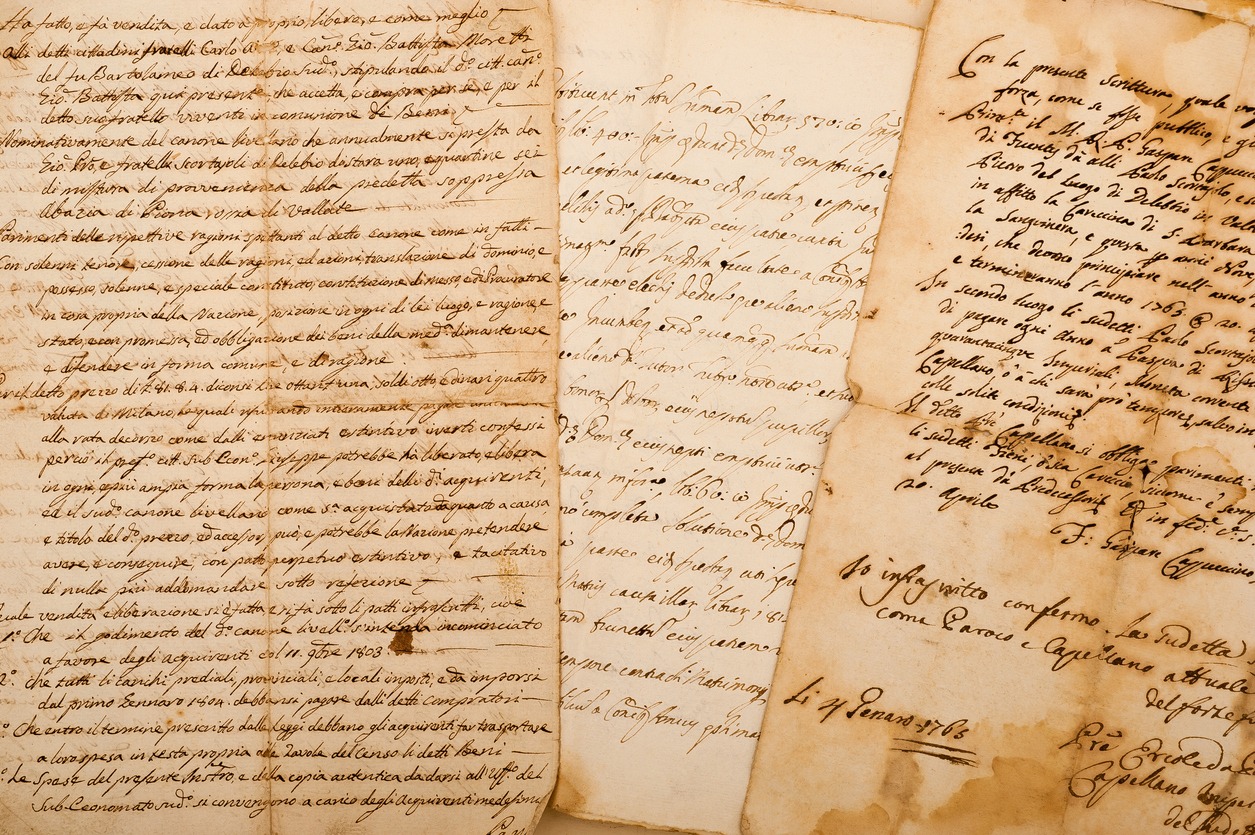
In San Antonio, you'll find remarkable Spanish colonial manuscripts at several key locations. The Daughters of the Republic of Texas Library Collection (DRT) is housed at the Bexar County Archives Building and includes Texana treasures dating back to 1519.
The Old Spanish Missions research materials are held by the Archdiocese of San Antonio (at Mission San José) and at Our Lady of the Lake University’s Center for Mexican American Studies & Research (CMASR), with significant digital access through UTSA Libraries. The Institute of Texan Cultures (UTSA) preserves contextual collections that complement colonial-era records.
Don’t miss the Bexar County Spanish Archives, with 250,000+ pages of original manuscripts and copies related to San Antonio de Béxar and the wider province. These collections offer a fascinating window into San Antonio’s colonial past.
The Treasures of the Daughters of the Republic of Texas Library
Nestled in the heart of San Antonio, the Daughters of the Republic of Texas (DRT) Library Collection offers researchers unparalleled access to Texas history at 126 E. Nueva St. You'll discover over 21,000 book titles focused on Texana, alongside archival materials dating from 1519 to the present.
The collection houses notable treasures including Stephen F. Austin’s 1827 hand-drawn map and Samuel A. Maverick’s annotated broadside copy of the Texas Declaration of Independence (not the engrossed original).
As part of their architectural preservation efforts, the library maintains important blueprints of historic San Antonio buildings. The collection is particularly valued for its emphasis on San Antonio culture and Texas heritage. The move from the Alamo grounds to downtown (completed in 2017) expanded access and programming.
Exploring the Old Spanish Missions Collections (Archdiocese & OLLU)
View this post on Instagram
Where can you find extensive archives documenting San Antonio’s Spanish colonial past? The Old Spanish Missions research holdings are maintained by the Archdiocese of San Antonio (at Mission San José) and at Our Lady of the Lake University’s CMASR; UTSA Libraries provides complementary digital access to related materials. You'll discover letters, church records, and architectural drawings illuminating mission life, Indigenous relations, and colonial governance. These fragile materials require specialized care, with many items available as microfilm or digital surrogates to protect originals. The missions were enclosed communities with defensive features (walls and gates), and the records reveal how settlements functioned as both parishes and frontier outposts. Check out the history of San Antonio missions to understand how the missions worked on the ground. Collaborations among the Archdiocese, National Park Service, and local institutions make these resources accessible for history, anthropology, architecture, and religious studies. Although less widely known than some larger collections, UTSA’s Institute of Texan Cultures preserves archives that document Texas history from the colonial era into the 19th and 20th centuries—materials that contextualize mission establishment, Native relations, and Spanish governance. Modern archival preservation techniques safeguard fragile items and improve access. These holdings complement the Bexar County Spanish Archives and UT Austin’s Bexar Archives, making the Institute a helpful stop for understanding Hispanic Texas before and after independence. Among the most compelling primary sources in San Antonio are Franciscan records documenting mission life from 1717–1836. You'll find these materials referenced across multiple repositories, including the Bexar Archives and Bexar County Spanish Archives. For mission demographics, consult translated registers compiled by scholars such as John Ogden Leal, which include baptisms, marriages, and burials from Concepción, San José, and San Francisco de la Espada. Of particular note is Pedro del Barrio Junco y Espriella’s 1749 visit log and inspection correspondence concerning La Bahía del Espíritu Santo and other posts; UT Austin holds related documentation. Military reports and official correspondence provide crucial context about mission operations and Indigenous relationships during secularization. Spanish and Mexican land grants and legal documents form the foundation of San Antonio’s historical property records. You'll find key manuscripts split between the Bexar County Spanish Archives in San Antonio and the Dolph Briscoe Center at UT Austin. When researching colonial land disputes or tracking deeds and property transfers, consider these resources: These collections document the transition from Spanish to Mexican rule, revealing changing land tenure across Texas’s colonial period. Historical maps of colonial San Antonio provide a visual narrative of the city’s transformation from a frontier mission settlement to an urban center. UTSA Libraries Special Collections holds historical map materials spanning from the 16th century onward, while UT Austin’s Perry–Castañeda Library Map Collection hosts hundreds of thousands of maps, many available online. Researchers can consult early-19th-century San Antonio de Béxar plans from around the Alamo period to trace growth patterns. The Texas State Library & Archives and the Portal to Texas History also provide extensive digital cartographic resources. Modern GIS tools now allow researchers to analyze these historical maps, tracing San Antonio’s evolution from mission town to Spanish colonial and Mexican administrative hub. If you’re planning a field day after your document work, this short list of top historical sites helps map a route that mirrors the archives. Spanning centuries of intercultural encounters, manuscripts in San Antonio archives reveal complex relationships between Spanish settlers and Indigenous peoples. At the Bexar Archives and UTSA Special Collections, documents capture legal disputes, diplomatic negotiations, and daily life within mission communities. Registers track conversions and marriages among Coahuiltecan groups (including the Payaya), while administrative correspondence reflects shifting alliances across the borderlands. These records remain pivotal in today’s efforts to protect heritage sites and inform archaeological research across South Texas. Housed in climate-controlled vaults at UT Austin’s Briscoe Center, the Bexar Archives preserve more than a quarter-million pages documenting Spanish and Mexican Texas from 1717–1836. You'll discover detailed records of administrative change as governance shifted from Spanish to Mexican control, illuminating military practices through correspondence, decrees, and reports guiding San Antonio de Béxar and surrounding territories. Researchers can also consult microfilm and translations available in San Antonio at the Bexar County Archives Building, ensuring broad access to the administrative backbone of early Texas. For genealogists tracing Spanish colonial roots, San Antonio’s repositories offer remarkable windows into the past through well-preserved manuscripts dating from the early 18th century. Focus on San Fernando Cathedral parish registers for baptisms and marriages, mission parish registers at San José and Concepción for sacramental data, and Bexar County Clerk legal documents for deeds, wills, and contracts. University special collections maintain family papers (e.g., Canary Islander descendants) that add depth to family histories, while local genealogical societies provide research support in Spanish-language records and paleography. A quick read on the Canary Islanders explains why 1731 civil records around San Fernando and the cabildo matter so much to lineage work. As technology transforms access to historical materials, researchers can explore San Antonio’s Spanish colonial manuscripts from virtually anywhere. Bexar Archives Online provides side-by-side viewing of Spanish originals and English translations, full-text search of translations, and access to the 37-volume Bexar Archives Calendar. Digitization has expanded far beyond the mid-20th-century microfilm editions, with additional years and indexes coming online. Complementary resources include the City of San Antonio Municipal Archives (maps and council records) and UTSA’s Digital Collections. Researchers interested in mission history can also consult the Old Spanish Missions research library (appointment required).Hidden Gems at the Institute of Texan Cultures Archives
Franciscan Records and Mission Life: Primary Sources
Spanish Colonial Land Grants and Legal Documents
Mapping Colonial San Antonio: Historical Cartography Collections
Native American Interactions in Colonial Texas Manuscripts
The Bexar Archives: Window Into Spanish Administrative History
Genealogical Research Using Colonial-Era Documents
Digital Access to Spanish Colonial Manuscripts in San Antonio
Related posts