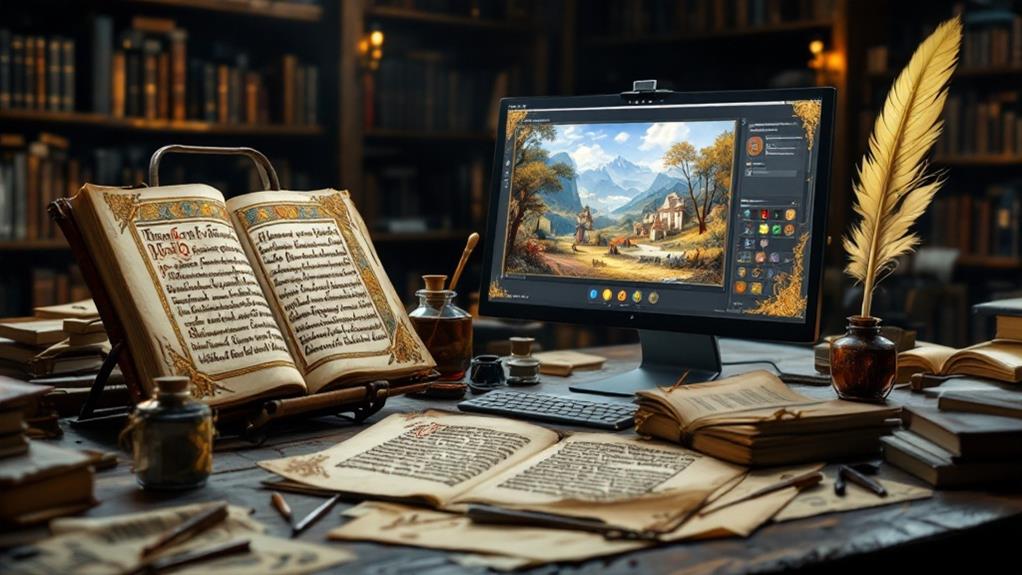
The Role of Folios in Shaping Cultural Identity and Heritage

Folios play a vital role in shaping cultural identity and heritage by acting as time capsules that preserve the essence of past societies. When you investigate a folio, you're connecting with the historical narratives and artistic expressions of a culture. These artifacts, with their intricate illustrations and illuminated texts, reflect societal values and technological advancements of their time. They not only document historical events but also offer insights into cultural beliefs and traditions, fostering a sense of belonging and continuity. By examining folios, you reveal diverse perspectives and richness that continue to influence modern cultural identity and heritage. Uncover more fascinating insights ahead.
Understanding Folios and Their Importance
To truly grasp the essence of folios and their significance, it is crucial to investigate their role as cultural artifacts that tell stories of the past. When you examine a folio, you're looking at more than just pages bound together; you're peering into a window of artistic expression and historical context. Folio characteristics often include intricate illustrations, detailed scripts, and the use of a variety of materials like parchment or vellum, which demonstrate the artistic techniques of their time.
You'll find that folios are crafted with careful attention, showcasing techniques like illumination, where gold leaf and vivid colors are applied to embellish manuscripts. This artistry not only improves aesthetic appeal but also serves to emphasize significant text or themes within the folio. By studying these characteristics, you can appreciate how artisans employed these techniques to communicate cultural, religious, or political narratives.
Furthermore, folios often reflect the societal values and technological advancements of their periods. For example, the choice of materials and the complexity of design can clarify the availability of resources and the level of craftsmanship. Understanding these elements allows you to see folios as more than books—they're cultural gems.
Historical Significance of Folios
Folios are more than mere collections of pages; they're historical gems that offer a glimpse into the past. You'll find that these folios showcase the evolution of manuscripts over centuries, reflecting changes in language, culture, and society. Each folio marks a chapter in history, capturing the shift from one period to another. Through these pages, you witness how manuscript evolution is tied to the historical context that shaped them.
As you explore these folios, take note of the artistic techniques that illuminate their significance. The intricate details and craftsmanship tell stories beyond the written words. Artists and scribes used varied methods to improve these folios, from vivid illuminations to delicate calligraphy. These techniques weren't just for aesthetics; they reflected the cultural and religious values of their time.
Folios as Cultural Preservers
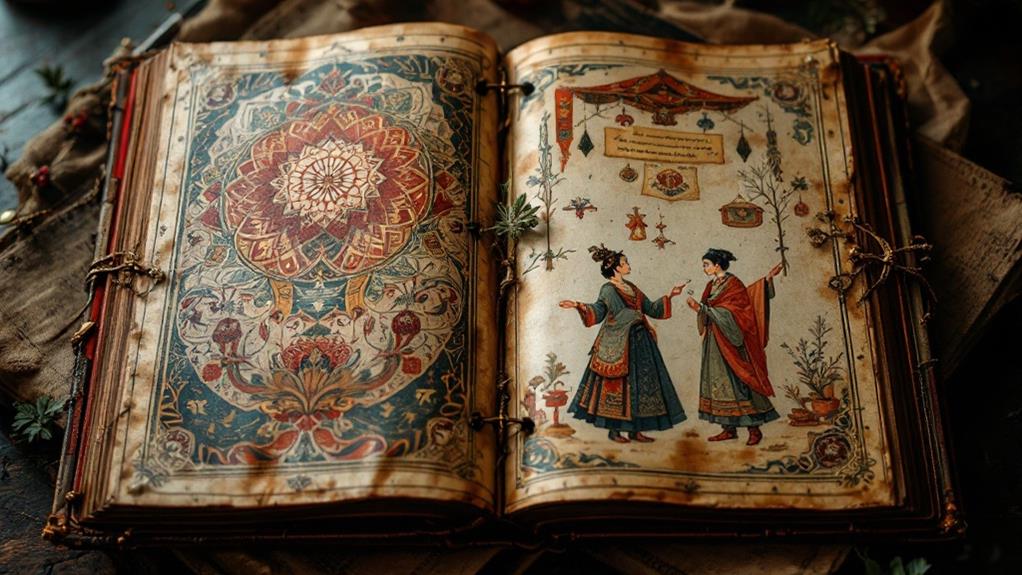
In conjunction with their historical value, folios serve as crucial cultural preservers that encapsulate the essence of the societies from which they originate. They're like time capsules, offering you a glimpse into the past through cultural storytelling and artistic expression. When you flip through a folio, you're not just looking at old pages; you're engaging with the stories and artistry that defined entire periods. These folios capture the voices, beliefs, and traditions of their time, preserving them for future generations to investigate and understand.
Folios aren't just dusty old books. They play a key role in maintaining cultural heritage by preserving unique artistic expressions. Every brushstroke, every inked letter, tells a part of a larger narrative, letting you experience the creativity and innovation of artists and writers long gone. They highlight diverse perspectives and allow you to appreciate the cultural richness that might otherwise be lost.
Engaging with folios helps keep these stories alive, making sure that the cultural heritages they represent continue to inspire and educate. By valuing folios, you contribute to the ongoing preservation of human stories and creativity, ensuring they endure through time.
Impact on Modern Cultural Identity
When you investigate folios, you're not just connecting with the past; you're also uncovering the roots of modern cultural identity. These historical documents serve as a bridge between generations, offering insights into the cultural expressions that define who you are currently. By examining them, you gain an understanding of the values, beliefs, and traditions that have shaped your identity formation over time.
Folios impact modern cultural identity in several ways:
- Preservation of Language: They capture languages and dialects that may have evolved or disappeared, allowing you to appreciate the linguistic diversity of your heritage.
- Artistic Inspiration: Through illustrations and calligraphy, they spark creativity and influence contemporary art and design.
- Historical Context: They provide context for historical events, helping you understand your place in the world currently.
- Cultural Dialogues: By showcasing diverse perspectives, they foster a dialogue between cultures, enhancing your global awareness.
- Tradition Continuity: They preserve customs and rituals that continue to influence your daily life and cultural practices.
Exploring folios allows you to reflect on how these elements contribute to your unique cultural identity, offering a richer understanding of how past cultural expressions continue to shape and define who you are in the present world.
Digital Transformation of Folios

While investigating how folios influence modern cultural identity, it's also essential to contemplate how technology reshapes our interaction with these historical documents. Thanks to online archives, folios are no longer confined to physical spaces, but are accessible to anyone with an internet connection. This accessibility democratizes knowledge, allowing you to investigate rare manuscripts and ancient texts from the comfort of your home. It's a groundbreaking shift that breaks down geographical and socioeconomic barriers.
Moreover, digital transformation offers interactive experiences that physical folios can't provide. Imagine not only reading a folio, but also engaging with multimedia annotations, translations, and commentary from experts worldwide. You can zoom into intricate details, compare different versions, or even participate in virtual reality walks through historical contexts. This level of engagement deepens your understanding and appreciation of cultural heritage.
In this online era, folios are not just preserved; they're revitalized. As you navigate through these digital platforms, you're actively participating in a global dialogue about cultural identity. The transformation of folios into digital formats guarantees that they remain relevant and influential, continuing to shape cultural narratives in exciting, inventive ways.
Future of Folios in Heritage Preservation
The future of folios in heritage preservation promises to be as dynamic as the digital revolution that has already transformed them. You're now looking at a world where interactive folio experiences become a cornerstone of cultural engagement. Imagine walking through a virtual museum where you can not only view ancient manuscripts but actually interact with them. These experiences allow you to uncover hidden details, listen to expert commentaries, and even contribute your thoughts, creating a sense of personal connection with history.
In this evolving landscape, community folio engagement becomes essential. You have the power to shape how these folios are preserved and appreciated. With digital platforms, you can collaborate with others, sharing insights and stories that enrich the understanding of these cultural gems. Here's what you might experience:
- Virtual reality tours: Step into historical settings where folios were originally used.
- Augmented reality apps: See folios come to life with animations and interactive content.
- Collaborative projects: Work with others to annotate and discuss folios.
- Crowdsourcing efforts: Contribute to digitization projects that guarantee folios' longevity.
- Online forums: Engage in discussions about the cultural significance of different folios.
You're not just a passive observer; you're an active participant in preserving heritage.
Related posts