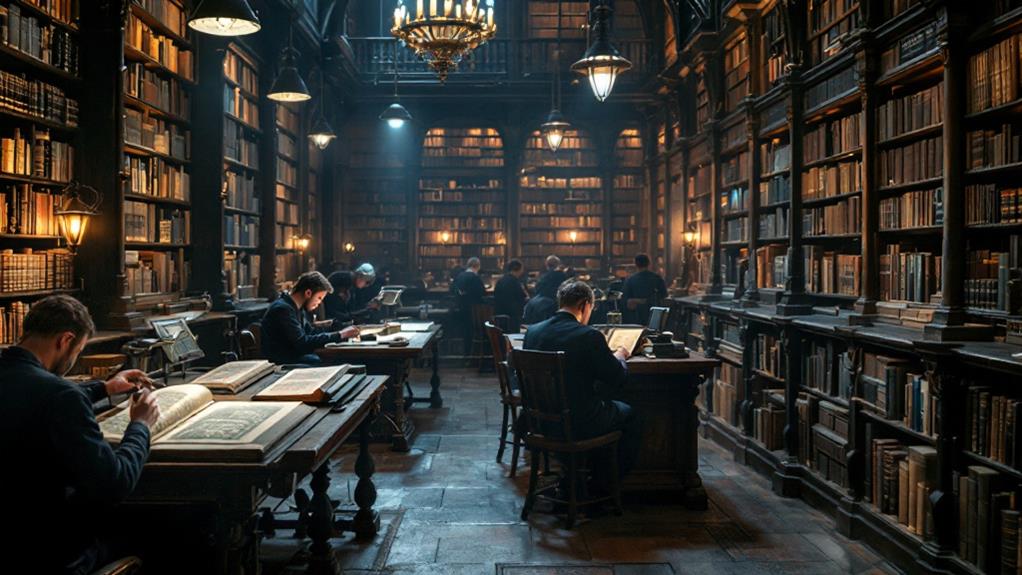
The Role of AI and Digital Imaging in Ancient Manuscript Preservation
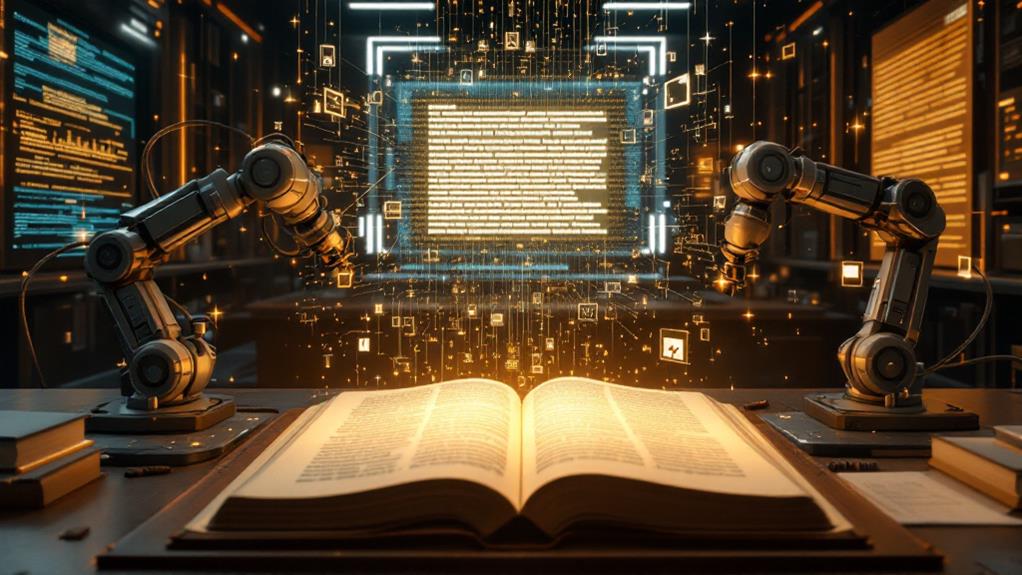
You're witnessing a revolution in preserving ancient manuscripts with AI and digital imaging. AI algorithms decode and interpret faded or damaged texts, turning them into accessible digital formats. High-resolution scanning captures even the smallest details, allowing you to examine manuscripts without damaging the originals. Spectral imaging reveals hidden text, breathing new life into these cultural artifacts. This technology not only safeguards but also democratizes access, letting a global audience experience historical insights. As these tools evolve, they'll transform preservation strategies, shedding brighter light on ancient societies and paving the way for a deeper connection to our past.
Understanding Ancient Manuscripts
Ancient manuscripts are windows into the past, offering insights into the cultures, beliefs, and knowledge of bygone periods. As you explore these texts, you'll uncover the manuscript origins that reveal how societies documented their existence and values. These manuscripts hold immense cultural significance, serving as the foundation of modern civilizations. By investigating them, you gain an understanding of the historical context in which they were created, reflecting the political, social, and religious landscapes of their time.
You'll notice the linguistic diversity present in ancient manuscripts, showcasing a myriad of languages and scripts that highlight the interconnectedness of ancient cultures. This diversity necessitates a keen understanding and respect for the preservation ethics involved in maintaining these texts for future generations. As you examine these manuscripts, you'll appreciate the delicate balance between preserving the original material and utilizing modern methods to guarantee their longevity.
Technological impact has been profound in this field, allowing you to access and analyze manuscripts in ways previously unimaginable. Digital imaging and AI now enable you to study these documents without risking damage, assuring that their wisdom continues to be shared and understood for generations to come.
Challenges in Preservation
In the current constantly changing technological landscape, preserving ancient manuscripts presents numerous challenges that require careful consideration and strategic planning. Environmental factors like humidity and temperature fluctuations can cause irreversible damage, making it crucial to create stable conditions for these fragile artifacts. You need to understand that even with the best intentions, creating and maintaining such environments can be costly, leading to significant funding issues. Without adequate financial support, it becomes nearly impossible to protect these invaluable pieces of history.
Technological limitations also pose a threat. While digital imaging and AI have advanced, they're not foolproof. Scanning delicate manuscripts without causing harm requires cutting-edge equipment, which isn't always accessible or affordable. You might find that the technology necessary for preservation isn't available everywhere, creating a barrier in protecting these texts globally.
Ethical concerns further complicate preservation efforts. There's a delicate balance between accessibility and conservation. You must decide how much digital access to provide while ensuring the original manuscripts remain intact. Deciding who gets access and under what conditions can lead to debates about ownership and cultural heritage rights. Addressing these challenges demands a collaborative approach, blending technology with cultural sensitivity and resource allocation.
AI in Text Analysis
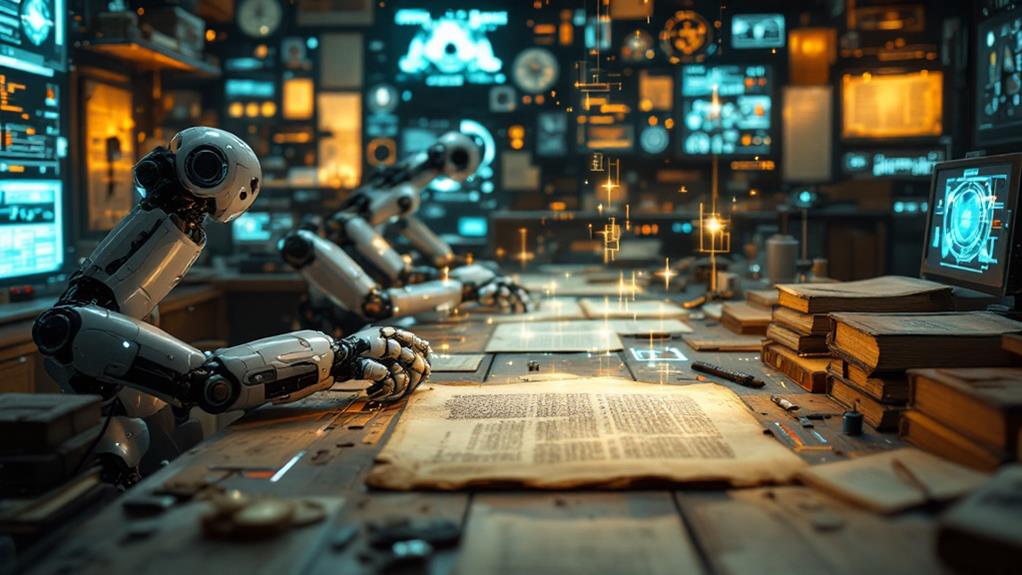
With the advent of advanced AI technologies, text analysis has become an essential tool in the preservation of ancient manuscripts. You can utilize AI algorithms to decode and interpret texts that are often faded or damaged. These algorithms are adept at text recognition, allowing you to convert ancient scripts into digital formats efficiently. This transformation makes it easier to study and preserve these works for future generations.
AI doesn't stop at mere recognition; it explores deeper with semantic analysis. This means you don't just read the words; you understand their meanings and contexts within historical frameworks. By employing semantic analysis, you can uncover insights into the culture and society of the time, enriching your understanding of historical linguistics.
Moreover, AI can identify patterns and anomalies in the texts that might not be visible to the human eye. It helps you distinguish between different writing styles, languages, and dialects, enabling a more thorough examination of the manuscript's origins and history. Consequently, AI in text analysis not only preserves but also improves your appreciation and comprehension of ancient manuscripts, making them accessible and informative in unprecedented ways.
Digital Imaging Techniques
Improve manuscript preservation through digital imaging techniques, where cutting-edge technology captures the minute details of ancient texts with stunning accuracy. By using high resolution scanning, you can guarantee that every letter, symbol, and illustration is documented with exceptional clarity. This process involves creating digital replicas that are true to the original manuscripts, allowing scholars and enthusiasts to study these historical valuables without risking further damage to the fragile originals.
Spectral imaging is another revolutionary tool in the field of manuscript preservation. This technique uses different wavelengths of light to reveal details that might be invisible to the naked eye. With spectral imaging, you can uncover faded texts, hidden writings, and even correct earlier transcription errors, providing a deeper understanding of the manuscript's history and content.
These digital imaging techniques not only preserve the physical state of the manuscripts but also democratize access, enabling people worldwide to investigate these valuables online. By adopting high resolution scanning and spectral imaging, you're taking a proactive step in protecting and sharing cultural heritage. These tools empower you to maintain the past while making it accessible for future generations, guaranteeing these ancient texts continue to illuminate human history.
Case Studies and Applications
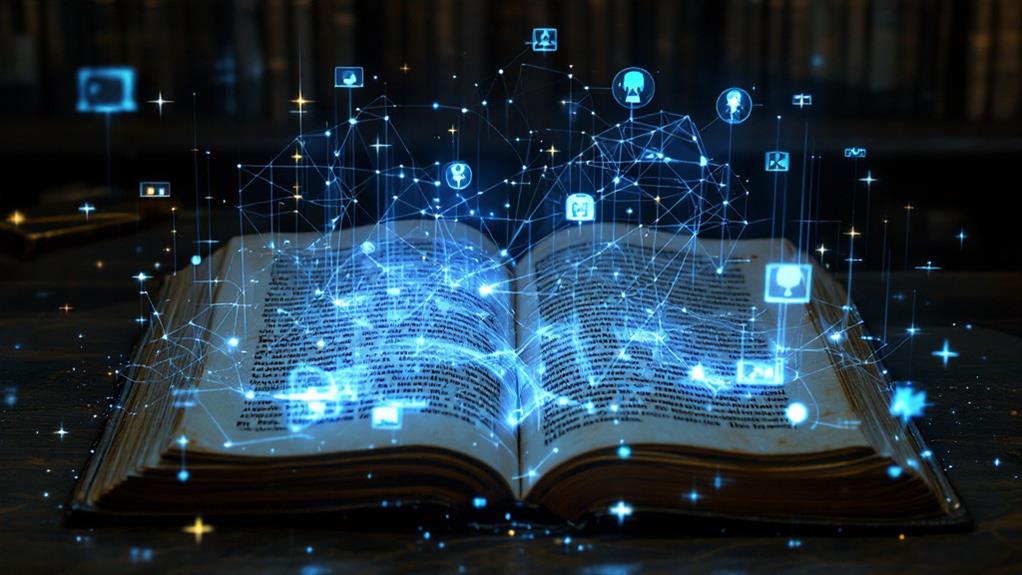
Imagine peering into the past with the help of modern technology—this is precisely what several groundbreaking case studies have achieved in the field of manuscript preservation. By using AI and digital imaging, researchers have breathed new life into ancient texts, ensuring their survival and accessibility. Take, for example, a project that used AI to authenticate manuscripts from the medieval period. By analyzing the ink composition and writing styles, AI algorithms helped distinguish genuine works from forgeries, preserving the integrity of our cultural heritage.
Another fascinating application involves the restoration of faded texts. In the Vatican Library, AI tools have been employed to improve the legibility of ancient manuscripts, revealing lost details without damaging the originals. These advancements not only secure the manuscripts' longevity but also enable historians to uncover untold stories and insights from the past.
Moreover, digital imaging has empowered virtual repatriation projects, where digitized manuscripts are shared with communities who originally created them. This fosters a renewed connection to cultural heritage, allowing people worldwide to access and appreciate their ancestral history. By merging technology with tradition, these case studies demonstrate the transformative power of AI and digital imaging in preserving our shared past.
Future Directions in Preservation
As we look ahead, the future of manuscript preservation promises even more creative breakthroughs. You'll see how AI and digital imaging can improve the preservation process, offering sustainable practices that protect our shared heritage. The key to these advancements lies in diverse, collaborative efforts between technology experts, historians, and conservationists. Here's what you can expect in the coming years:
- Improved Imaging Techniques: AI will continue to refine imaging techniques, allowing you to uncover hidden layers and faded texts, making manuscripts more accessible without physical handling.
- Global Collaboration Platforms: You'll witness new platforms designed for international collaboration, enabling experts worldwide to contribute their knowledge and resources, creating a more unified approach to preservation.
- Eco-Friendly Solutions: Sustainable practices will become a cornerstone, with AI helping to develop methods that reduce the environmental impact of preservation activities.
- Predictive Analysis: AI's predictive capabilities will allow you to foresee potential degradation risks and plan preventive measures, ensuring long-term preservation of ancient texts.
Related posts