The Remarkable Art of Islamic Golden Age Manuscripts

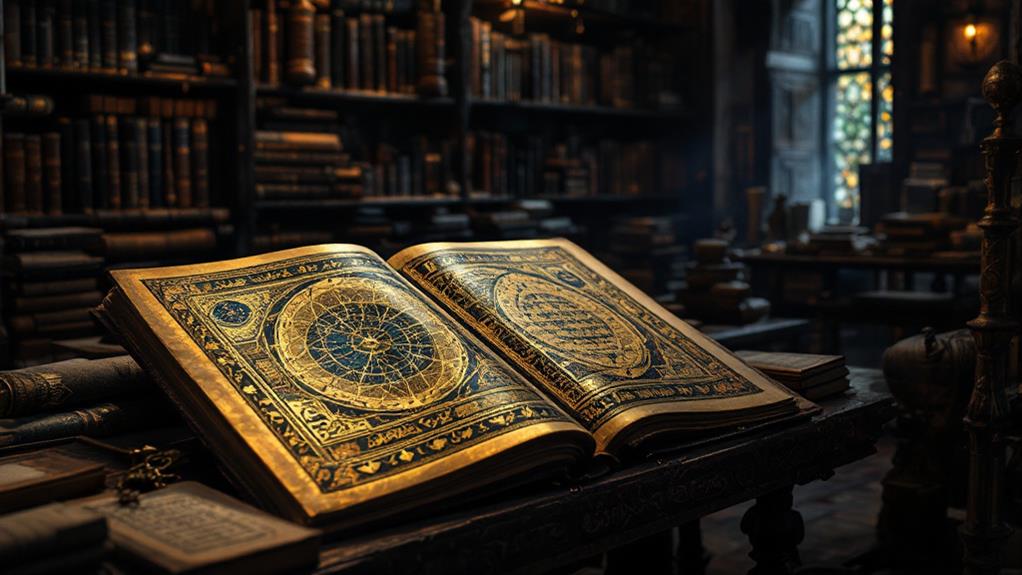
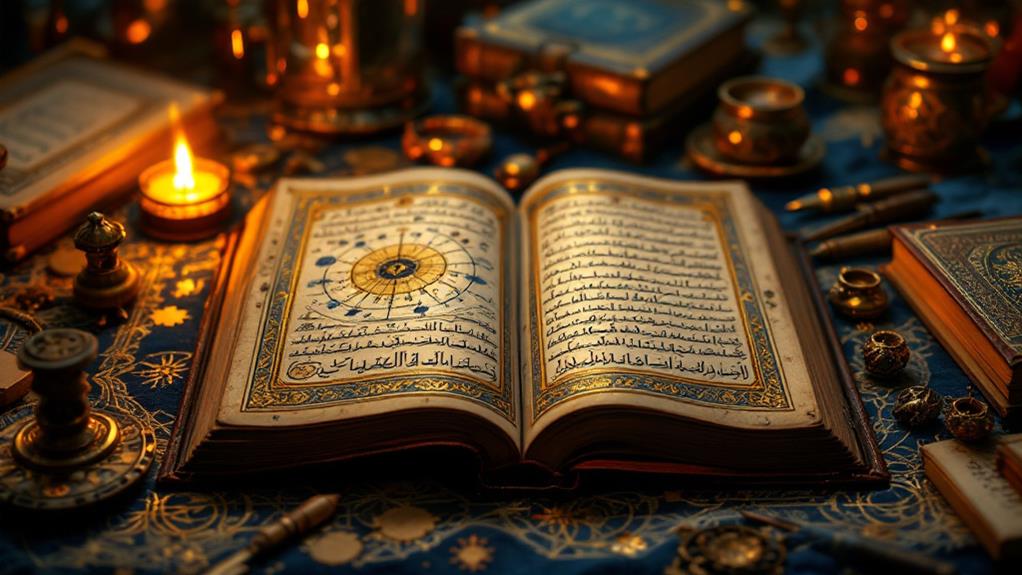
You're about to uncover the remarkable art of Islamic Golden Period manuscripts, where intricate calligraphy and lively illumination bring words to life. These manuscripts from Baghdad to Andalusia showcase a fusion of art and knowledge, preserving wisdom from diverse cultures. Artists transformed words into spiritual art, using techniques like gold leaf illumination and colorful miniatures to illustrate texts and evoke spiritual depth. Each manuscript is a proof of the age's rich cultural exchange and enduring legacy. By exploring further, you'll reveal the depth of symbolism and harmony that define these timeless works of art.
Historical Context and Origins
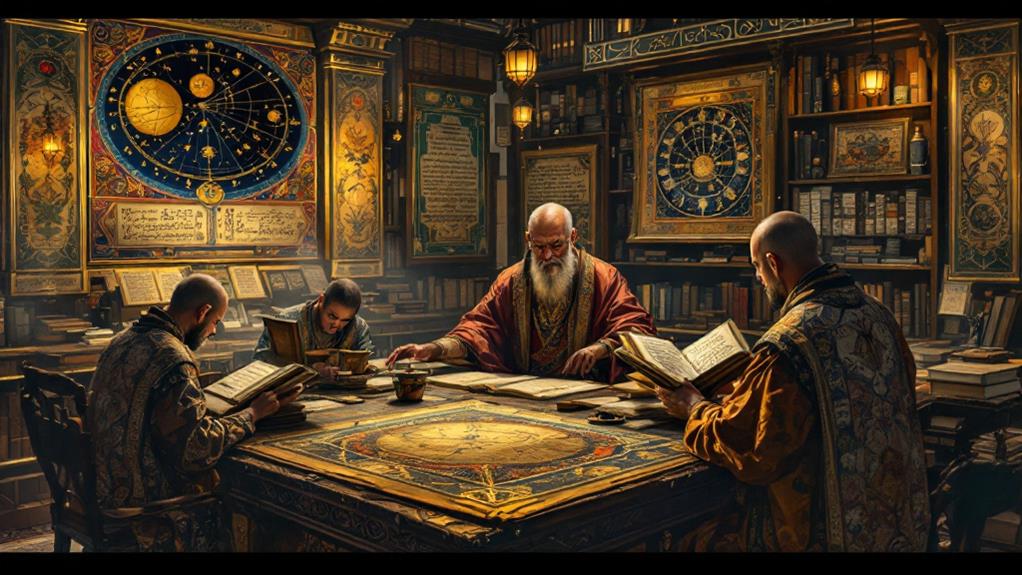
During the early centuries of the Islamic Empire, a remarkable period known as the Islamic Golden Age emerged, driven by a thirst for knowledge and a commitment to scholarship. You'll find that Islamic scholars were at the forefront, fueled by a passion for learning that spanned numerous fields. They engaged in cultural exchange, incorporating wisdom from Greek, Roman, Persian, and Indian civilizations into their own studies. This blend of knowledge was carefully documented in historical manuscripts, which became prized resources.
Artistic collaboration was key during this time, as scholars and artists worked hand-in-hand to create manuscripts that were not only informative but visually enchanting. These documents were adorned with intricate calligraphy and lively illustrations, showcasing the beauty of Islamic art. Their preservation efforts guaranteed that these masterpieces withstood the test of time.
The educational impact of these historical manuscripts was profound. They didn't just preserve knowledge; they actively propagated it, forming the foundation of learning that would inspire generations. By studying these manuscripts, you gain insight into a time when learning was a revered pursuit, and knowledge was a bridge connecting diverse cultures across the Islamic Empire.
Key Centers of Manuscript Production
While exploring the Islamic Golden Age, you'll uncover that key centers of manuscript production were essential in the preservation and dissemination of knowledge. In Baghdad, workshops thrived as the city became a hub of intellectual and cultural activity. These workshops facilitated scholarly collaborations and artistic exchanges, producing stunning manuscripts that reflected Persian influences. Manuscripts from this period often featured intricate designs and detailed illustrations, showcasing the fusion of multiple cultural elements.
Moving westward, the Andalusian styles in places like Cordoba and Toledo brought unique contributions to manuscript production. Here, the blending of Islamic, Christian, and Jewish traditions gave rise to distinctive artistic elements that were both harmonious and creative. The manuscripts often included religious texts, philosophical works, and scientific treatises, all enriched by the multicultural environment.
Further north, the Ottoman contributions played a significant role in evolving manuscript art. As the Ottoman Empire expanded, it absorbed different regional styles, incorporating them into its own rich tradition. This time saw the flourishing of trade routes, which facilitated the exchange of artistic techniques and ideas across vast distances. These centers, interconnected through trade and scholarship, guaranteed the legacy of Islamic Golden Age manuscripts endured for centuries.
Calligraphy as an Art Form
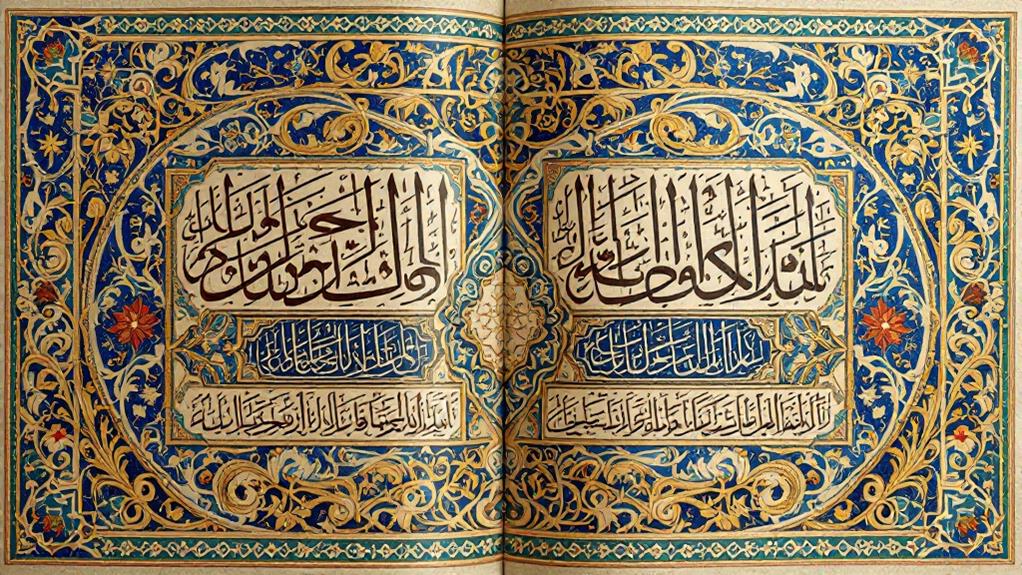
Calligraphy, an integral part of the Islamic Golden Age manuscripts, showcased the artistic zenith of these key centers of production. You'll find that calligraphy wasn't just about writing; it was a profound form of artistic expression. Every stroke and curve were carefully crafted, transforming words into visual art. By engaging with these manuscripts, you're not only reading text but also appreciating the beauty embedded within each letter.
The spiritual significance of calligraphy in Islamic culture can't be overstated. It was more than decoration; it was a means to honor the divine words of the Quran. Calligraphers approached their work with devotion, believing that the act of writing itself was a spiritual practice. As you explore these texts, you'll notice how this reverence is reflected in the intricate designs.
To truly appreciate the art form, consider how the variety of scripts, like Kufic and Naskh, allowed for diverse artistic interpretations. Each script brought its own flair, adding layers of meaning and aesthetic appeal. By understanding calligraphy's role in these manuscripts, you're witnessing a blend of artistry and spirituality that defined an entire period.
Techniques of Illumination
In the art of Islamic Golden Age manuscripts, illumination techniques played a significant role in enhancing the visual impact and spiritual depth of the texts. As you investigate these ancient works, you'll notice how color theory was masterfully applied to create harmony and evoke emotion. Artists carefully selected a palette that not only complemented the calligraphy but also conveyed the manuscript's essence. They knew how to balance lively hues with subtle shades, drawing the reader's eye and inviting deeper contemplation.
Layering techniques were another essential aspect of illumination. By applying thin layers of color and gold leaf, artists achieved a luminous effect that made the manuscripts seem to glow. Each layer added depth, creating an intricate interplay of light and shadow. You'd see how the careful buildup of layers gives the impression of texture, almost as if you could feel the richness with your fingertips.
The use of geometry and symmetry in these designs was no accident either. These elements provided order and structure, echoing the divine harmony that underpinned Islamic art. As you investigate these manuscripts, you'll appreciate how illumination transforms text into a profoundly spiritual experience.
The Role of Miniatures
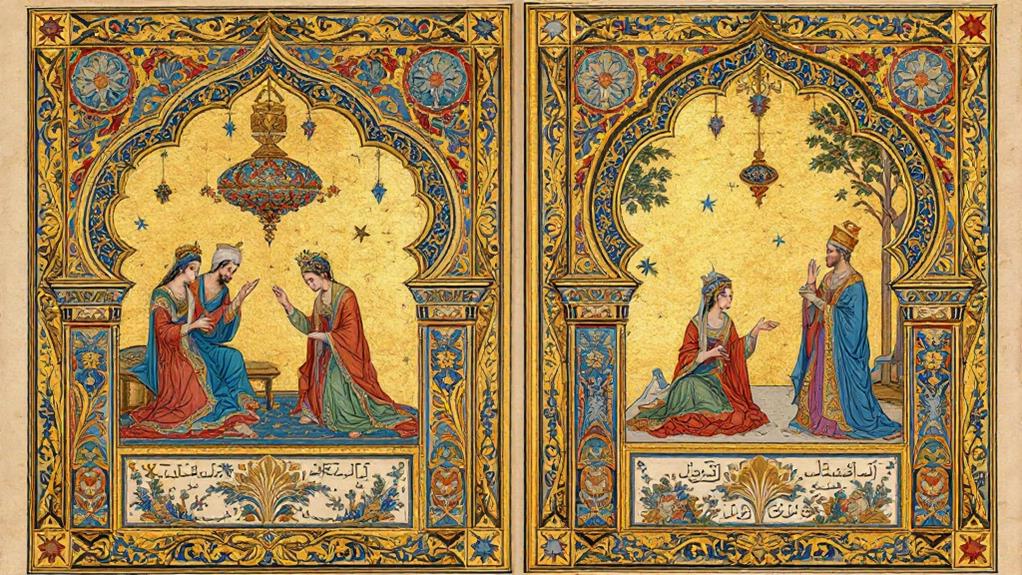
As you admire the intricate illumination techniques of Islamic Golden Age manuscripts, you'll soon uncover another enchanting aspect: the role of miniatures. These tiny, detailed illustrations breathe life into the text, offering a visual representation of the manuscript's stories. Miniatures are not just decorative elements; they serve as powerful narrative techniques, guiding you through the manuscript's themes and events.
In Islamic art, miniature symbolism plays a significant role in conveying deeper meanings. Each color, gesture, and figure is carefully chosen to improve the narrative and provide insight into the cultural and historical context. To appreciate these miniature masterpieces, consider how they:
- Depict historical events: Miniatures capture key moments with precision, helping you visualize the past.
- Illustrate literary works: They bring to life the characters and settings of beloved stories and poems.
- Convey religious themes: Sacred texts often feature miniatures that highlight divine teachings.
- Improve storytelling: By complementing the written word, miniatures enrich the narrative experience.
- Reflect societal values: The art often mirrors the prevailing beliefs and customs of the time.
As you investigate these enchanting illustrations, you'll gain a deeper appreciation for the artistry and purpose behind Islamic Golden Age manuscripts.
Symbolism and Iconography
Delving into the symbolism and iconography of Islamic Golden Age manuscripts reveals a rich tapestry of meaning woven into each page. You'll find that geometric patterns are not just visually stunning but also reflect spiritual themes, representing the infinite nature of Allah. These recurring designs create harmony and balance, embodying the cultural significance of unity and order in the universe.
Botanical motifs, often inspired by the lush gardens of paradise, add another layer of narrative symbolism. They're not merely decorative; they evoke spiritual themes of growth, renewal, and divine beauty. When you see these motifs, think of them as a reminder of the interconnectedness of all living things and the promise of paradise.
Celestial imagery in these manuscripts often holds profound narrative symbolism, guiding you through stories of heavenly bodies and their influence. The stars and planets depicted are more than just astronomical; they're metaphors for destiny and divine guidance.
Together, these elements create a visual language rich in cultural significance, inviting you to investigate deeper meanings. By understanding these symbolic layers, you'll appreciate the manuscripts' artistry and the spiritual and cultural messages they convey, transcending time and geographical boundaries.
Materials and Tools Used
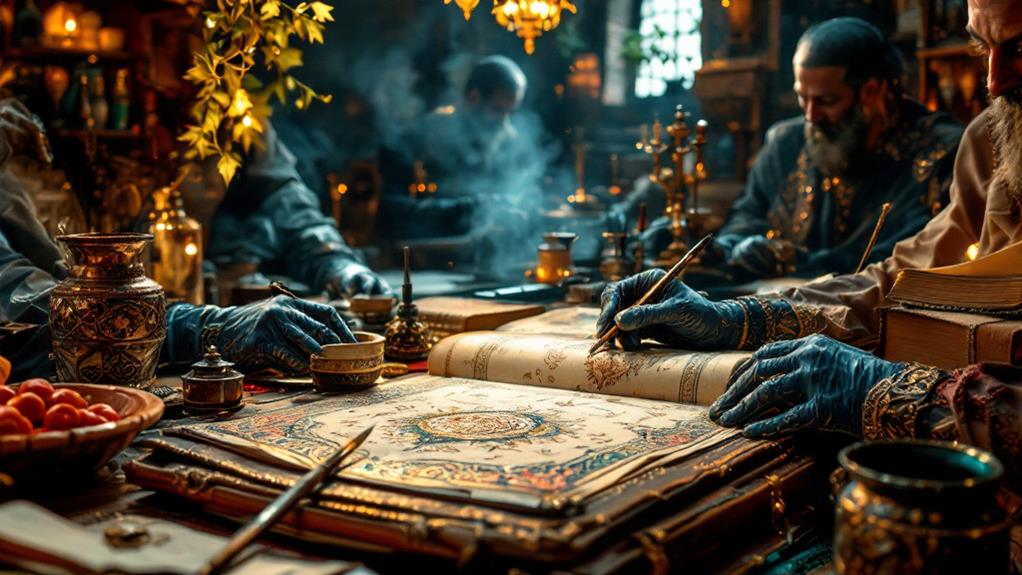
Creating Islamic Golden Age manuscripts required a careful selection of materials and tools, each chosen for its unique properties and significance. You'd start with parchment preparation, a thorough process involving the stretching and smoothing of animal skins. This created a durable and adaptable surface for writing. The next step was choosing the right ink types. Scribes utilized diverse inks, often made from natural ingredients like soot, plant extracts, or minerals, each contributing to the manuscript's brilliance and longevity.
In this period, the tools of the trade were as fundamental as the materials themselves. Here are some key items you would encounter:
- Reeds or quills for writing, chosen for their ability to create fine lines and curves.
- Gold leaf for illumination, adding a breathtaking shimmer to the pages.
- Pigments derived from minerals or plants for radiant colors.
- Burnishers to polish the gold and create a smooth, reflective surface.
- Knives for cutting and shaping parchment with precision.
Understanding these materials and tools enriches your appreciation for the artistry involved in creating these manuscripts. The attention to detail and craftsmanship reflect the period's dedication to knowledge and beauty.
Influences From Different Cultures
Cultural exchange played a significant role in shaping the Islamic Golden Age manuscripts. You'd be amazed at how these manuscripts reflect a blend of influences from diverse cultures. Through trade routes that crisscrossed continents, you witness the integration of regional styles and artistic collaborations. These interactions weren't just about acquiring goods; they led to cross-cultural interactions that enriched the artistic and intellectual landscape.
As you investigate these manuscripts, you notice the philosophical influences from Greek, Persian, and Indian traditions. Scholars didn't just preserve knowledge; they adapted and expanded upon it, integrating new ideas with Islamic thought. This religious syncretism is evident in the manuscripts, where you see a harmonious blend of styles and themes.
The preservation of these manuscripts wasn't just about keeping the books intact; it was about maintaining a living tradition. The exchange of artistic techniques and knowledge played a significant role in ensuring that these texts were not only preserved but celebrated. By understanding these influences, you gain a deeper appreciation for how cultural exchanges and artistic collaborations have shaped the rich tapestry of Islamic art and literature during this golden age.
Legacy and Modern Relevance
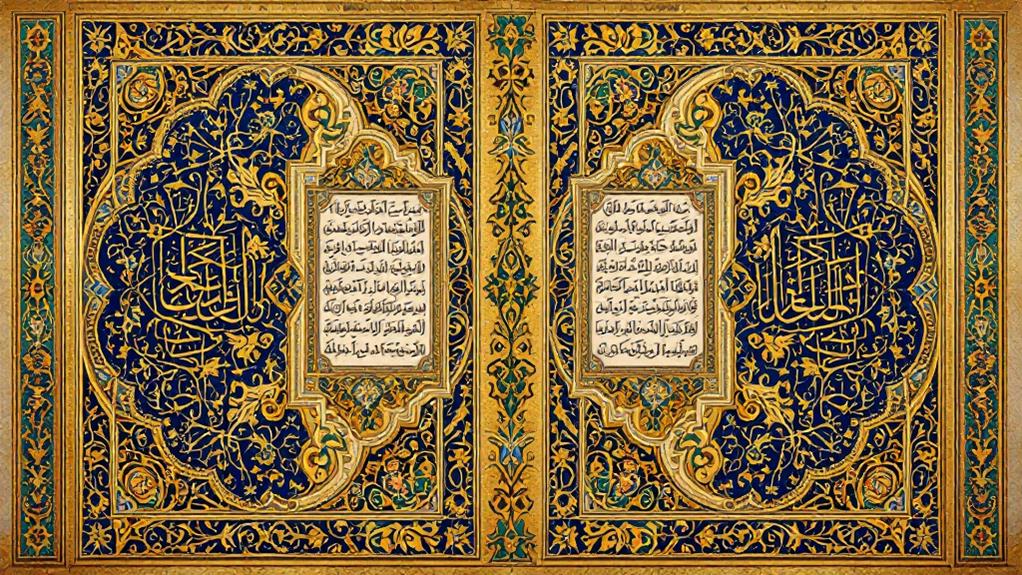
The rich tapestry woven from diverse cultural influences during the Islamic Golden Period continues to impact the world today. You might wonder how manuscripts from centuries ago still resonate in our modern time. Well, they've been a cornerstone for cultural preservation and have had a lasting educational impact. These manuscripts don't just sit in dusty archives; they breathe life into today's artistic and academic endeavors.
Consider the ways this legacy persists:
- Academic Inspiration: Scholars worldwide study these manuscripts to uncover knowledge lost through time, inspiring new interpretations and research.
- Artistic Influence: Contemporary artists draw from the intricate designs and motifs, integrating them into modern visual arts and design.
- Cultural Preservation: By preserving these manuscripts, you're safeguarding a rich history that offers insight into past societies and cultures.
- Digital Access: Technology has made these manuscripts more accessible, allowing you to examine them online and appreciate their beauty and knowledge.
- Educational Impact: They serve as fundamental learning tools in universities, enriching courses in history, art, and literature.
Related posts