The Impact of Folios on Today’s Publishing and Literature

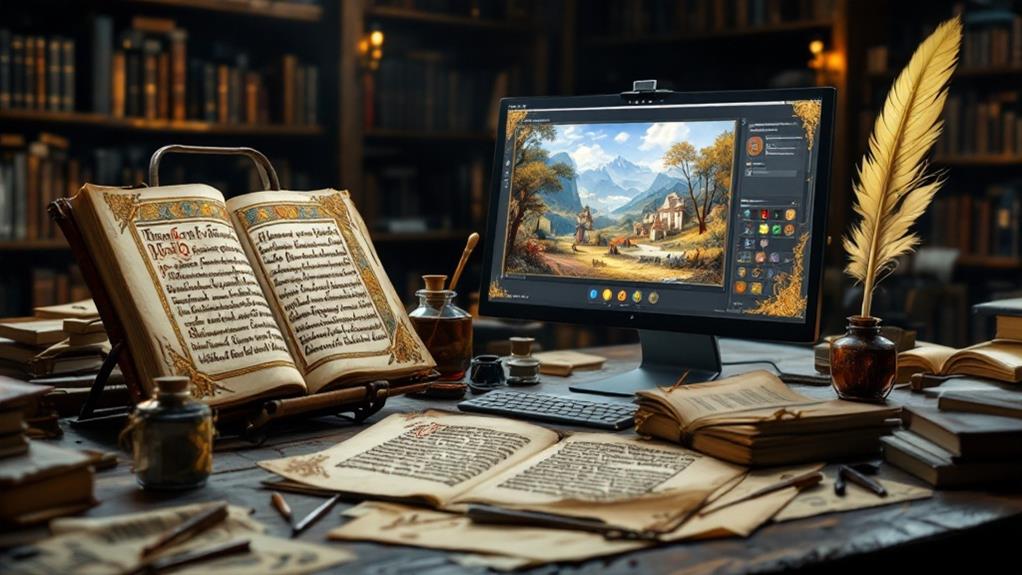
Folios have left a lasting mark on today's publishing and literature by driving a renaissance in craftsmanship and storytelling techniques. You'll see their influence in the exquisite design of modern books, with rich typography and detailed illustrations inspired by historical folios. They resonate with collectors for their artistic value and durability, impacting market trends and valuations. In the technological era, folio-inspired interactive features offer fresh ways to engage with stories, blending text with multimedia. This evolution makes literature more accessible and dynamic, inviting you to investigate further how folios continue shaping cultural narratives and reader experiences.
Evolution of Folio Editions
Throughout history, folio editions have undergone significant transformations that have shaped the publishing world. When you explore their historical significance, you see how these large-format books were once symbols of prestige and knowledge. Initially, only religious and scholarly texts were deemed worthy of the folio's grand scale. You can imagine how these editions, with their expansive pages, allowed for detailed illustrations and elaborate typography, which were vital in a period when visual appeal was as significant as the written word.
As time marched on, the design aesthetics of folio editions evolved considerably. You'd notice how the shift from hand-crafted manuscripts to printed folios brought about a new phase in book design. Printers began experimenting with typefaces and layouts, making each folio a unique work of art. This evolution was not merely about aesthetics but also about accessibility. Larger text and images made information more digestible, inviting a broader audience to engage with the content.
Today, when you look at historical folios, you're witnessing the confluence of art and literature, each edition a reflection of the period's cultural priorities and technological advancements. Their evolution reflects an ongoing dialogue between form and function in publishing.
Craftsmanship in Modern Publishing
In the current publishing world, the craftsmanship behind book creation has garnered renewed appreciation, echoing the artistry of past folio editions. You'll notice how publishers are embracing exquisite design aesthetics, turning books into visual storytelling masterpieces. Modern printing techniques allow for lively colors and detailed illustrations, capturing readers' imaginations just as folios once did.
When you pick up a well-crafted book, the material durability becomes immediately apparent. High-quality paper and sturdy covers guarantee that the book becomes a lasting gem on your shelf. Binding methods have evolved too, with publishers opting for techniques that not only improve durability but also add to the book's tactile experience. Whether it's traditional sewn bindings or cutting-edge glued spines, the care in construction is evident.
Typography choices play a significant role in modern publishing, impacting readability and comprehensive appeal. You'll find that publishers carefully select fonts that complement the book's theme and design, bridging content with form. This attention to detail improves the reader's experience, making every page a delight to investigate. As you investigate contemporary books, the blend of craftsmanship and technology creates a rich, engaging experience reminiscent of cherished folios.
Collectibility and Market Trends
Collectors are increasingly drawn to the unique blend of artistry and durability in modern books, mirroring the allure of classic folios. You're probably noticing how folio value has become a vital factor in the current collector market, especially as rare editions gain attention. Books aren't just for reading; they're investments, with their potential increasing as more people recognize their worth. When you consider the investment potential, it's clear why these folios command attention.
Pricing trends in the collector market fluctuate, often influenced by a book's condition, rarity, and historical significance. You might witness a particular edition's value skyrocket if it's part of a limited print or has a notable provenance. Understanding auction dynamics also plays an important role. These dynamics can shift rapidly, with bidding wars driving prices beyond initial estimates, highlighting the competitive nature of the market.
If you're exploring folio collecting, staying informed is vital. Keep an eye on upcoming auctions and market reports to spot trends and opportunities. By doing so, you'll be better prepared to make informed decisions, ensuring that your collection not only satisfies your passion but also holds strong investment potential.
Storytelling and Narrative Techniques
Narrative techniques breathe life into stories, transforming simple text into engaging experiences. As a reader, you're pulled into worlds crafted by visual storytelling and narrative innovation. Folios, with their rich illustrations and detailed layouts, improve this storytelling by acting as more than just written words. They become dynamic experiences where images and text interweave seamlessly, drawing you deeper into the narrative.
When you engage with a folio, you're not just reading; you're experiencing a story through multiple senses. This approach revitalizes classic tales, making them accessible and exciting in new ways. The blend of visual and textual elements creates a richer tapestry that captures your imagination and holds your attention.
Here's how folios improve storytelling and narrative techniques:
- Visual Storytelling: Folios use images to complement and improve the text, creating a multi-dimensional narrative experience.
- Narrative Innovation: They encourage experimenting with different narrative structures, offering fresh perspectives and interpretations.
- Immersive Experience: The combination of text and visuals allows you to plunge deeper into the story, engaging with it on a more personal level.
Folios continue to push the boundaries of storytelling, ensuring that literature remains a lively and evolving art form.
Folios in Digital Age

As you engage yourself in the technological age, folios are adapting and thriving in new, creative forms. Digital folios are transforming the way you experience literature. They're no longer just static pages but dynamic, interactive experiences that draw you into the narrative. By incorporating multimedia integration, such as videos, audio clips, and animations, digital folios enrich your reading experience beyond traditional text. This innovation boosts reader engagement, making stories come alive in ways you've never imagined before.
Publishing platforms are seizing this opportunity, offering tools to create and distribute digital folios that are both intriguing and accessible. These platforms enable authors and publishers to reach a wider audience by breaking down barriers that traditional books often face. However, with these advancements come accessibility issues. It's vital to guarantee that digital folios are designed inclusively so everyone can enjoy them, regardless of their abilities or technological access.
Related posts