The Book of Kells: An Icon of Medieval Art and Spirituality
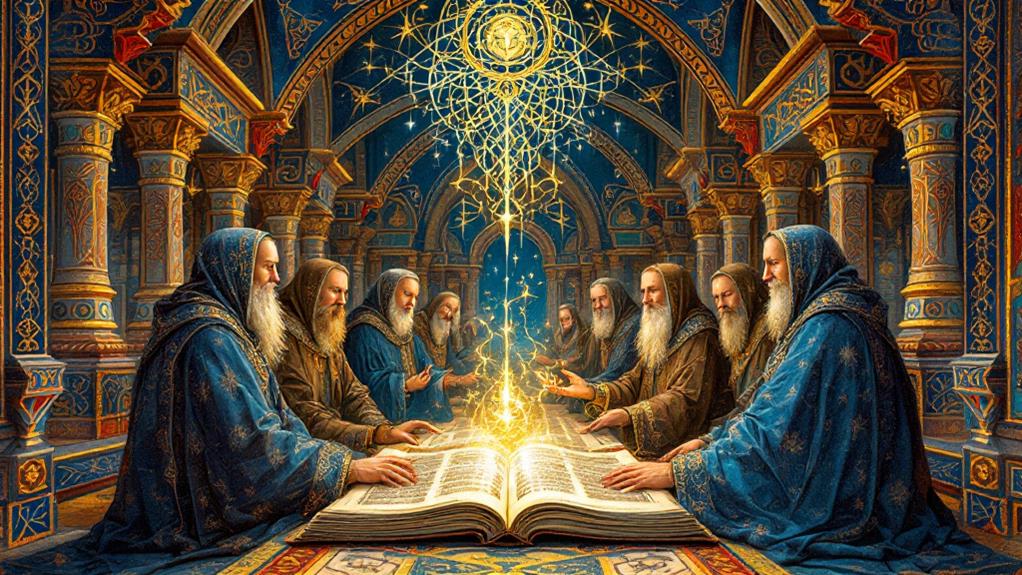
You're exploring the Book of Kells, a stunning fusion of medieval art and spiritual devotion crafted in the 9th century. Created by devoted monks, it blends lively Celtic motifs with Christian themes, highlighting a unique cultural tapestry. This illuminated manuscript captivates with its intricate interlacing patterns, vivid colors, and symbolic representations like the Chi-Rho, expressing Christ's divine presence. Its rich iconography and artistry influenced Europe, and careful preservation efforts keep this masterpiece accessible today. Now housed at Trinity College Dublin, its detailed craftsmanship and deep spiritual significance offer a glimpse into a time where art and faith were inseparable.
Historical Background
The allure of the Book of Kells lies not just in its intricate illustrations but also in its rich historical background. Imagine stepping into a world where monastic life was the center of learning and spirituality. Monks devoted their lives to preserving sacred texts, and the Book of Kells is a proof of their dedication. It emerged around the 9th century, during a time when Celtic tradition was flourishing across Ireland and Scotland. You'd find that the monasteries weren't just spiritual havens but also dynamic centers of culture and art.
In this period, the Celtic tradition played a significant role in shaping the identity of the region. It blended with Christian beliefs, forming a unique cultural tapestry that's evident in the Book of Kells. The monks, influenced by this rich tradition, carefully crafted the manuscript, infusing it with symbols and motifs that speak to a blend of pagan and Christian elements.
Artistic Techniques
Amidst the colorful pages of the Book of Kells, you'll uncover a masterful blend of artistic techniques that captivate the eyes and mind. This illuminated manuscript is renowned for its intricate Celtic motifs, which weave an enchanting tapestry of spirituality and artistry. As you investigate the pages, notice the interlacing patterns and elaborate knotwork that define its artistic style. These motifs are not just decorative; they reflect the complex symbolism and cultural heritage of their creators.
The Book of Kells uses color symbolism to convey deeper meanings and evoke emotions. Rich hues of red, blue, gold, and green dominate the manuscript, each carefully chosen to improve the spiritual narrative. Gold, for example, often signifies divinity and the heavenly domain, while green might symbolize rebirth and natural beauty. These lively colors are painstakingly applied to create a visual feast that draws you into its sacred stories.
The artistic styles found within the Book of Kells reveal a fusion of influences, from native Irish traditions to broader European trends. This eclectic blend showcases the adaptability and creativity of the artists, who transformed simple vellum pages into a timeless masterpiece of illuminated manuscripts.
Iconographic Significance
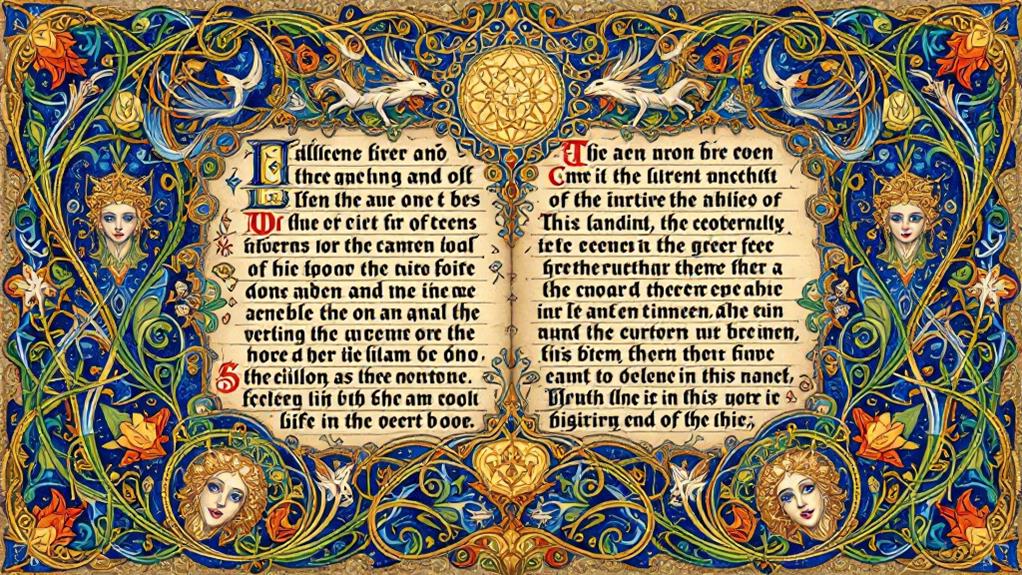
As you admire the intricate artistic techniques in the Book of Kells, it is crucial to examine the iconographic significance that enriches its pages. This illuminated manuscript is not just a display of artistic mastery but also a tapestry woven with deep iconographic themes and sacred imagery. The Book of Kells is a visual narrative, where every detail is purposefully designed to convey religious stories and symbolisms central to Christianity.
In these pages, you'll uncover a profound exploration of iconographic themes, like the portrayal of Christ, which is not merely representational but an embodiment of divine presence. The intricate Celtic knots and spirals aren't mere decorations; they symbolize the eternal and infinite nature of God's love. Animals like the lion, peacock, and fish appear throughout, each with its symbolic role, reflecting themes of resurrection, immortality, and faith.
Sacred imagery is carefully crafted, drawing you into a spiritual expedition. The Chi Rho page, for instance, transforms the initials of Christ into an elaborate design, emphasizing the sacredness of His name. By delving into these elements, you gain a deeper appreciation of the manuscript's spiritual depth.
Cultural Influences
Three distinct cultural influences converge in the Book of Kells, making it a fascinating tapestry of artistic and historical significance. Initially, you'll notice the lively Celtic motifs woven throughout its pages. These intricate designs echo the rich artistic heritage of Celtic tribes, highlighting their profound connection to nature and spirituality. The swirling patterns and interlaced forms are not just decorative; they embody the cultural preservation of a civilization deeply rooted in its artistic expression.
Next, consider the monastic culture that played a significant role in the book's creation. The Book of Kells was produced within a monastic community where religious symbolism was paramount. Monks dedicated their lives to spiritual significance, pouring devotion into every illuminated page. Their work exemplifies the artistic exchange between sacred texts and visual artistry, reflecting a commitment to faith and learning.
Manuscript Creation Process

While the cultural influences enrich the Book of Kells, understanding its creation process offers insight into the remarkable craftsmanship of this medieval masterpiece. You'll find that the expedition begins with the careful parchment preparation, where calfskin is thoroughly treated to provide the perfect canvas for the illuminated manuscripts. In the medieval scriptorium, practices were highly structured, with monastic labor dedicated to every aspect of the book's creation, ensuring each page was a work of art.
Pigment sourcing was another essential step. Artists used natural materials to create vivid colors, with some pigments imported from distant lands. This aspect highlights the artistic collaboration involved, as multiple experts contributed their skills to bring the Book of Kells to life. The intricate calligraphy styles showcase the scribes' religious devotion, as every letter was crafted with spiritual intent.
To summarize the key elements:
- Parchment Preparation: Calfskin treated for a flawless writing surface.
- Pigment Sourcing: Natural materials and imported pigments for bright illustrations.
- Artistic Collaboration: Scribes and artists worked together in spiritual harmony.
Understanding these elements reveals the extraordinary effort and devotion behind the Book of Kells.
Symbolism and Meaning
Often hailed as a trove of iconography, the Book of Kells is rich in symbolism and meaning that captures the spiritual essence of its time. When you investigate its pages, you'll find more than just artistic beauty; you'll encounter a lively tapestry of spiritual symbolism woven throughout its illustrations. Each intricate knot and swirling spiral on the vellum isn't merely decorative; they hold deep artistic meaning tied to the Christian faith.
In the Book of Kells, you'll notice the recurring use of the Chi-Rho symbol, a monogram representing Christ and a potent emblem of His divine presence. The artists used vivid colors and elaborate designs to convey the sacredness and importance of the Scriptures. You'll see how the use of animals, such as peacocks and lions, symbolize resurrection and strength, enriching your understanding of the text's spiritual messages.
The Book of Kells also offers you a glimpse into the medieval mindset, where art and faith intertwined seamlessly. Through its symbolism, you're invited to investigate a world where every brushstroke and detail served a spiritual purpose, connecting the earthly with the divine.
Preservation Efforts
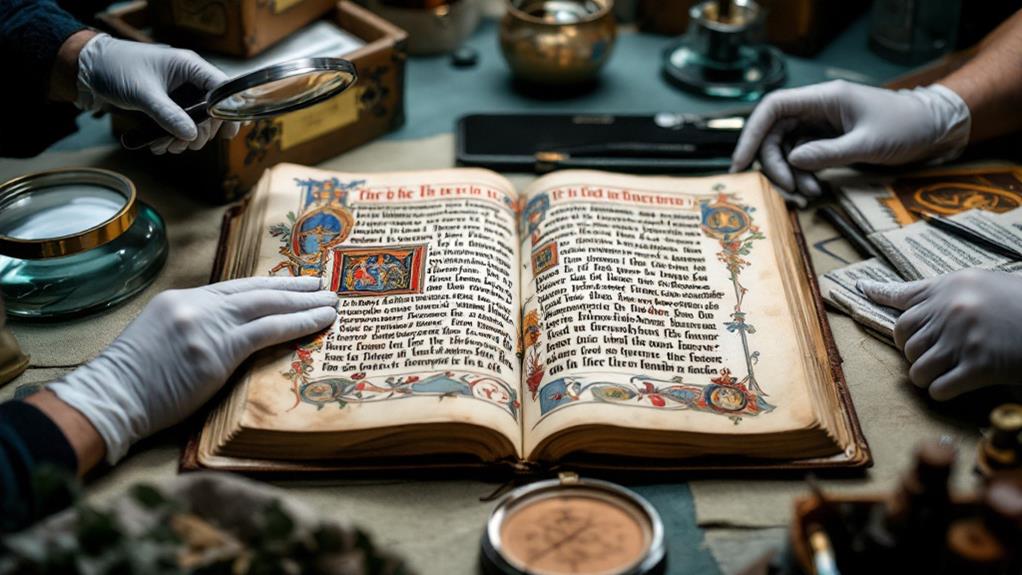
Guaranteeing the longevity of the Book of Kells requires careful preservation efforts, as this medieval masterpiece demands the utmost care. You must acknowledge the conservation challenges that come with maintaining such an ancient artifact. The delicate vellum pages and lively pigments face threats from environmental factors like humidity and light, which can cause irreversible damage. To combat these threats, conservators work tirelessly to stabilize the manuscript's condition.
Digitization efforts play an important role in preserving the Book of Kells. By creating high-quality digital copies, you help reduce the need for physical handling, minimizing wear and tear on the original pages. This digital preservation guarantees that scholars and enthusiasts can access the intricate designs and complex iconography without risking harm to the book itself.
Consider these key preservation strategies:
- Environmental Control: Maintain stable temperature and humidity levels to protect the vellum and pigments.
- Limited Exposure: Minimize light exposure to prevent fading and deterioration of colors.
- Regular Monitoring: Frequently assess the book's condition to identify and address any emerging issues.
Modern-Day Impact
Today, the Book of Kells captivates audiences worldwide not just for its historical significance but also for its influence on modern art and design. You'll find its intricate patterns and lively colors inspiring artists and designers across diverse mediums. Many contemporary works draw direct inspiration from its elaborate Celtic motifs and calligraphy. The Book of Kells serves as a dynamic bridge between the past and present, its artistic legacy continuing to spark creativity today.
In the technological era, the Book of Kells has become more accessible than ever. Digital accessibility allows you to investigate its pages from anywhere in the world. High-resolution images and interactive platforms bring the manuscript to life, offering you a closer look at its detailed illustrations. This accessibility improves your understanding and appreciation of this medieval masterpiece.
Furthermore, the Book of Kells is a valuable educational resource. Schools and universities incorporate it into their curricula, using it to teach students about medieval history, religious studies, and art. By studying this iconic work, you gain insights into the cultural and spiritual life of medieval Ireland. Its modern-day impact assures that the Book of Kells remains a relevant and enriching part of our cultural heritage.
Visiting the Book of Kells
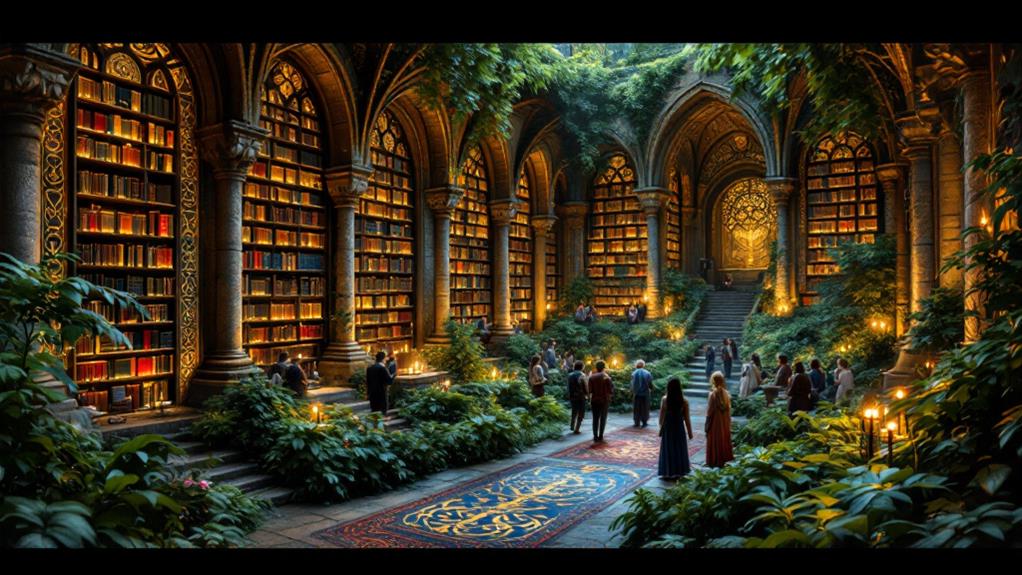
When you visit the Book of Kells, you're stepping into a world of lively history and artistry. Situated in the heart of Trinity College Dublin, this medieval manuscript invites you to investigate its intricate details and colorful hues. Your visitor experience is both educational and inspiring, offering a glimpse into the monastic life of the past. You'll find yourself captivated by the illuminated pages, each one a proof of the skill and devotion of its creators.
To improve your visit, consider joining one of the guided tours available. These tours provide valuable insights into the history and significance of the Book of Kells, enriching your understanding and appreciation of this masterpiece. An expert guide will walk you through the Old Library, where the manuscript is housed, and share fascinating stories that bring the ancient text to life.
- Plan ahead: Book your tickets in advance to avoid long queues and guarantee a smooth visit.
- Engage with exhibits: Investigate interactive displays that offer deeper context and showcase the artistry behind the manuscript.
- Allow time for reflection: Spend a moment in the Long Room, absorbing the grandeur of this historic library.
Your visit to the Book of Kells promises an unforgettable expedition into the past.
Related posts