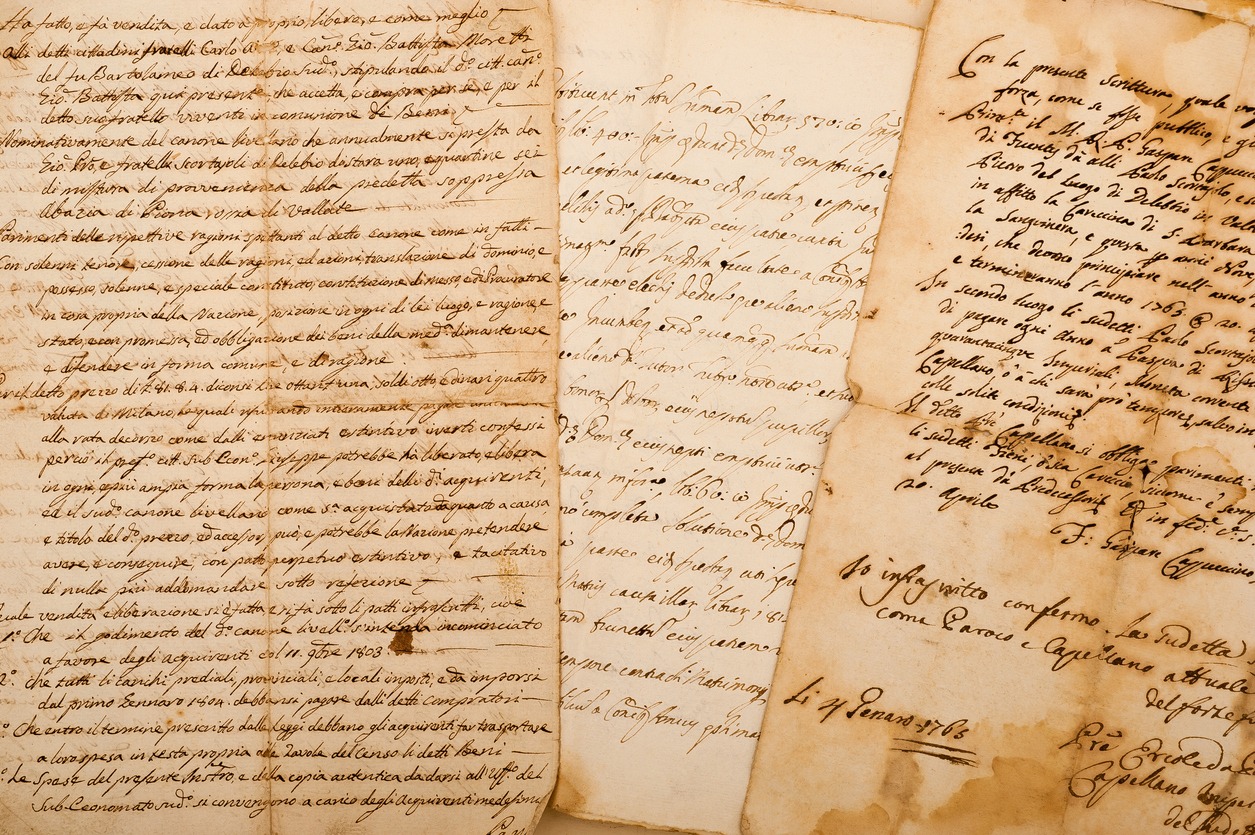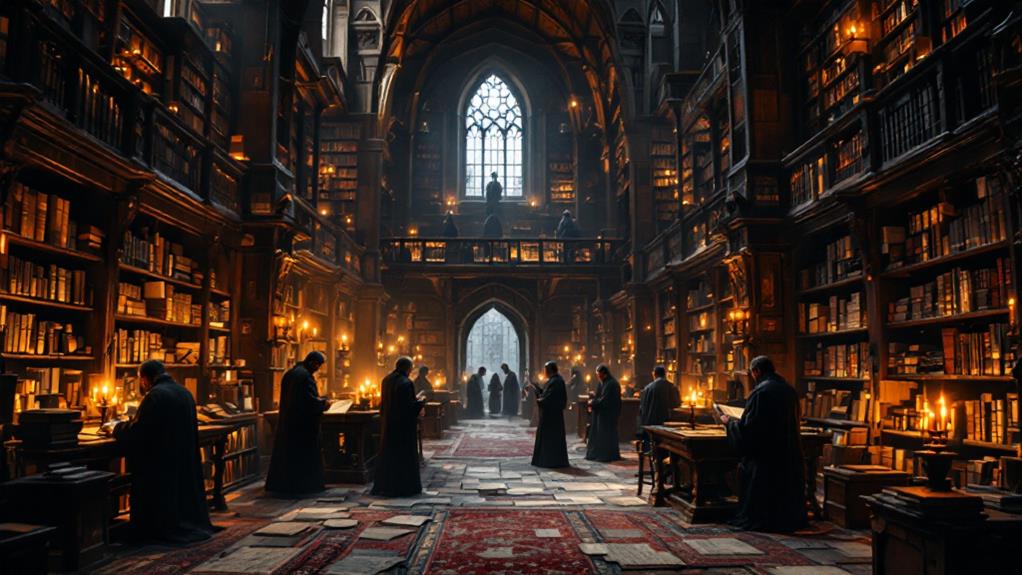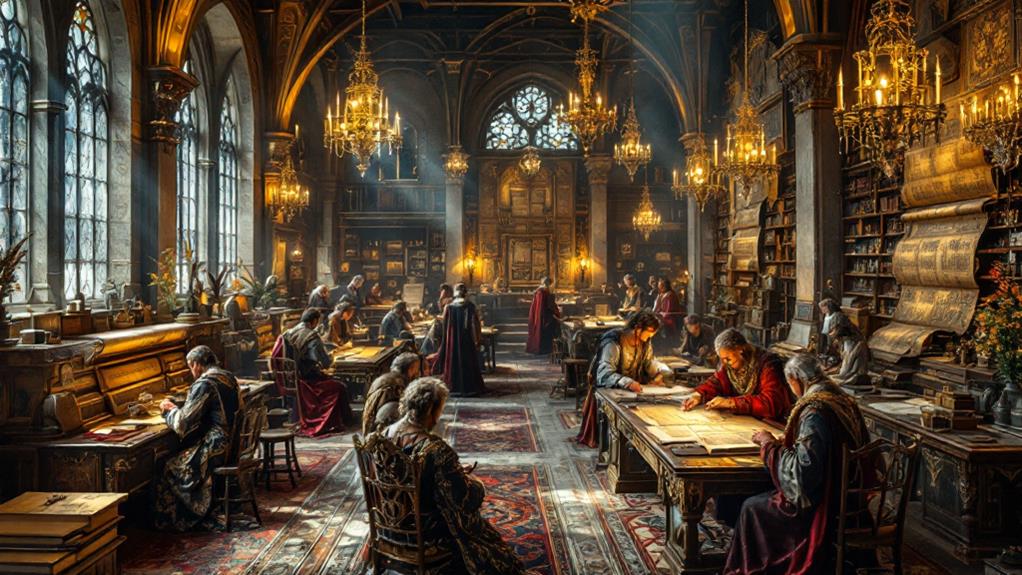
Texas-Themed Manuscript Art Prints and Folio-Inspired Decor
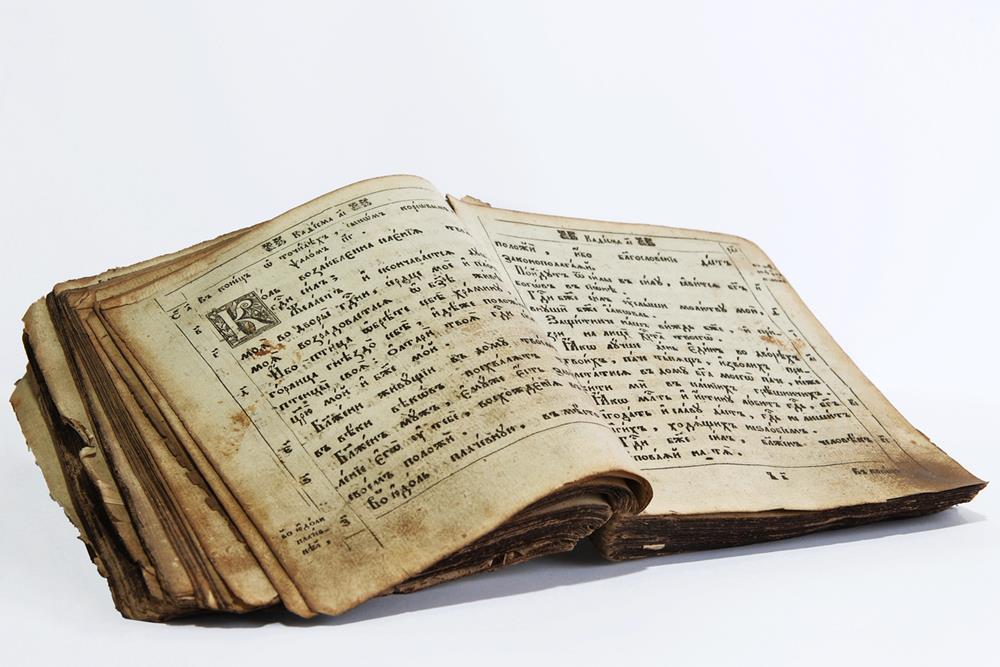
Texas-themed manuscript art prints blend rich colonial heritage with iconic state symbols, from Spanish documents to Berlandier's early-19th-century watercolors. You'll find high-quality reproductions featuring the Lone Star, bluebonnets, and historic battlefield imagery transformed through modern giclée printing techniques.
These decorative pieces connect your living space to Texas's visual storytelling tradition while preserving historical significance. Proper framing with UV-protective glass helps ensure your piece remains vibrant for generations, just as the stories they tell have endured.
The Historical Legacy of Texas Manuscript Art
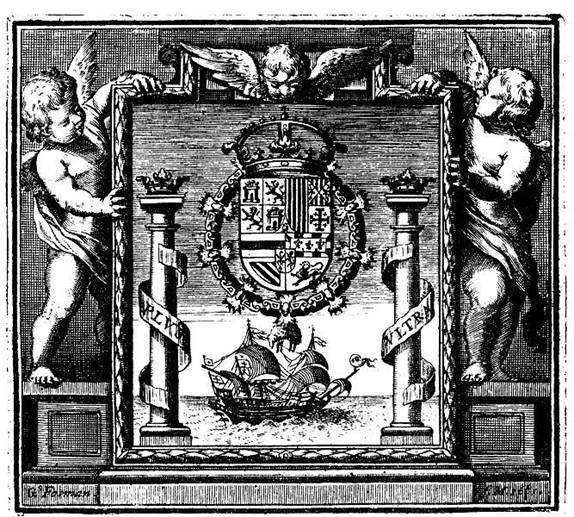
The rich tapestry of Texas manuscript art spans centuries, beginning with Spanish colonial documents that formed the foundation of the state's recorded history. You'll find early colonial cartography embedded within conquistador chronicles and missionary reports, offering glimpses into how Europeans visualized this vast frontier.
These historical treasures include early sixteenth-century royal cédulas and later documents from the Council of the Indies, complemented by the artistic works associated with naturalists like Jean Louis Berlandier.
His 1828 field survey produced invaluable watercolors depicting indigenous artistic traditions of numerous Texas tribes. The integration of indigenous and European artistic traditions became a defining characteristic of Spanish colonial art in Texas. These visual manuscripts preserved cultural heritage that might otherwise have been lost.
From royal cédulas to Inquisition orders, these documents aren't merely historical records—they're artistic achievements that continue to inspire contemporary Texas-themed decor and collectible art prints.
A trio of Berlandier-inspired botanical plates—wildflowers, grasses, and a fauna study—brings natural-history color that complements manuscript calligraphy across the room and ties your wall grouping to authentic fieldwork.
From Battlefield to Wall: Evolution of Texas Visual Storytelling
As Texas battled for its independence in 1835, visual storytelling emerged as a powerful force with iconic symbols like the defiant "Come and Take It" flag from Gonzales. This visual narrative tradition evolved from battlefield documentation to post-independence visual identities through newspapers, lithographs, and eventually photography.
You can trace this fascinating transformation through:
- Battlefield imagery that united settlers through flags and newspaper illustrations, creating a shared visual language of resistance
- Commemorative lithographs that transformed military sites into civic symbols, reinforcing community ownership of Texas heritage
- Early photographic preservation efforts that captured authentic landscapes and battle sites, providing more immediate connections to Texas history
This evolution reflects how Texans transformed their combat narratives into accessible decorative art that continues to shape your understanding of state identity today. For a coastal note, a restrained print set referencing the 1554 Padre Island wrecks—manifest fragments, coin rubbings, and a folio-style title card—adds texture without drifting from the Texas theme.
Lithographic Techniques That Preserved Texas Heritage
When stone met ink in late-18th-century lithography, a revolutionary method emerged—later vital in preserving Texas heritage. This chemical-based image technique captured 19th-century landscapes, events, and cultural moments, creating what's conceivably the most complete visual record of early Texas.
You'll find that printmaking craftsmanship was essential to this process—skilled artisans applied greasy ink to limestone plates, then treated them chemically to create hydrophobic and hydrophilic areas. Ink adhered only to drawn elements, transferring detailed images to paper when pressed.
These lithographs documented key historical events, battles, and portraits of notable Texans, disseminating Texas history broadly through mass production. Visitors to late-19th-century San Antonio fairs saw impressive printing displays from the Maverick-Clarke firm, a leading local lithographer of the era.
The technique's ability to produce multiple color layers added depth to these cultural artifacts, which now require careful preservation to protect their irreplaceable historical value.
Iconic Symbols and Motifs in Texas Decorative Prints
View this post on Instagram
Texas decorative prints don't merely document history—they embody it through a visual language all their own. When you display these artistic works in your home, you're showcasing the state's rich cultural tapestry.
The Lone Star emblem stands proudly alongside state bird symbolism like the mockingbird, creating a visual narrative of Texas pride. Modern prints often feature the state mushroom, Chorioactis geaster (Texas Star), which adds a subtle touch of natural beauty to collections.
Livestock-inspired designs, particularly the majestic Texas Longhorn, reflect the state's ranching heritage and frontier spirit.
Natural elements further enrich these decorative traditions:
- Bluebonnets paired with Indian Paintbrush create emotional connections to springtime memories
- Pecan tree motifs evoke feelings of home and generational roots
- Armadillo imagery adds whimsical charm while celebrating the state's unique wildlife
For smaller walls, reproduction notes of the Republic of Texas "Red Backs" (1839–1841) add period vignettes and guilloche that echo manuscript ornament without overpowering a gallery grid.
Transforming Historical Documents Into Home Decor Statements
Historical documents hold stories that deserve to be seen, not stored away in dusty archives. When transforming these Texas treasures into home decor statements, you're preserving history while creating distinctive design elements.
Consider high-resolution scanning and giclée printing to capture every intricate detail of a manuscript. These preservation techniques guarantee the original remains intact while producing museum-quality reproductions for your walls. For a room-by-room take on styling prints, this round-up of Texas kitchen wall art ideas shows how map silhouettes and minimalist layouts play nicely with manuscript-style pieces.
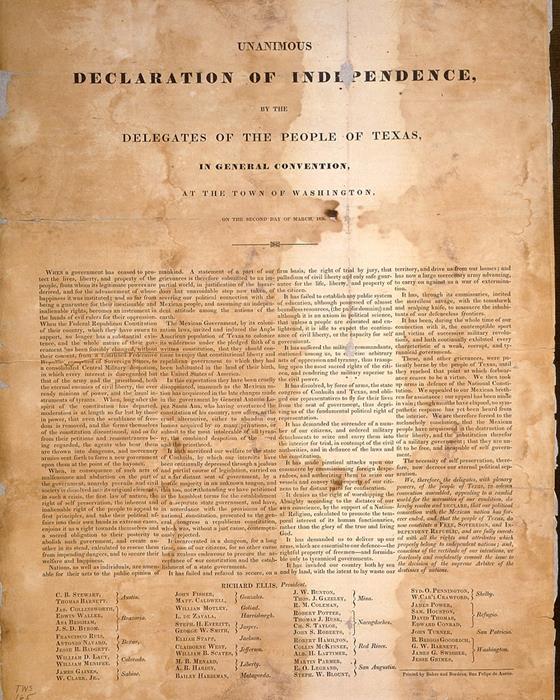
You may also want to consider a faithful print of the Texas Declaration of Independence (1836)—its bold script and signer array read beautifully in a floating frame with UV-protective glazing, and it pairs naturally with a small Republic of Texas map on the same corridor.
Professional restoration methods like deacidification and digital enhancement can revitalize faded documents without compromising authenticity. Modern AI tools can analyze and enhance natural materials from historical documents, preserving their original warmth while making them suitable for contemporary display.
Spanish-period land-grant pages from the Bexar Archives, especially with surviving seals, look museum-ready in acid-free double-mats; keep margins visible so the scribe's ruling lines and paper chain marks remain part of the piece's story.
For display, invest in UV-protective glass and acid-free matting to protect your pieces from environmental damage. You'll create the most impact by thoughtfully integrating these prints with complementary decor elements—perhaps pairing Republic of Texas documents with vintage maps or placing cattle brand registries alongside western artifacts for a cohesive, heritage-rich space.
Sourcing Authentic Texas-Themed Art for Personal Collections
Building a personal collection of authentic Texas-themed art requires both discernment and passion for the Lone Star State's rich cultural heritage. When seeking genuine pieces, trusted sources like the Charles Beckendorf Gallery and El Baker Art offer both originals and prints celebrating Texas landscapes, wildlife, and cultural icons.
These regional art galleries provide customized displays to match your specific aesthetic needs. Exploring El Baker's artwork, created right in Austin, adds authentic local artistry to any collection.
To guarantee you're acquiring authentic Texas art:
- Verify artist credentials—prioritize Texas-based creators with established reputations in portraying state themes
- Examine provenance documentation—look for certificates, signatures, or gallery authentication
- Consider subject matter authenticity—seek pieces featuring indigenous wildlife, historical landmarks, or genuine Texas flora
The Texas Capitol Gift Shop and the Bullock Texas State History Museum Store offer reliable options for historically significant pieces with institutional validation, perfect for collectors prioritizing heritage authenticity.
Master Artists Who Shaped Texas Visual Identity
While collecting authentic Texas art connects you to the state's heritage, understanding the master artists behind these works adds profound depth to your appreciation. Jerry Bywaters, a Dallas Nine member who directed the Dallas Museum of Fine Arts, shaped Texas's visual narrative through his modernist-regionalist approach and influential teaching at Southern Methodist University.
Olin Travis co-founded the Dallas Art Institute, one of the state's pivotal artistic educational institutions, blending his Chicago training with Texas sensibilities. Alexandre Hogue's environmental themes complemented these voices, as all three artists documented Texas's cultural identity through distinctive landscapes and portraiture.
These masters established a Texas style that stood apart from mainstream regional art movements by embracing local subjects while building the museums, publications, and educational frameworks that continue to nurture Texas's artistic legacy today. This artistic development paralleled the musical growth from figures like Buddy Holly and Roy Orbison, who similarly created iconic Texas sounds that influenced generations.
Incorporating Texas Manuscript Prints in Modern Interior Design
Texas manuscript prints serve as elegant bridges between historical significance and contemporary aesthetics when thoughtfully incorporated into modern homes. Consider pairing these historic pieces with rustic materials like reclaimed wood or leather to enhance warmth while adhering to key design principles of balance and contrast.
The earth tones prevalent in manuscript prints naturally create color harmony with contemporary matte finishes and natural elements. For a patriotic touch, consider "Texas by Parvez Taj," a fine-art UV-ink print on white wood featuring a fading Texas flag.
For maximum impact in your space:
- Position prints as focal points in entryways or studies to immediately establish a sense of Texan heritage
- Frame your manuscript art in floating frames made from sustainable materials like bamboo for depth and modern appeal
- Layer your display with textured textiles like wool or cowhide to create visual richness that complements the flat artwork
Related posts