
Teaching With Folios: Bringing Ancient Culture Into the Classroom
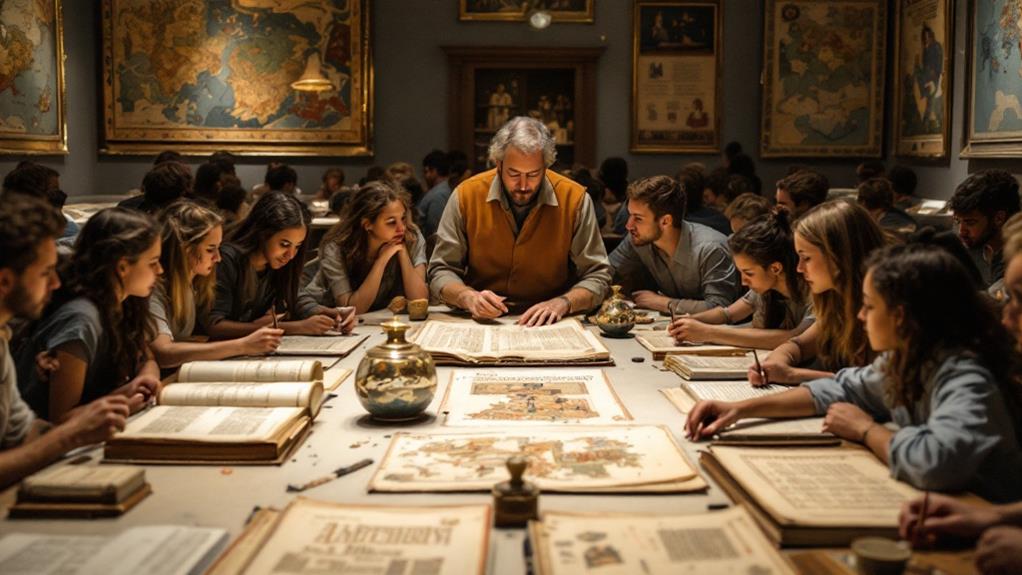
Teaching with folios engages your students in ancient culture, turning your classroom into a dynamic space of exploration. Folios, from medieval manuscripts to Renaissance works, act as bridges to history, sparking cross-cultural discussions and critical thinking. By selecting folios thoughtfully, you align lessons with your educational goals, using libraries and online archives for authentic sources. Encourage students to interact with the material through interactive activities and digital storytelling. These strategies improve cultural appreciation and bring history to life. As you continue, you'll uncover how to effectively integrate these fascinating resources into your teaching strategies, enriching every lesson.
Understanding Folios
To truly grasp the concept of folios, you must initially recognize their role as dynamic learning tools that can transform education. Folios aren't just ordinary collections of pages; they're lively conduits of knowledge that have been essential throughout history. By understanding folio formats, you can appreciate how these collections of documents have served as vital educational resources. Historically, folios have provided a structured way to compile and preserve information, making them invaluable in both academic and personal contexts.
The historical significance of folios is undeniable. These formats have been used for centuries, from medieval manuscripts to Renaissance literature, showcasing their adaptability in preserving cultural and intellectual heritage. When you examine different folio formats, you'll notice how they've evolved to meet the needs of diverse periods, encapsulating the essence of their times. This adaptability underscores their importance as tools for learning and understanding the past.
The Educational Value
Folios offer a wealth of educational value that enriches both teaching and learning experiences. By integrating folios into your curriculum, you're not just telling students about history; you're showing them tangible pieces of the past. These documents possess immense historical significance, making them perfect tools for helping students understand the context and culture of different periods. When students see the original handwriting, illustrations, and annotations, they gain insight into the thoughts and lives of people from that time.
Moreover, folios help build cross cultural connections. They allow students to compare and contrast different societies, fostering a deeper appreciation for global diversity. For instance, a folio from the Renaissance can open discussions about European art and science, while a manuscript from the Middle East might highlight advancements in mathematics or literature. Such comparisons encourage students to think critically about how cultures influence one another over time.
Incorporating folios into your lessons also helps develop critical thinking and analytical skills. Students learn to question sources, understand perspectives, and draw inferences based on evidence. This method of teaching transforms the classroom into a dynamic space where history comes alive, encouraging active participation and engagement.
Selecting the Right Folios
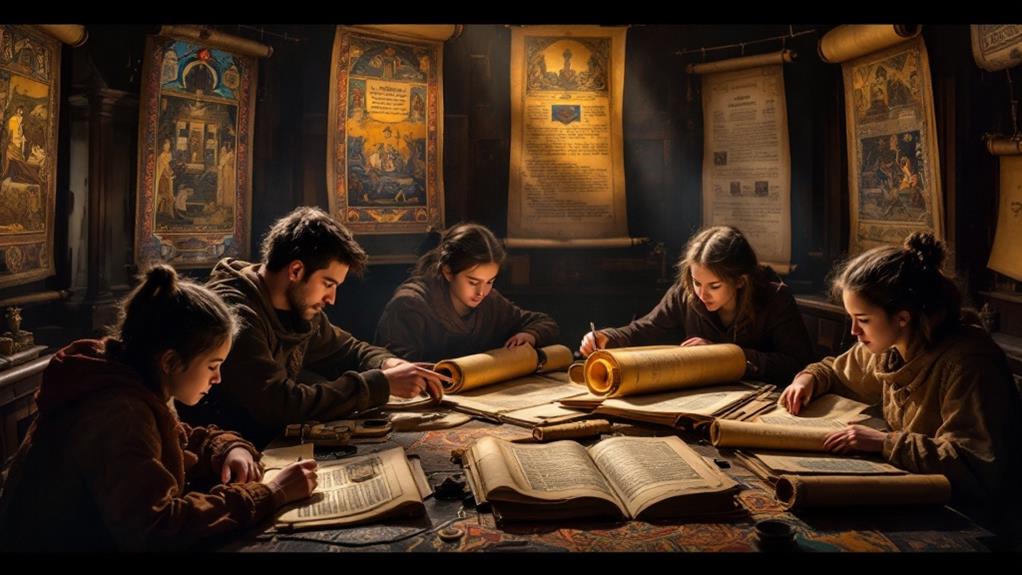
Choosing the right folios is crucial for maximizing their educational impact. To begin, identify the appropriate folio types that align with your teaching objectives. Folios come in different forms, such as illuminated manuscripts, historical documents, or artistic prints. Each type offers unique insights into ancient cultures, so consider what you're aiming to teach. For example, illuminated manuscripts can highlight artistic techniques and religious themes, while historical documents may provide context on societal norms and governance.
Next, investigate reliable folio sources to obtain these materials. Libraries, museums, and online archives are excellent starting points. Libraries and museums often have curated collections that can offer authentic and diverse folios. Online archives provide easy access to digital copies, making it possible to view high-resolution images without geographical constraints. Verify the credibility of your sources to confirm the folios are genuine and of educational value.
When selecting folios, consider the level of complexity suitable for your students. Younger audiences may benefit from visually engaging folios, while older students might appreciate more detailed and text-heavy options. By carefully selecting folio types and sourcing them from reputable folio sources, you improve the learning experience and bring ancient culture to life.
Integrating Folios in Lessons
Having selected the right folios, you can now focus on effectively integrating them into your lessons to enrich the learning experience. Start by exploring diverse folio formats, as each one can offer unique insights into cultural narratives and historical context. Regardless of if you're examining ancient maps or illuminated manuscripts, these formats serve as a foundation for visual storytelling, allowing students to connect deeply with the material.
Incorporate these folios into your lesson planning by aligning them with specific topics or themes. For instance, if you're teaching about the Renaissance, use folios that showcase the artistic expression of that period. This not only brings the subject to life but also fosters student engagement by relating historical facts to tangible artifacts.
Design classroom activities that encourage students to analyze and interpret the folios. You might create group discussions where students compare different folio formats or identify the cultural narratives depicted. Encourage them to think critically about how these narratives reflect the historical context of their creation.
Creating Interactive Experiences

To create interactive experiences with folios, consider how technology can transform your lessons into engaging, enthralling activities. Start by integrating digital storytelling to bring ancient texts to life. Use software that allows students to create visual narratives, making the stories more relatable and easier to understand. These digital tools offer engaging learning experiences that can deepen students' connection with historical content.
Incorporate hands-on activities and cultural simulations to improve understanding. For example, students can participate in role-playing exercises, embodying historical figures or characters from ancient texts. This approach not only makes learning fun but also encourages empathy and deeper insight into historical contexts.
Encourage collaborative projects where students work together on thematic exploration. Assign groups to research different cultural aspects, such as art, music, or literature, and present their findings through creative mediums. This kind of teamwork promotes diverse perspectives and fosters a community of learners who are actively engaged in the material.
Encouraging Critical Analysis
Critical analysis often serves as the cornerstone of effective learning, allowing students to deepen their understanding of folios beyond surface-level interpretations. By engaging in analytical thinking, students can investigate the cultural context and historical significance embedded within these ancient documents. Encourage them to use context clues and interpretive skills when examining the visual storytelling and thematic investigation present in each folio. This process transforms passive observation into active, critical engagement.
To foster this skill, guide students through a comparative analysis between different folios. This approach illuminates unique elements and broader themes, enhancing their grasp of the material. By identifying similarities and differences, students develop a nuanced understanding of the cultural and historical landscapes from which these documents emerged.
Consider these strategies to encourage critical analysis:
- Pose open-ended questions: Stimulate students' curiosity and promote deeper inquiry.
- Facilitate group discussions: Encourage diverse perspectives and collaborative problem-solving.
- Use visual aids: Help students decode complex imagery and symbolism.
- Assign reflective writing: Encourage personal connections and critical thought.
- Integrate multimedia resources: Provide varied contexts and enrich understanding.
Ultimately, cultivating these skills empowers students to appreciate the depth and richness of ancient cultures through their folios.
Fostering Cultural Appreciation

Investigating folios offers a unique window into the distinct tapestry of human culture, providing an invaluable opportunity to engage cultural appreciation among students. By probing into these ancient documents, you can help students investigate cultural heritage and artistic expression from different time periods and regions. This inquiry improves their understanding of historical context and highlights the significance of preserving these artifacts for future generations.
To foster cultural appreciation, involve students in community engagement activities, where they can interact with local cultural groups and gain firsthand insights. Encourage them to use comparative analysis to examine the differences and similarities between cultures, thereby broadening their perspectives. Introduce storytelling techniques that these folios often employ, allowing students to connect emotionally with the narratives and traditions embedded within.
Overcoming Challenges
While immersing students in cultural appreciation through folios offers enriching experiences, you may encounter several challenges in the process. Ensuring cultural relevance can be tricky, as students might struggle to see the connection between ancient cultures and modern life. You'll need to develop teaching strategies that maintain student engagement by linking the historical context of the folios to their current experiences. Balancing classroom dynamics also requires special attention, especially when fostering an environment conducive to collaborative learning.
An interdisciplinary approach can help bridge gaps, integrating subjects like history, art, and literature to make lessons more thorough. However, this approach can complicate assessment methods, as evaluating interdisciplinary outcomes is often less straightforward than traditional exams. You'll need to craft creative assessments that capture a range of skills and knowledge while aligning with your educational goals.
To overcome these challenges, consider the following:
- Connect folios to modern issues to highlight cultural relevance.
- Use diverse teaching strategies to cater to different learning styles.
- Encourage open dialogue to improve student engagement.
- Integrate subjects for a richer, interdisciplinary approach.
- Design varied assessments to reflect collaborative learning outcomes.
Resources and Tools
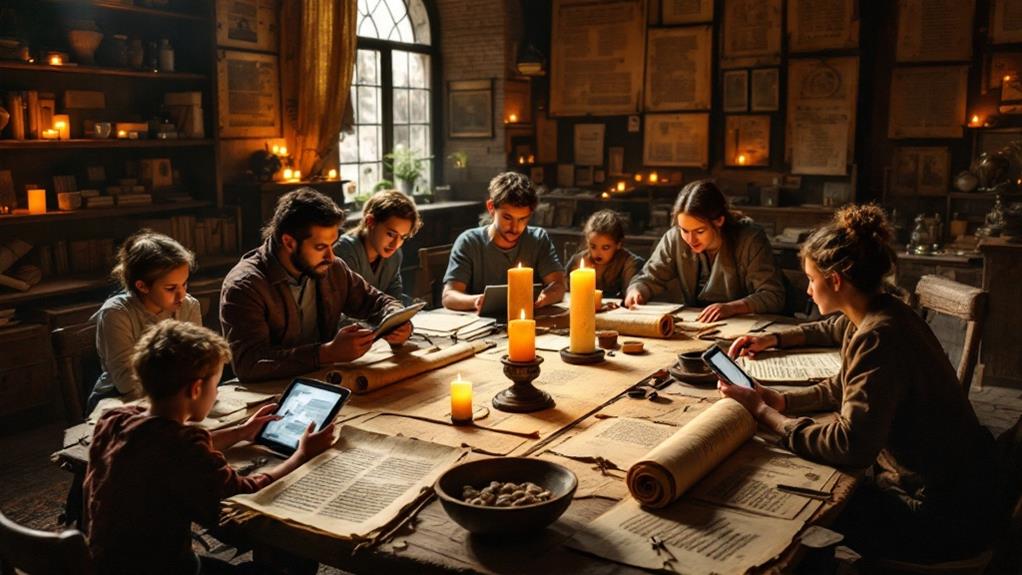
Numerous resources and tools are available to improve your teaching with folios, making the process both engaging and effective. Start with digital archives, which offer a wealth of ancient texts and manuscripts. Websites like the British Library or the Digital Public Library of America provide access to high-resolution images and detailed descriptions. These platforms allow you to bring authentic historical documents into your classroom, giving students a tangible connection to the past.
Incorporate collaborative projects to foster deeper understanding and engagement. Encourage students to work together to analyze folios, share insights, and create presentations. Tools like Google Workspace or Microsoft Teams facilitate seamless collaboration, enabling students to work on projects both in and out of the classroom. This collaborative approach not only improves learning but also develops crucial skills like teamwork and communication.
Additionally, consider using interactive platforms such as ThingLink or Padlet to create engaging, multimedia-rich lessons. These tools allow you to combine text, images, and videos, making ancient cultures come alive. By integrating these resources and tools, you'll create a dynamic learning environment that captivates your students and deepens their appreciation for ancient cultures.
Related posts