Protecting Our Heritage: Modern and Historic Techniques for Manuscript Preservation
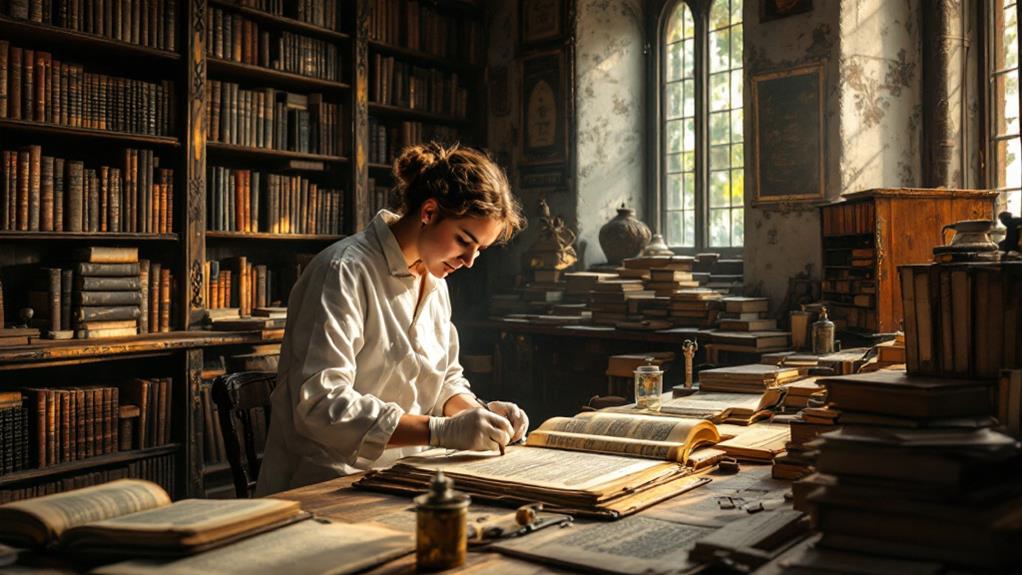
To protect manuscript heritage, you should blend modern and historic techniques. Start by guaranteeing proper handling and storing in acid-free materials to prevent degradation. Employ controlled climate conditions to maintain stability and deter pests using Integrated Pest Management. Investigate digital archiving to complement physical preservation, allowing high accessibility and backup options. Use modern materials like polyester films and synthetic adhesives for added protection, and engage in photographic documentation to create quality records. Training future conservators with a mix of traditional and modern skills is essential. This balance guarantees manuscripts endure, revealing more about effective manuscript preservation methods.
Understanding Manuscript Vulnerabilities
Understanding manuscript vulnerabilities is crucial if you want to guarantee their longevity. Manuscripts, regardless of being historical or contemporary, face numerous threats that can compromise their integrity over time. One of the primary concerns is ink degradation. Many older manuscripts were written with iron gall ink, which, over time, can corrode the paper it was applied to. This ink degradation can cause text to fade or even disappear completely, threatening the manuscript's informational value and aesthetic quality.
Another significant factor is paper acidity. The acidity levels in paper can increase over time, especially if the paper was originally made with acidic materials. High acidity can lead to brittleness and eventual disintegration, putting the manuscript at risk of irreversible damage. You might notice yellowing or that the pages become fragile to the touch.
Traditional Conservation Techniques
Traditional conservation techniques have long played an essential role in preserving manuscripts for future generations. When you're dealing with fragile and aging paper, you need to evaluate methods that respect the original materials while ensuring their longevity. One fundamental step is proper handling; always use clean hands or gloves to prevent oils and dirt from accelerating paper aging. You might also use acid-free materials for storage, like boxes and folders, to slow down the natural deterioration process.
Incorporating conservation ethics is significant when you're working on these projects. It means you should prioritize minimal intervention, ensuring that any treatment is reversible. This way, future conservators can re-evaluate and update preservation methods as needed without compromising the manuscript's integrity. Cleaning manuscripts gently to remove dirt and mold, using soft brushes or specialized erasers, is another traditional technique that reflects these ethics.
Humidity and temperature control are imperative, too. By maintaining a stable environment, you can prevent further damage caused by fluctuations. Even simple measures, like avoiding direct sunlight, can help. These traditional methods, grounded in respect for the original work, continue to safeguard our cultural heritage effectively.
The Art of Bookbinding

Preserving manuscripts isn't just about maintaining the content; it's also about keeping the physical structure intact, and that's where the art of bookbinding comes in. Bookbinding is a detailed craft that not only safeguards the pages but also reflects the manuscript's cultural significance. As you investigate bookbinding, you'll uncover unique binding methods that vary across regions and periods, each telling its own story.
You might examine Coptic binding, which dates back to the 2nd century and is known for its durability and flexibility. This technique uses visible stitching, allowing books to open flat, making it perfect for preserving fragile manuscripts. Or, consider the intricacies of Japanese stab binding, characterized by its decorative stitching patterns that double as both functional and aesthetic elements.
As you practice these methods, you'll appreciate how each binding style is a proof of the cultural identity and technological advancements of its time. The choice of materials—from leather to cloth—and the stitching techniques used are integral to the manuscript's preservation. By mastering the art of bookbinding, you contribute to the ongoing narrative of history, ensuring that these valued documents remain intact for future generations.
Importance of Climate Control
In relation to manuscript preservation, climate control plays a vital role in maintaining the integrity of these valuable documents. You must ascertain that temperature regulation, humidity control, and air filtration are effectively managed to prevent deterioration. Without these, manuscripts can warp, fade, or even become illegible over time. Consider the impact of light exposure, since excessive light can cause fading and damage.
- Temperature regulation: Keeping a consistent temperature prevents warping and brittleness.
- Humidity control: Excess moisture can cause mold, while too little can make materials brittle.
- Air filtration: Proper filtration keeps dust and pollutants from settling on manuscripts.
Environmental monitoring is significant. It allows you to track changes and make seasonal adjustments to maintain ideal conditions. Different climate zones require tailored storage solutions, as variations in temperature and humidity can be drastic. Storing manuscripts in a controlled environment will extend their lifespan and preserve their historical value.
Pest Management Strategies

When considering manuscript preservation, addressing pest management is crucial to prevent physical damage caused by insects and rodents. You need to adopt strategies that safeguard these valuable documents from pests that can gnaw, chew, and infest. One effective approach is integrated pest management (IPM), which combines numerous practices to keep pests at bay while minimizing chemical use. This method involves monitoring for signs of infestation, identifying pests correctly, and employing targeted interventions.
You can start by maintaining a clean environment, as clutter provides hiding spots and food for pests. Regularly inspect storage areas and promptly address any signs of pest activity. Use physical barriers like sealed containers to protect manuscripts from direct contact with unwanted creatures. Furthermore, consider environmental modifications such as controlling humidity, which can deter pests like silverfish and booklice.
For a more natural approach, biological control can be an option. This involves using natural predators to control pest populations, reducing the reliance on chemical pesticides. For instance, certain wasps are known to prey on book-eating insects. By applying these strategies, you'll create a robust pest management plan that effectively preserves your valuable manuscripts for future generations.
Advanced Cleaning Methods
Having addressed pest management, it's time to focus on advanced cleaning methods to guarantee the longevity of your manuscripts. To maintain the integrity of these precious documents, it's vital to employ techniques that remove dirt and stains without causing further damage. One effective approach is chemical cleaning, which involves using gentle solvents specifically designed for the delicate nature of manuscript materials. This method requires a careful selection of chemicals to make sure that they don't react negatively with inks or paper.
Another groundbreaking technique is enzymatic treatments. These are particularly useful for breaking down organic residues like protein-based stains or adhesive residues. Enzymes act selectively, targeting unwanted substances without harming the manuscript itself. This precision makes enzymatic treatments an invaluable tool in your preservation arsenal.
To help you decide among different cleaning methods, consider the following:
- Material Sensitivity: Understand the manuscript's material composition to avoid adverse reactions.
- Stain Type: Identify if stains are organic or inorganic to choose the appropriate cleaning method.
- Skill Level: Assess if professional intervention is needed, especially for chemical cleaning.
Digital Archiving Solutions
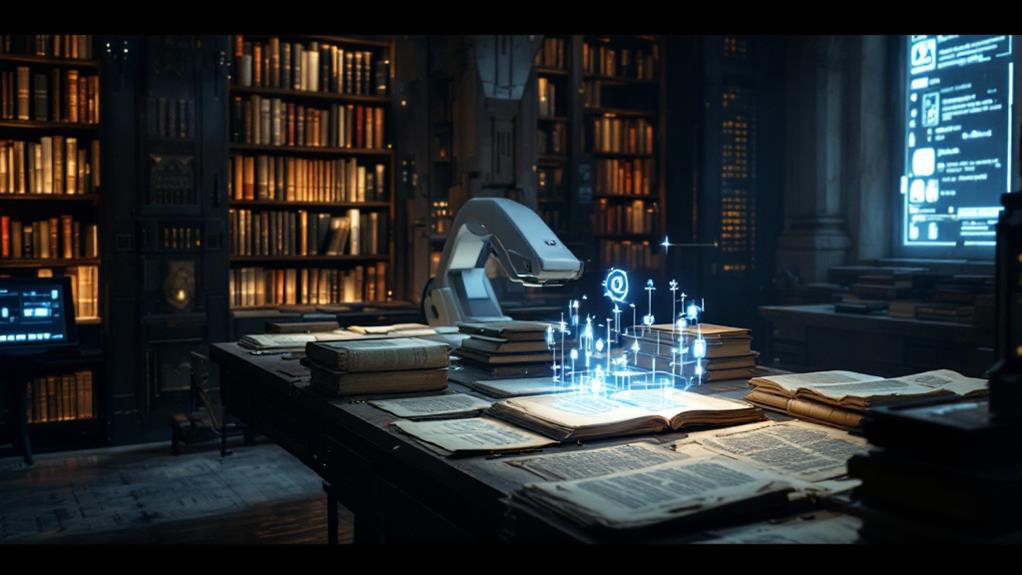
Digital archiving solutions, through and beyond traditional methods, are crucial for preserving the content of manuscripts in a format that withstands time and technological changes. As a custodian of valuable documents, you need to take into account digital preservation as a strategic approach. It guarantees that the information in manuscripts remains accessible despite the inevitable decay of physical materials. By using archival software, you can create digital copies that are both reliable and secure.
To start, select the right archival software that suits your needs. This software should provide robust features for organizing, managing, and retrieving digital manuscripts. The software often comes with metadata capabilities, enabling you to tag and categorize documents for easy access. Make certain the software supports different file formats to accommodate diverse types of manuscripts.
Photographic Documentation Practices
While digital archiving secures the longevity of manuscripts, capturing high-quality images of these documents plays a significant role in their preservation. By using photographic documentation, you create a visual record that can serve as a backup, aid in research, and provide access to fragile items without risking physical damage. To guarantee effective documentation, focus on these key aspects:
- Image Quality: Use high-resolution cameras and proper lighting to capture images that reveal fine details. Pay attention to the settings to avoid glare or shadows that could distort crucial features.
- Metadata Standards: Organize your images by adhering to recognized metadata standards. This practice guarantees that each photograph is accurately described, making it easier to retrieve and understand later. Include details such as the manuscript's title, date, and condition.
- Consistency: Develop a standard procedure for photographing manuscripts. Regardless of the angle, distance, or lighting setup, maintaining uniformity across images aids in comparison and analysis.
Use of Modern Materials
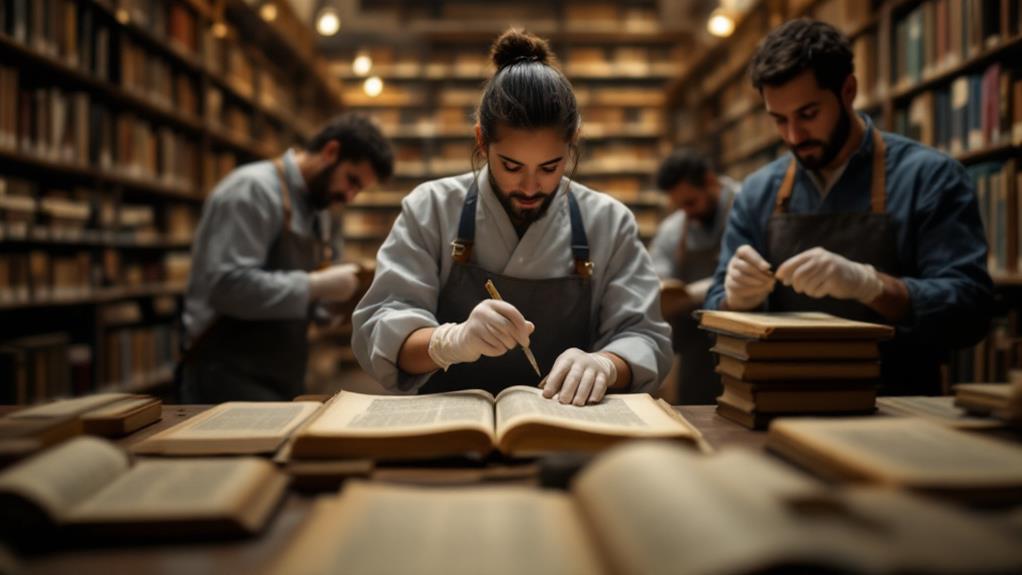
Preservation of manuscripts has evolved with the introduction of modern materials like acid-free paper and polyester film. These innovations greatly improve the longevity and integrity of precious documents. You no longer have to worry about the deterioration caused by acidic materials, as acid-free paper prevents yellowing and brittleness. Polyester film, on the other hand, provides a stable and clear protective layer, safeguarding fragile pages from physical damage.
In addition to these materials, synthetic adhesives play an important role. Unlike traditional adhesives, synthetic options don't contribute to the degradation of manuscripts. They offer strong, long-lasting bonds without the risk of discoloration or residue over time. This means you can confidently repair and reinforce your manuscripts, preserving their original structure and appearance.
For effective preservation, proper archival storage is vital. By using acid-free boxes and folders, you can create an environment that shields your manuscripts from environmental threats like humidity and dust. The combination of modern materials and thoughtful storage solutions guarantees that your collection remains accessible and well-preserved for future generations. Embracing these contemporary techniques empowers you to protect and cherish your heritage with confidence.
Training Future Conservators
As the preservation of manuscripts continues to benefit from modern materials, the need to train future conservators becomes increasingly important. You play an essential role in ensuring that these invaluable pieces of history are preserved for future generations. It's imperative to focus on thorough training programs that blend traditional skills with cutting-edge techniques. By participating in mentorship programs, you gain hands-on experience and insights from seasoned professionals. These programs help you understand the nuances of both modern and historic preservation methods.
Consider these key components for training:
- Mentorship Programs: Learn directly from experts in the field who can guide you through practical challenges and solutions.
- Conservation Ethics: Develop a strong ethical framework to make informed decisions that respect the manuscript's integrity and historical context.
- Interdisciplinary Learning: Engage with related fields such as chemistry, art history, and digital technology to broaden your skill set.
Related posts