Illuminated Manuscripts in Different Cultures: A Global Perspective
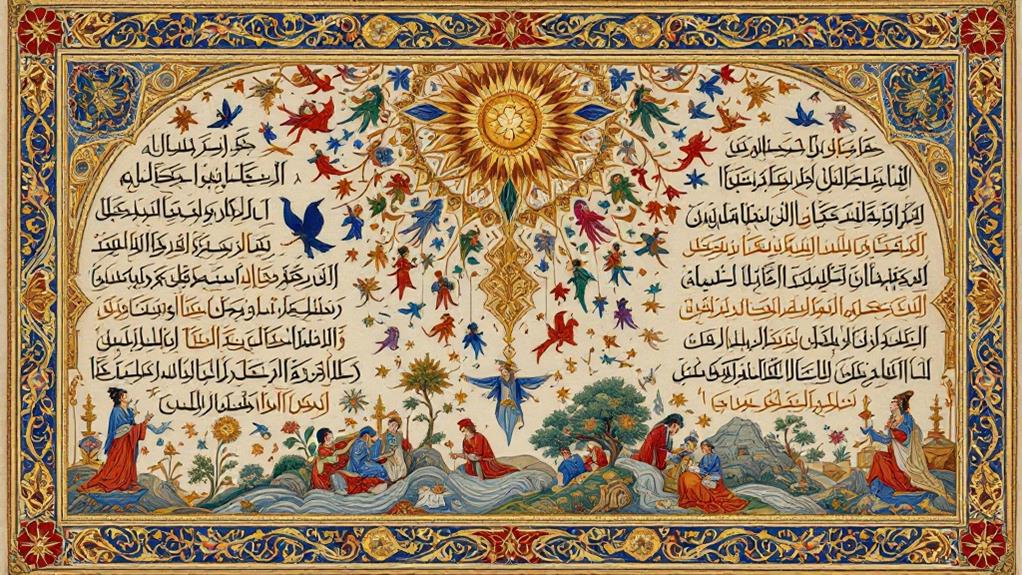
You'll uncover that illuminated manuscripts are more than just ancient documents; they're vivid reflections of diverse cultures and artistic expressions. Medieval Europe featured intricate Gothic designs, while Byzantine works glimmered with gold and religious imagery. Islamic manuscripts transformed calligraphy into art, and Persian miniatures blended poetry with vivid visuals. In India, stories came alive through colorful Mughal illustrations, and East Asian works combined detailed scrolls with profound textual wisdom. African and Pre-Columbian scripts embody rich traditions and history. Each region's unique approach reveals much about their heritage and worldview. There's so much more to explore in these enchanting relics.
Origins of Illuminated Manuscripts
Have you ever wondered how illuminated manuscripts came to be? These fascinating artifacts emerged from distinct historical contexts, reflecting the cultural significance of the written word across civilizations. Their origins can be traced to the interplay of religious influences and artistic techniques. In multiple cultures, religious texts were embellished with intricate designs to honor the divine, using materials like parchment, gold leaf, and lively pigments.
The materials used in these manuscripts were carefully chosen for their durability and aesthetic appeal, playing a significant role in their preservation methods. Technological advancements over time improved these techniques, allowing scribes to create more elaborate designs. Regional variations in style and content arose due to differing patronage systems, with wealthy patrons commissioning works that reflected their values and societal impact.
The societal impact of illuminated manuscripts was profound, as they were not just religious artifacts but also educational tools and symbols of power. They served as vessels of knowledge, recording the cultural achievements and beliefs of their time. As you investigate the origins of illuminated manuscripts, consider how these elements combined to create works that continue to captivate and inspire us today.
Medieval European Manuscripts
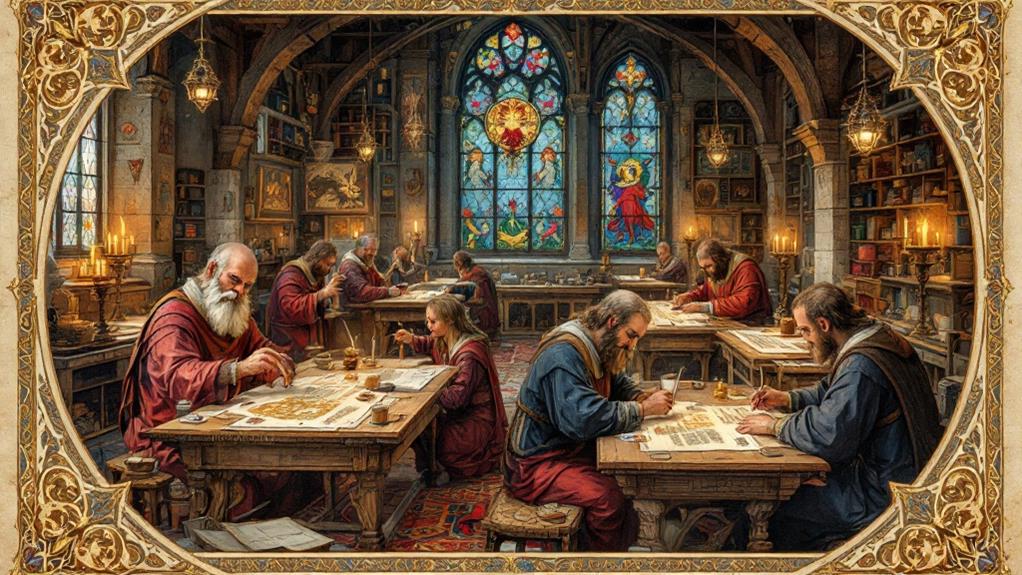
Exploring the world of medieval European manuscripts reveals a rich tapestry of artistic and cultural expression. You'll uncover that these manuscripts, crafted between the 8th and 15th centuries, are not just books but masterpieces that reflect the period's religious and intellectual fervor. The process of manuscript production was labor-intensive, involving scribes, illuminators, and binders who worked painstakingly to create these beautiful artifacts. From the selection of parchment to the application of ink and gold leaf, every step demanded precision and skill.
Gothic ornamentation is a hallmark of these manuscripts, characterized by intricate designs, vivid colors, and elaborate initials. You can often spot scenes from the Bible or daily medieval life depicted in the margins, offering a glimpse into the world as seen through the eyes of medieval Europeans. This attention to detail wasn't merely decorative; it served to improve the reader's spiritual and intellectual engagement with the text.
In exploring these manuscripts, you'll find that they were central to the dissemination of knowledge, playing a significant role in both religious and educational contexts. Their beauty and complexity continue to captivate historians, art lovers, and anyone interested in the legacy of medieval Europe.
Byzantine Artistic Traditions
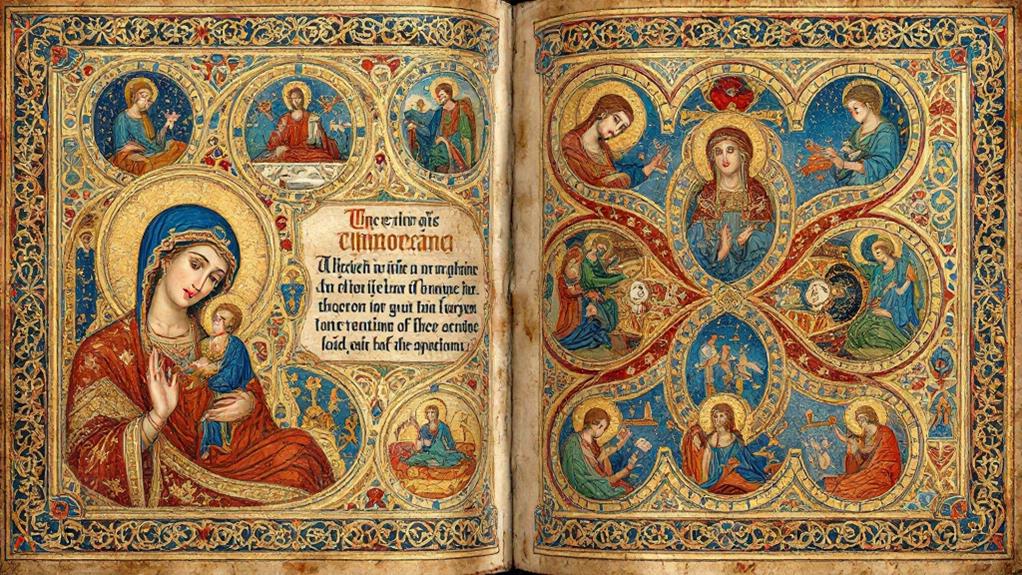
Diving into Byzantine artistic traditions, you'll quickly notice their profound influence on illuminated manuscripts, particularly between the 4th and 15th centuries. The Byzantine Empire, with its rich cultural heritage, set the stage for a unique artistic style that fused religious devotion with intricate detail. Byzantine iconography is a cornerstone of this art, where images of Christ, the Virgin Mary, and saints are depicted with a deep sense of spirituality and divine presence.
Byzantine aesthetics are characterized by lavish use of gold and vivid colors, which symbolize heavenly light and divine glory. This distinct style is prevalent throughout Byzantine manuscripts, where each page becomes a visual representation of the empire's theological beliefs. You'll find that every image is steeped in Byzantine symbolism, conveying messages that transcend mere words.
- Intricate mosaics depict biblical scenes with unparalleled depth and meaning.
- Byzantine manuscripts often feature elaborate borders and dazzling miniatures.
- Theological themes are woven into every aspect of Byzantine art, reflecting deep spiritual insights.
Islamic Calligraphy and Illumination
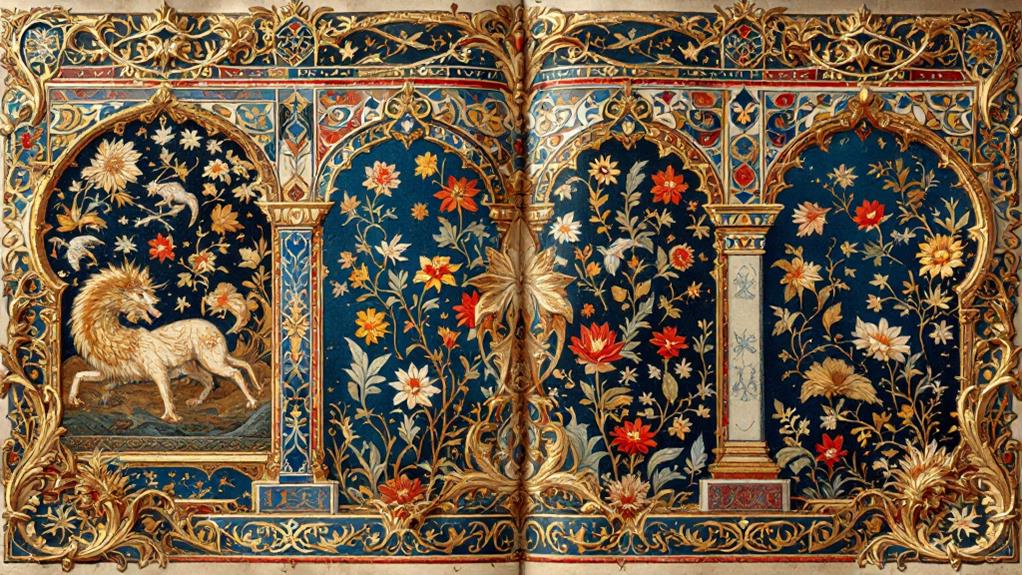
When you investigate the world of Islamic calligraphy and illumination, you'll encounter an art form where text transcends its literal meaning to become a visual feast. The Arabic script isn't just a tool for communication; it's an artistic medium rich in symbolism. You'll find an array of calligraphic styles, each with its own historical context and cultural significance. From Kufic's angularity to the fluidity of Naskh, these styles have evolved over centuries, each reflecting the time and region of its creation.
Artistic techniques in Islamic manuscripts often involve intricate geometric patterns and lively colors, adding depth and beauty to religious texts. The cultural significance of these works is profound, as they're not merely decorative but serve as expressions of faith and devotion. Manuscript preservation has always been essential in maintaining the integrity of these works, ensuring that future generations can appreciate their artistry.
Commissioned works often highlight regional variations, showcasing the diverse artistic traditions within the Islamic world. Regardless of whether it's a Quranic manuscript or a secular text, the artistic symbolism imbued in these works speaks volumes about the values and beliefs of their creators, offering you a window into a rich cultural heritage.
Persian Manuscript Elegance
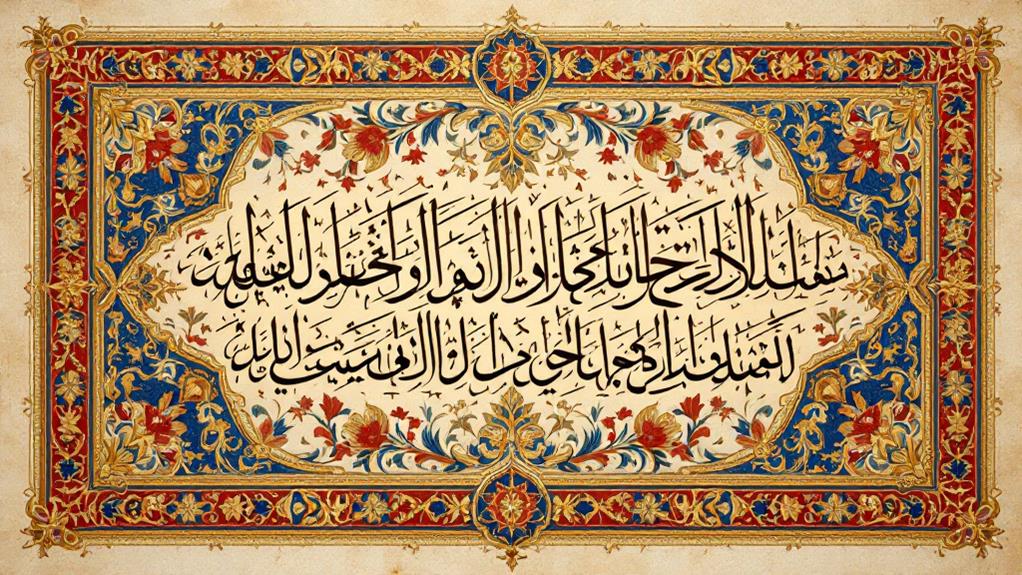
In the domain of Persian manuscript elegance, one uncovers an enthralling interplay of art and literature that has enchanted scholars and art lovers alike. As you investigate these manuscripts, you'll appreciate the intricate Persian miniatures crafted with unmatched artistic techniques. These miniatures not only illustrate poetic themes but also embody deep cultural symbolism, often supported by royal patronage. The materials used in these manuscripts—fine paper, gold leaf, and lively pigments—reflect the opulence and careful craftsmanship that define Persian art.
Plunging deeper, you'll find that these manuscripts are a window into the historical context of Persia, revealing stories of dynasties and literary greats. They chronicle the period's aesthetic preferences and intellectual pursuits, offering a glimpse into a world where art and literature were inextricably linked.
- Discover the diverse manuscript materials that bring Persian stories to life.
- Understand the cultural symbolism interwoven with poetic themes and royal influences.
- Appreciate the artistic techniques that uplift Persian miniatures to unparalleled beauty.
However, these masterpieces face preservation challenges. The delicate materials and intricate artworks must be carefully maintained, ensuring future generations can continue to marvel at their elegance and historical significance.
Indian Illustrated Texts
Indian illustrated texts captivate with their colorful storytelling and intricate designs. You'll find that these texts often weave together lively imagery with rich narratives, regardless of whether they're depicting Indian epics or religious texts. One of the most famous forms is the Mughal miniatures, which showcase exceptional artistic techniques and cultural symbolism. These miniatures often illustrate scenes from historical contexts, capturing the grandeur and sophistication of the Mughal period.
As you investigate further, you'll notice the diversity in regional variations. Each region in India brings its own unique flair to illustrated texts, reflecting its local traditions and artistic styles. Whether it's the vivid colors of Rajasthan or the delicate brushwork of Bengal, every piece tells a story shaped by its surroundings.
Manuscript preservation plays a vital role in protecting these gems, ensuring that centuries-old storytelling traditions continue to inspire contemporary adaptations. While the techniques may have evolved, the essence of these ancient narratives remains, bridging the past with the present.
East Asian Scrolls and Books
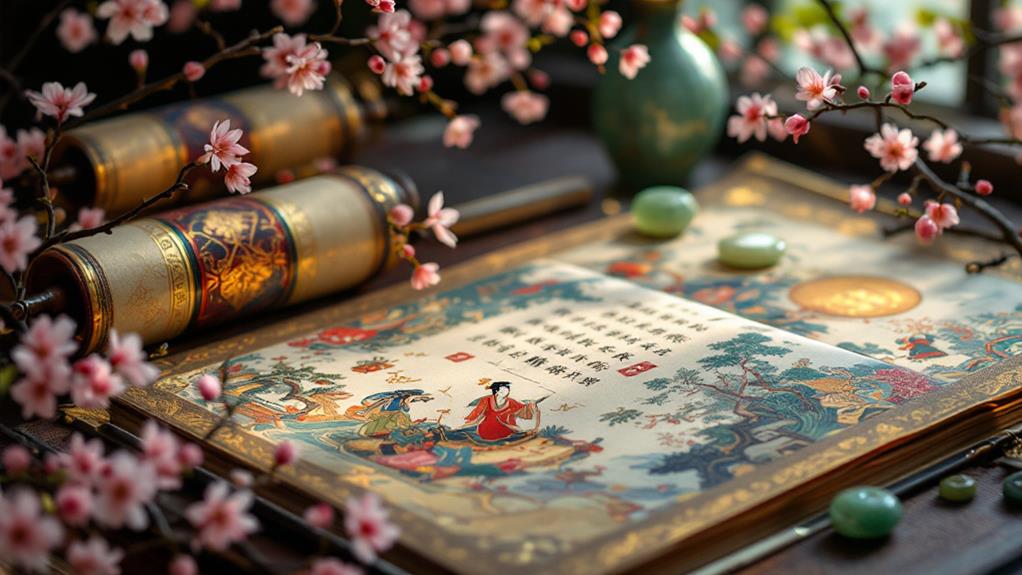
As you shift your focus from the lively world of Indian illustrated texts, East Asian scrolls and books offer a fascinating glimpse into another domain of artistic and literary tradition. You'll uncover the intricate beauty of Chinese scrolls, where Taoist illustrations and Buddhist sutras are rendered in exquisite detail. The elegance of calligraphy styles is central to these works, reflecting the profound influence of Confucian texts on Chinese culture.
In Japan, you'll encounter emakimono, or picture scrolls, that weave together narrative art and text in a seamless blend. These scrolls often depict historical events, folklore, and religious themes, capturing the essence of Japanese aesthetics. The flowing brushstrokes and lively colors evoke a sense of movement and life that's distinctly enchanting.
Korean printmaking also plays a significant role in East Asian manuscripts. The careful craftsmanship involved in creating woodblock prints is a reflection of the cultural emphasis on precision and beauty. These prints often include illustrations of both Buddhist and Confucian themes, showcasing a harmonious blend of spirituality and philosophy.
- Explore the harmonious blend of art and text in Japanese emakimono.
- Uncover the spiritual depth of Taoist illustrations in Chinese scrolls.
- Appreciate the precision in Korean printmaking techniques.
African Manuscript Heritage
Amid the sands of time, Africa's manuscript heritage reveals a lively tapestry of history and knowledge. As you investigate these manuscripts, you'll notice the rich African storytelling tradition woven into every page. These manuscripts aren't just records; they're colorful expressions of cultural symbolism and historical significance. They reflect the stories, beliefs, and values of diverse African communities.
To guarantee their longevity, manuscript preservation is vital. Communities actively engage in preserving their heritage using traditional techniques passed down through generations. You'll find that regional variations in manuscripts highlight the unique artistic influences across the continent. For instance, West African manuscripts often showcase intricate geometric patterns, while North African texts might emphasize Arabic calligraphy.
Community involvement plays a significant role in maintaining this legacy. By participating in the preservation process, communities make certain that the knowledge and artistry of their ancestors remain accessible to future generations. You'll appreciate how these manuscripts serve as a bridge, connecting the past with the present.
In studying African manuscript heritage, you gain insight into the continent's diverse cultures and histories, showcasing how deeply intertwined art, history, and community are in this rich tradition.
Pre-Columbian Codices
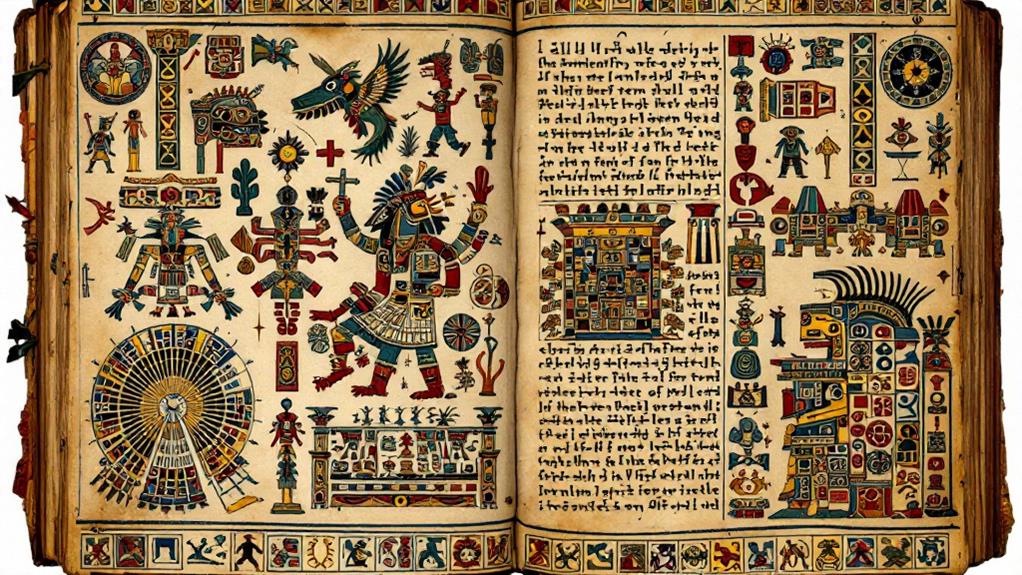
Pre-Columbian codices offer a fascinating glimpse into the lives and beliefs of ancient Mesoamerican civilizations. As you investigate these lively manuscripts, you'll reveal the rich layers of cultural symbolism and historical significance embedded within them. From the intricate Maya glyphs that narrate stories of gods and kings, to the striking Aztec artistry depicted in ceremonial rituals, these documents provide a unique window into the past.
- Maya Glyphs: Master the complex system of writing that reveals the mythology and history of the Maya people.
- Aztec Artistry: Marvel at the vivid images that capture the Aztecs' devotion and elaborate ritual usage.
- Inca Records: Uncover the Inca's distinctive record-keeping methods which documented their expansive empire.
These codices aren't just historical records; they are masterpieces of indigenous storytelling. Each page showcases artistic techniques that convey the spiritual and practical aspects of life. The codices served as guides for ceremonial practices, cementing their role in both daily and sacred activities. By examining these manuscripts, you gain insights into how these civilizations viewed the cosmos, their gods, and their place in the world, reflecting a legacy of creativity and understanding that continues to captivate scholars and enthusiasts alike.
Modern Influence and Legacy
Illuminated manuscripts have left an indelible mark on modern culture, inspiring countless artistic and literary endeavors. You'll find their influence in cultural adaptations that blend traditional artistry with modern themes. Contemporary artists draw on these ancient works, creating new pieces that pay homage to the past while embracing today's aesthetic. Digital reproduction has become a powerful tool, allowing you to investigate these manuscripts without damaging the originals. This accessibility fuels educational significance, offering students and historians a chance to study these texts in detail.
Artistic collaborations often arise from the fascination with illuminated manuscripts. Artists from different backgrounds come together, merging techniques and perspectives. These efforts highlight the timeless appeal of this art form. Technological advancements also play an essential role, with state-of-the-art preservation efforts ensuring that manuscripts are safeguarded for future generations. You can experience these works firsthand through global exhibitions, where they're showcased alongside modern interpretations.
Whether through physical displays or online platforms, the legacy of illuminated manuscripts continues to thrive. By blending historical artistry with contemporary creativity, you become part of a living tradition that transcends time and geography.
Related posts