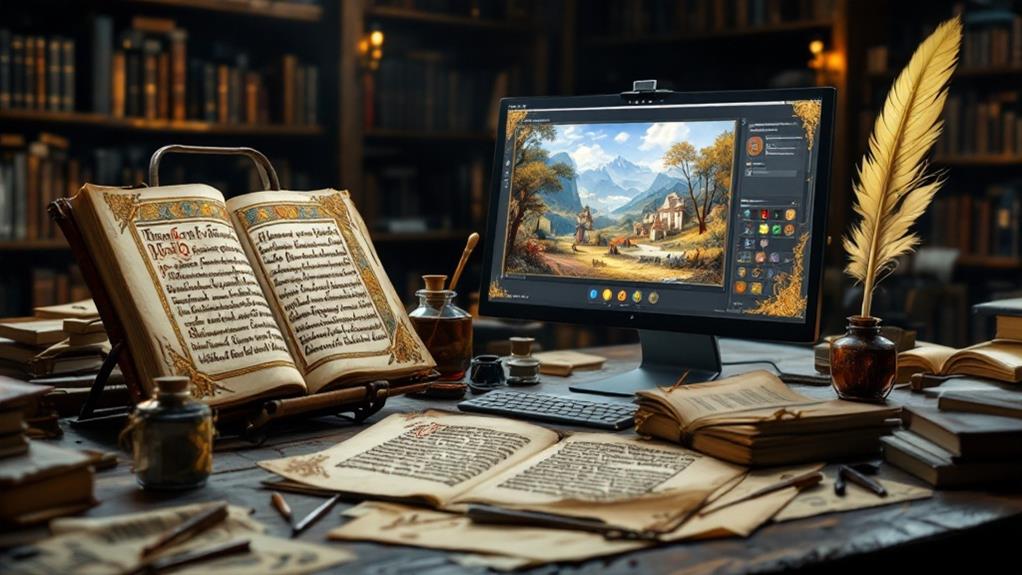
How Museums Curate and Display Historic Folios as Heritage Artifacts
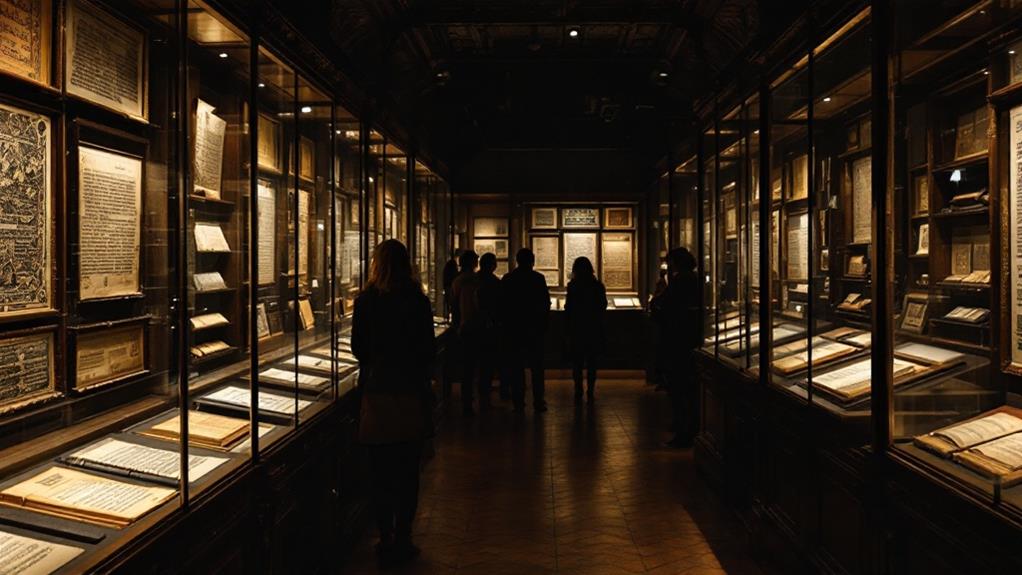
When museums curate and display historic folios, they start by evaluating each folio's cultural significance and condition. Experts research its historical context and impact on fields like literature or art. After selection, they preserve folios using climate control and archival-quality materials. Displays are thoughtfully designed to balance protection and viewer engagement, often using thematic storytelling. Creative techniques like interactive digital tools and workshops enrich visitor experience and understanding. Museums also prioritize public education through programs and collaborations. As you investigate further, you'll gain deeper insights into these curated valuables and the evolving role museums play in cultural preservation.
Selecting Historic Folios
Selecting historic folios is a careful process that requires both expertise and intuition. As you engage in this task, it's essential to evaluate the folio significance within its cultural context. You begin by understanding the historical and cultural influences that shaped the folio's creation. This means researching the time period, the geographic region, and the societal conditions of the time. Such insights allow you to gauge how the folio reflects or challenges the norms and values of its age, enriching its historical narrative.
Next, you focus on the folio's significance by examining its impact on literature, art, or science. Did it introduce revolutionary ideas or innovations? Has it influenced later works or been referenced by subsequent creators? These considerations help you determine its place in the larger tapestry of human history.
Your expertise also involves identifying the unique features that make the folio stand out. Examine its artistic style, linguistic nuances, and the craftsmanship involved in its creation. Intuition plays a role when deciding how these elements contribute to its comprehensive importance. By combining expert analysis with a keen sense of cultural resonance, you'll select folios that truly embody historical and cultural significance.
Evaluating Folio Condition
When evaluating the condition of a historic folio, you need to focus on both its physical and material state. Start the folio assessment by examining the paper quality, looking for brittleness, discoloration, or any signs of damage such as tears, creases, or pest infestations. Check for water stains or mold, which can cause significant deterioration. Don't overlook the binding; assess its strength and integrity. Binding issues can lead to further damage if not addressed.
Next, consider the material state. Assess the ink or pigments used, noting any fading or smudging, which can affect the folio's readability and visual appeal. Use conservation standards as your guide, making sure you're thorough and consistent in your evaluation. These standards help maintain a balance between preserving the folio's authenticity and guaranteeing its longevity.
Pay attention to any repairs or restorations that might have been done previously. Poor restoration work can sometimes cause more harm than good. Document all findings carefully, as this information is vital for future conservation efforts. By following these guidelines, you'll help guarantee that historic folios are preserved and appreciated for generations to come.
Preservation Techniques
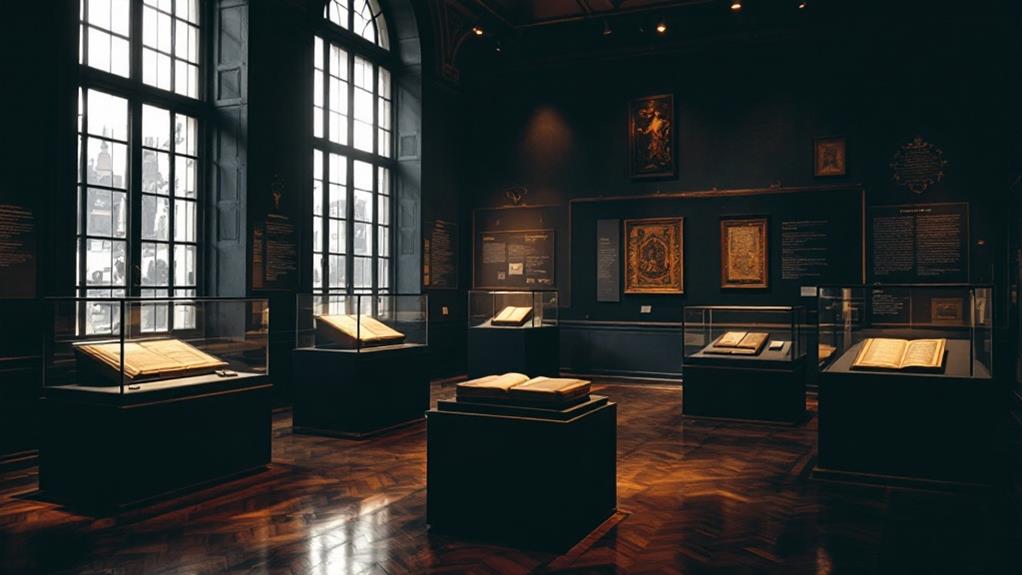
Once you've thoroughly assessed the condition of a historic folio, it's time to focus on preserving its integrity for the future. Start by considering digitization methods to create a digital backup of the folio. High-resolution scanning guarantees that every detail is captured, providing an invaluable resource for researchers and reducing the need for handling the original. This step not only safeguards the content but also makes it more accessible to a broader audience.
Next, focus on ideal storage solutions. Store the folio in a climate-controlled environment to prevent deterioration from humidity and temperature fluctuations. Use archival-quality materials like acid-free folders and boxes to protect the folio from environmental hazards. Keep the folio flat to avoid stress on its spine and pages. If the folio is fragile, consider using custom-made supports to maintain its structure.
Regularly inspect the folio to catch any early signs of damage. Implement a system for rotating items in and out of storage to guarantee they're not subjected to prolonged periods of stress. By employing these preservation techniques, you're assuring that the historic folio remains a valuable cultural artifact for generations to come.
Designing Display Environments
Creating an ideal display environment for historic folios requires careful planning to balance aesthetics and preservation. You need to evaluate lighting carefully, as it plays a critical role in both highlighting the folios and safeguarding their longevity. Avoid direct sunlight and opt for low-intensity, UV-filtered lighting to protect delicate paper and ink. Adjustable lights can allow you to emphasize specific details without exposing the entire folio to potential harm.
Incorporating thematic storytelling into your display can improve the viewer's experience and understanding. Reflect on the narrative you want to convey with the folios and how their arrangement can support this story. Group them according to historical period, artistic style, or cultural significance to create a cohesive narrative experience for your visitors.
It's also essential to design the space so it's both engaging and respectful of the artifacts. Use materials and colors that complement the folios without overwhelming them. Evaluate the placement of display cases to guarantee ideal viewing angles while maintaining a safe distance to prevent damage. By thoughtfully integrating lighting considerations and thematic storytelling, you create an engaging environment that honors the historical significance of these precious artifacts.
Interactive Exhibition Strategies
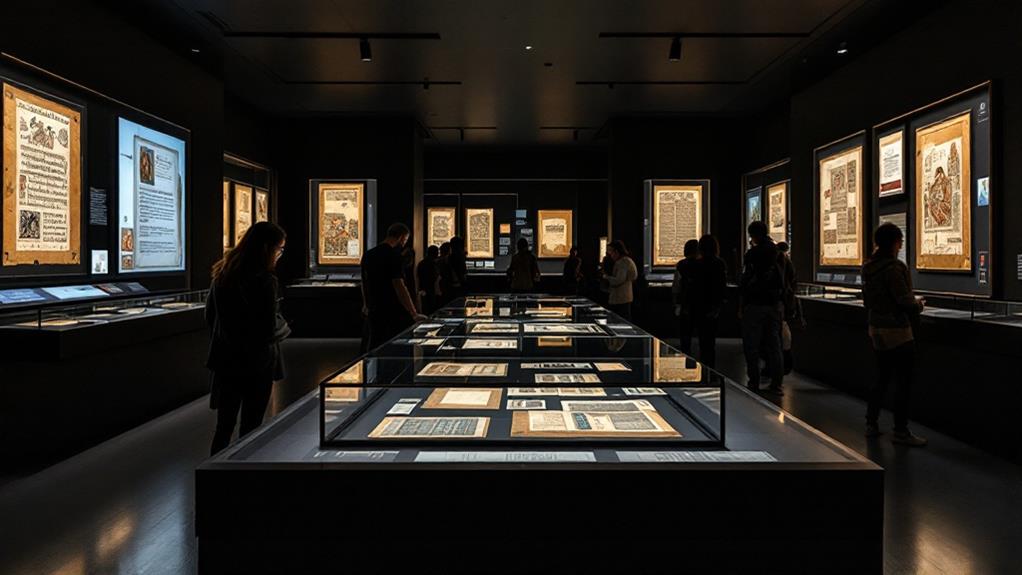
To improve visitor engagement, integrating interactive exhibition strategies can transform the way audiences experience historic folios. By embracing digital engagement, you can create an engaging environment that captivates visitors and offers them a deeper connection with the artifacts. Incorporating touchscreens and virtual reality elements allows audiences to investigate folios in ways that static displays can't provide. You can showcase high-resolution images of pages, enabling people to zoom in and examine intricate details that are often overlooked.
Along with these technologies, consider gathering visitor feedback to refine and improve the interactive experience. By using surveys or feedback kiosks, you can understand what aspects of the exhibition resonate most with your audience. This information helps tailor future exhibitions to better suit visitor interests and learning styles.
Another effective strategy is to implement workshops or interactive sessions where visitors can engage directly with replicas of the folios. These hands-on experiences foster a personal connection and offer insights into the historical context and significance of the artifacts. By focusing on digital engagement and actively seeking visitor feedback, you guarantee that your exhibition remains dynamic and relevant, ultimately augmenting the visitor experience.
Educating the Public
Building on the success of interactive exhibitions, educating the public about historic folios is a likewise vital endeavor for museums. You play a significant role in fostering public engagement by developing educational programs that captivate and inform. When you visit a museum, you should look for workshops, lectures, and tours that provide deeper insights into the folios' historical context, significance, and the stories behind them.
Museums often offer hands-on activities where you can experience the art of bookbinding or calligraphy, allowing you to connect with the past in a tangible way. These programs are designed to engage audiences of all generations, guaranteeing that everyone can appreciate the beauty and importance of these artifacts. By participating in these activities, you don't just learn about history; you become a part of it.
Moreover, museums frequently collaborate with schools and universities to create tailored educational programs. This partnership guarantees that students and educators have access to resources that enrich their understanding of history and art. As a visitor, your active participation in these programs helps museums continue to preserve and celebrate the cultural heritage encapsulated in historic folios, making their stories accessible to future generations.
Future of Folio Curation
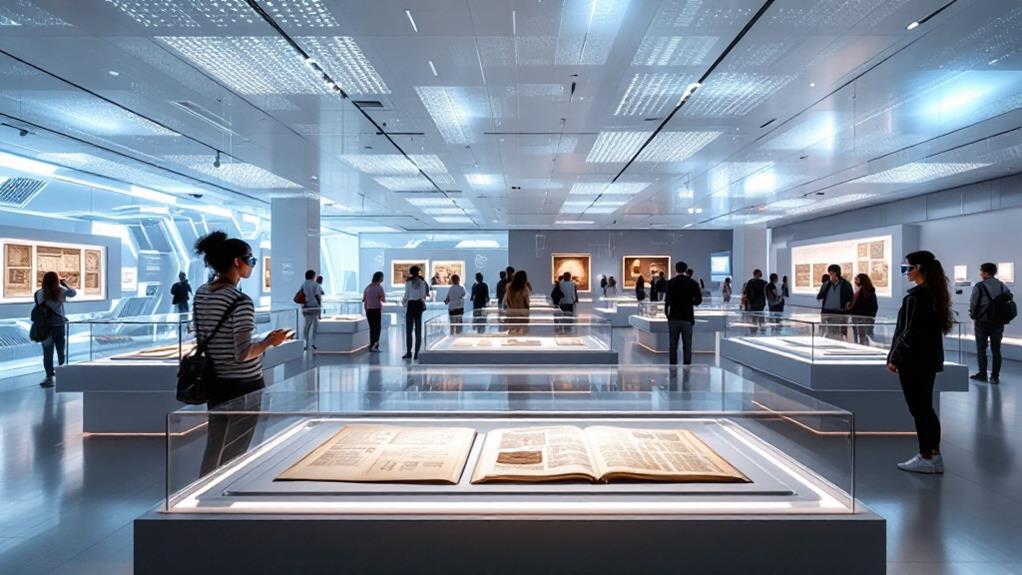
The evolution of folio curation promises an exciting future for museums and their visitors. As the world of digital archives expands, so does the potential for showcasing the cultural significance of historic folios. You'll see museums embracing technological advancements to create engaging, interactive experiences. However, with these innovations come accessibility challenges, guaranteeing that everyone can appreciate these gems fully.
Consider these emerging trends:
- Exhibition Trends: New techniques like augmented reality and virtual tours will allow you to investigate folios in ways you've never imagined. These methods improve understanding and appreciation of the artifacts' depth and history.
- Community Engagement: Museums will focus more on involving local communities through collaborative projects. This approach not only enriches the exhibitions but also guarantees that the cultural narratives are inclusive and diverse.
- Curatorial Ethics: As curators integrate new technologies, maintaining ethical standards in presenting and preserving folios is essential. You'll find a focus on balancing innovation with respect for the artifact's integrity.
Related posts