How Digital Culture Changed the Way We Save, Share, and Organize Media
The way people interact with the media has changed dramatically over the past few decades. Shelves once filled with VHS tapes, CDs, DVDs, photo albums, and filing cabinets have gradually been replaced by cloud storage, streaming platforms, and smartphones capable of holding thousands of photos, songs, and videos. Digital culture hasn't simply changed where media is stored—it has transformed how people create, access, and experience it every day. Whether you're preserving family memories, organizing work projects, sharing vacation photos, or streaming your favorite music, digital tools have become central to modern life. As technology continues to evolve, understanding how media storage, sharing, and organization have changed helps explain why today's digital experiences feel so different from those of previous generations.
How Digital Culture Changed the Way We Store Media
Digital culture has fundamentally reshaped the way people store media. Physical formats like floppy disks, VHS tapes, cassette tapes, CDs, and DVDs once required shelves, cabinets, and specialized players to remain accessible. Today, solid-state drives, portable storage devices, and cloud platforms allow enormous collections of photos, videos, music, and documents to fit into devices small enough to carry in a pocket. Cloud storage has become one of the biggest drivers of this transformation. Instead of relying on a single computer, people can now access their files across multiple devices from almost anywhere with an internet connection. Families preserve digital photo libraries, businesses collaborate on shared projects, and creators maintain years of content without worrying about physical storage space. The shift has made media more accessible while reducing many of the limitations that came with traditional formats. Despite these advances, good storage habits remain important. Experts often recommend the 3-2-1 backup strategy, using open file formats whenever possible, and periodically checking older files to ensure they remain accessible. Digital storage offers incredible convenience, but preserving important media still requires thoughtful planning as technology continues to evolve.
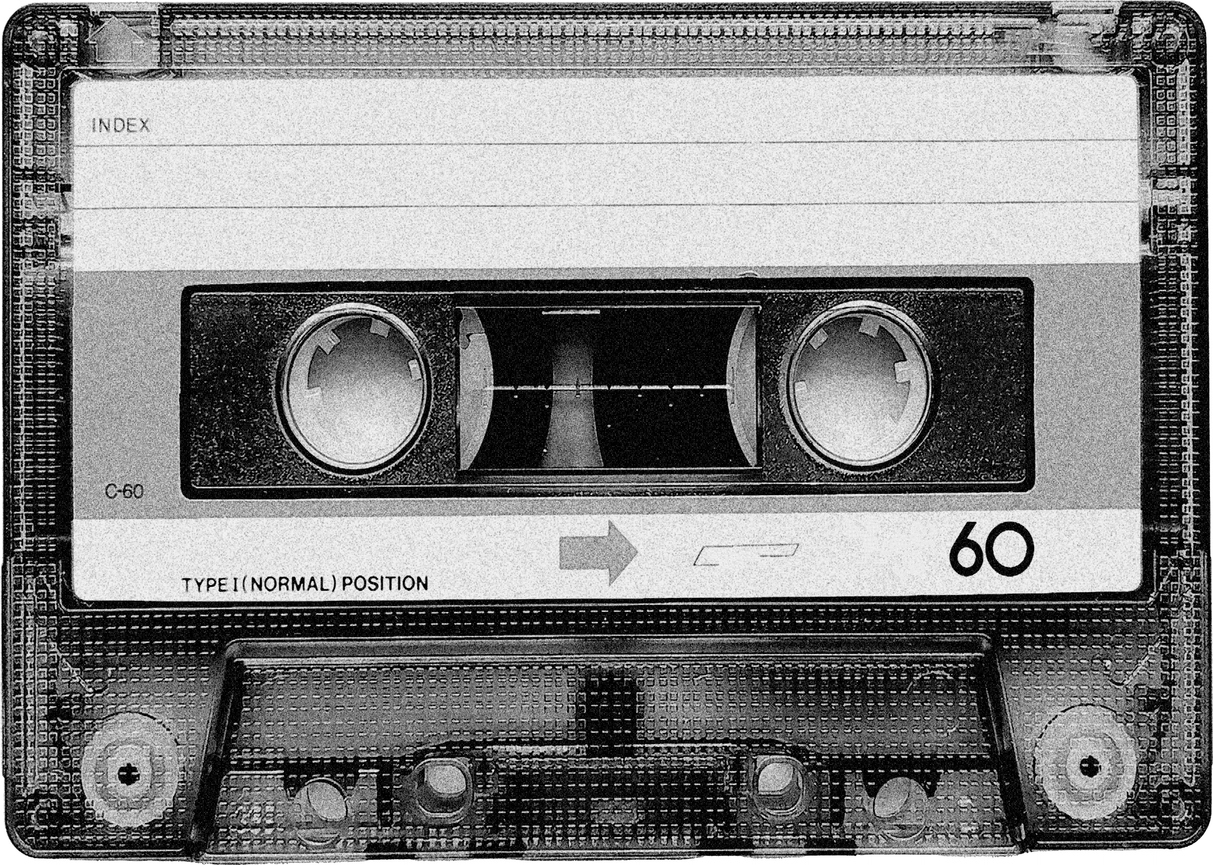
What Replaced Physical Tapes in Modern Media Storage?
As physical media gradually disappeared from everyday use, new technologies emerged to provide faster, more reliable alternatives. Solid-state drives (SSDs) replaced many traditional hard drives by offering quicker file access, improved durability, and lower power consumption. Without moving parts, SSDs are less vulnerable to mechanical failure, making them an increasingly popular choice for storing valuable photos, videos, and creative projects. Cloud storage expanded those benefits even further by removing many of the limitations of physical devices. Services such as Google Drive, Microsoft OneDrive, Apple iCloud, and Dropbox allow users to synchronize files automatically across computers, tablets, and smartphones. Instead of carrying external drives everywhere, people can retrieve documents, music, and videos almost instantly from nearly any connected device. These changes have also influenced entertainment and digital creativity. Content creators routinely manage large video projects online, photographers maintain extensive image libraries in the cloud, and families preserve years of memories without worrying about aging tapes or damaged discs. Modern storage has become faster, more flexible, and far easier to integrate into everyday digital life than the physical formats that came before it.
What Is the 3-2-1 Backup Rule?
As media collections continue growing, protecting valuable files has become just as important as storing them. One of the most widely recommended strategies is the 3-2-1 backup rule. This simple approach suggests keeping three copies of important data, storing those copies on two different types of media, and maintaining one copy in a separate off-site location such as a secure cloud service. For example, you might keep your original files on your computer, save a second copy on an external hard drive, and automatically back up everything to cloud storage. If your computer fails or your external drive becomes damaged, you'll still have another complete copy available. This layered approach greatly reduces the risk of losing irreplaceable family photos, creative projects, or important work documents. Regular maintenance is equally important. Testing backups periodically, checking that files still open correctly, and updating older storage devices help ensure your media remains available for years to come. A backup is only useful if it can actually be restored when you need it, making routine verification an essential part of any long-term digital preservation strategy.
How Streaming Changed Personal Media Collections
One of the biggest cultural shifts in digital media has been the move from owning physical collections to accessing enormous online libraries through streaming services. Instead of purchasing shelves full of CDs, DVDs, or Blu-ray discs, many people now subscribe to platforms like Spotify, Apple Music, Netflix, Disney+, and YouTube, where millions of songs, movies, and television shows are available almost instantly. This transition has changed how people think about personal media collections. Rather than organizing physical albums or movie libraries, users create playlists, build watchlists, save favorite podcasts, and maintain digital libraries that follow them across multiple devices. Personalized recommendations and curated collections have largely replaced the need to manually browse large physical collections. Streaming has also become a defining part of modern pop culture. Viral television series, chart-topping playlists, exclusive documentaries, and livestreamed concerts spread across the internet within hours, allowing audiences around the world to experience the same entertainment simultaneously. While physical collections still appeal to many collectors, streaming has fundamentally changed how most people discover, organize, and enjoy digital media.
How Social Media Transformed the Way We Share Files
Social media has completely changed how people share photos, videos, music, and creative projects. What once required email attachments, burned CDs, or physical copies can now be uploaded instantly to platforms like Instagram, TikTok, Facebook, X, and YouTube. Within seconds, content can reach friends, family, or even millions of viewers around the world, making digital sharing faster and more accessible than ever before. This shift has also changed why people share media. Vacation photos become travel inspiration, short videos spark viral trends, and musicians introduce new songs directly to fans without relying entirely on traditional media outlets. Content creators, photographers, educators, and businesses all use social platforms to distribute work, build communities, and encourage interaction in ways that were impossible only a generation ago. Responsible sharing remains just as important as convenient sharing. Crediting original creators, respecting copyright, and providing accurate context help preserve trust across online communities. As digital culture continues to evolve, thoughtful sharing practices ensure that creative work can spread widely while still recognizing the people who made it.
Which Tools Enable Real-Time Media Collaboration?
Modern collaboration tools allow people to work on the same media projects regardless of where they live. Cloud-based platforms such as Google Drive, Dropbox, Microsoft OneDrive, Adobe Creative Cloud, and Frame.io enable multiple users to edit documents, review videos, organize images, and exchange feedback simultaneously without constantly sending updated files back and forth. These tools have become especially valuable for creative industries. Video editors can receive time-stamped comments directly on footage, designers can share mockups with clients in real time, and podcast teams can review audio projects together from different cities or countries. Real-time collaboration shortens production schedules while making communication more efficient and transparent. Remote work has also expanded the importance of these platforms beyond professional studios. Students collaborate on school assignments, families organize shared photo albums, and independent creators produce YouTube videos, podcasts, and digital artwork with contributors located around the world. Digital collaboration has become a defining feature of today's creative culture.
Why Memes, GIFs, and Fan Edits Became Part of Digital Culture
Digital culture isn't only about preserving media—it is also about constantly reinventing it. Memes, reaction GIFs, fan edits, and short video remixes have become some of the internet's most recognizable forms of creative expression. Instead of simply consuming entertainment, audiences now actively transform movies, television shows, music, and sporting events into new content that reflects current conversations and internet culture in 2025. Fan communities have played a major role in this evolution. Popular films, television series, anime, video games, and music artists inspire countless edits that combine clips, visual effects, soundtracks, and creative storytelling. Platforms like TikTok, Instagram, Reddit, and YouTube encourage these creations to spread quickly, allowing fans to celebrate favorite characters, revisit memorable scenes, or introduce classic entertainment to new audiences. This constant remixing has become a defining characteristic of modern pop culture. A single movie quote, television moment, or song clip can generate thousands of creative variations across multiple platforms within days. These shared experiences strengthen online communities while demonstrating how digital media has become increasingly collaborative rather than simply one-directional.
Why Shared Media Needs Encryption and Access Controls
As sharing becomes easier, protecting digital content becomes increasingly important. Personal photos, financial records, creative projects, and confidential business documents often travel through cloud services and collaborative platforms, making security essential. Encryption helps protect these files by ensuring that only authorized users can view their contents during storage and transfer. Access controls provide another layer of protection by allowing owners to decide exactly who can view, edit, download, or share specific files. A photographer may allow clients to review images without downloading them, while businesses can assign different permission levels to employees based on their responsibilities. These controls reduce the risk of accidental deletion, unauthorized editing, or unwanted distribution. Strong security practices also support long-term digital preservation. Combining encrypted storage, secure passwords, multi-factor authentication, and carefully managed permissions helps ensure valuable media remains both protected and accessible. As more aspects of everyday life move online, thoughtful security has become an essential part of responsible digital media management.
How AI Is Changing the Way We Organize Digital Media
Artificial intelligence is becoming one of the most significant tools for organizing digital media. Instead of manually sorting thousands of photos, videos, or documents, AI-powered systems can automatically recognize faces, identify objects, detect locations, and generate searchable tags within seconds. These features save time while making large collections much easier to navigate. Streaming platforms and cloud services also rely heavily on artificial intelligence to personalize user experiences. Recommendation engines analyze viewing habits, listening history, and search behavior to suggest movies, television shows, songs, podcasts, and videos that match individual interests. AI doesn't simply organize content—it helps users discover media they may never have found on their own. As AI technology continues improving, its role in digital organization will likely expand even further. Voice search, automated categorization, smart photo albums, and intelligent archive management are already becoming common across many devices and platforms. Rather than replacing human organization completely, AI works alongside users to simplify increasingly complex digital collections.
Why Your File Formats May Expire Before Your Files Do
Saving a file isn't always enough to guarantee you'll be able to open it years later. While storage devices may continue functioning, the software required to read older file formats can gradually disappear. Proprietary formats tied to outdated programs sometimes become difficult—or even impossible—to access once manufacturers stop supporting them. This challenge affects individuals, businesses, museums, libraries, and archives alike. Historic photographs, home videos, creative projects, and important documents all depend on compatible software to remain usable. Converting valuable files into widely supported, open formats before older technologies become obsolete helps reduce the risk of permanently losing digital information. Regular maintenance is just as important as initial storage. Periodically reviewing archives, migrating files to newer formats, and confirming that backups still function properly help preserve digital collections for future generations. As technology evolves, proactive preservation ensures today's memories and creative work remain accessible tomorrow.
Conclusion
Digital culture has transformed far more than the technology used to store media. It has changed how people discover entertainment, preserve memories, collaborate on creative projects, participate in online communities, and organize enormous collections of digital content. From streaming services and cloud storage to social media and artificial intelligence, every innovation has reshaped the way media fits into everyday life. As digital experiences continue evolving, thoughtful organization, reliable preservation, and responsible sharing will remain just as important as the technologies themselves. By combining modern tools with good digital habits, individuals and organizations can ensure their photos, videos, music, documents, and creative work remain accessible, secure, and ready to be enjoyed for years to come.
Related posts