From Gothic to Kufic: The Diversity of Scripts in Historical Folios
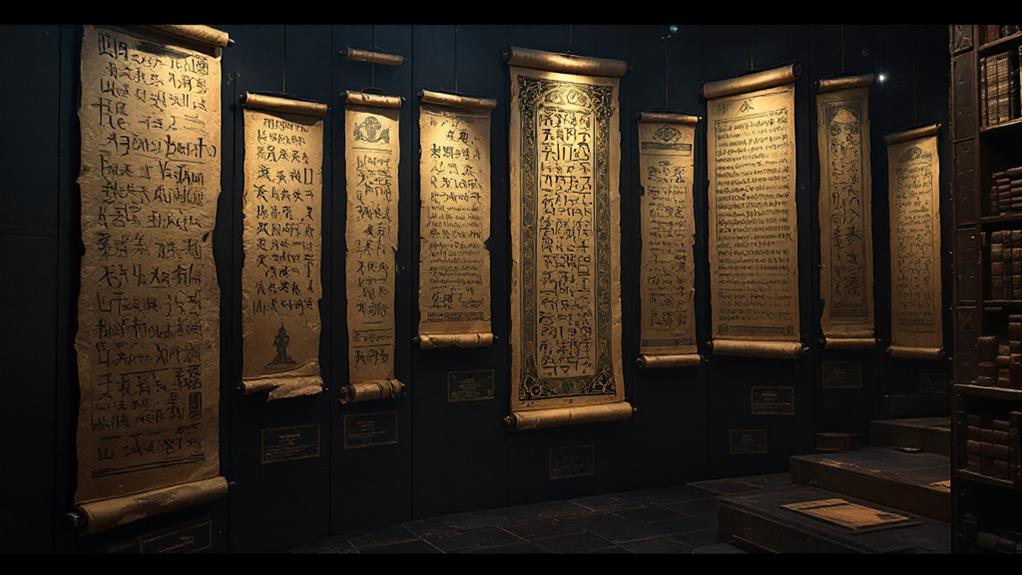
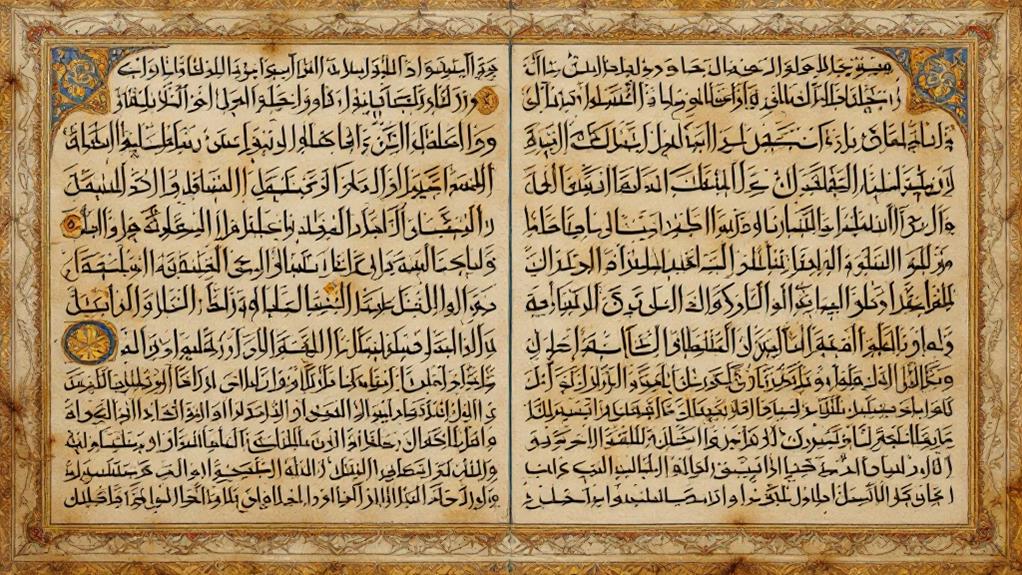
You're exploring the fascinating exploration of scripts from Gothic to Kufic, showcasing their historical and cultural diversity. Gothic script, emerging in 12th-century Europe, is defined by its bold, angular lines, serving both religious and scholarly works. In contrast, Kufic script, with its geometric precision, embodies early Islamic calligraphy, gracing architecture and art across cultures. Each script tells a story of cultural exchange and adaptation, reflecting changes in power and ideals over time. Gothic and Kufic scripts continue to influence modern typography, blending historical depth with contemporary design. Uncover how these scripts shaped history and modernity in surprising ways.
Origins of Gothic Script
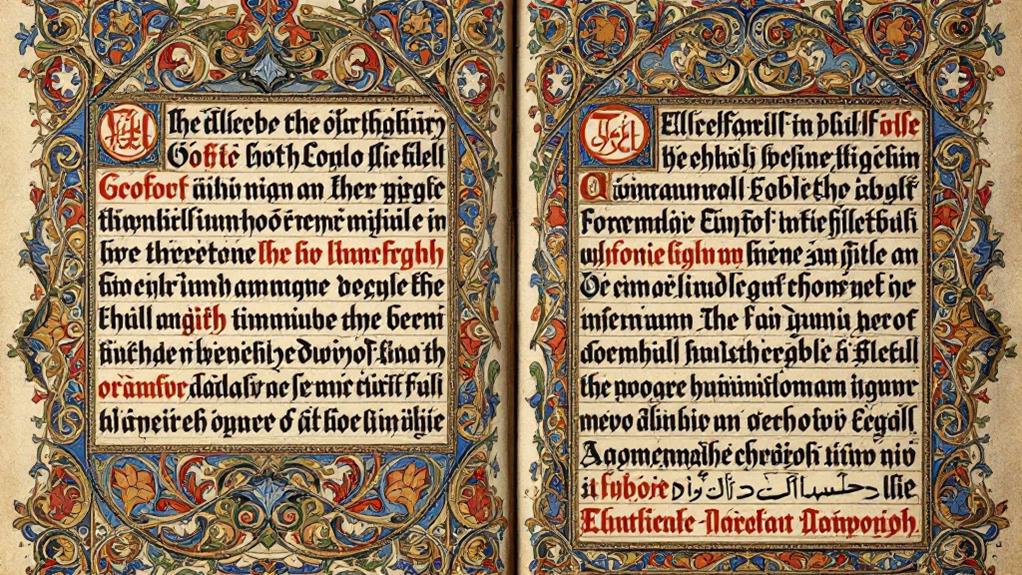
Gothic script, with its intricate and angular form, emerged in the 12th century as a distinct writing style across Europe. You'll find that it mirrors the pointed arches and ribbed vaults of Gothic architecture, both characterized by their verticality and complexity. As you explore medieval manuscripts, the Gothic script becomes a demonstration of the period's artistic and cultural dynamism. This script wasn't just about aesthetics; it played a vital role in making texts more legible and accessible during a time when literacy was gradually spreading.
When you examine Gothic script's origins, you'll notice its development was deeply intertwined with the rise of Gothic architecture. Cathedrals and churches were being constructed with an emphasis on height and light, and this architectural revolution inspired scribes to adopt a similar style in their writing. In medieval manuscripts, the script's precise lines and sharp angles conveyed a sense of grandeur and authority, reflecting the importance of the texts they adorned. As Gothic script spread, it became the preferred style for religious and scholarly works, ensuring that the written word was as visually striking as the structures that housed it.
Characteristics of Gothic Calligraphy
The quill in your hand becomes a tool of precision and artistry when you investigate the characteristics of Gothic calligraphy. Known for its bold, angular lines and dramatic strokes, this script commands attention. You'll notice how each letter is crafted with distinct verticality, creating a sense of order and formality. This script, often used in historical manuscripts, showcases a unique rhythm that's both visually striking and carefully structured.
As you probe deeper, pay attention to the ornamental flourishes that define Gothic calligraphy. These flourishes are not mere decorations; they add a layer of complexity and elegance to the text. Gothic letters often feature intricate loops and curves, particularly on ascenders and descenders, lending a decorative touch that complements the script's inherent boldness.
In historical manuscripts, Gothic calligraphy was more than just text; it was an artistic expression. The script's dense and compact nature allowed scribes to fit more words on a page, making it practical for extensive texts. Yet, it didn't sacrifice beauty for function. Each page became a canvas where precision, artistry, and the scribe's skill came together in harmonious unity.
The Elegance of Kufic Script
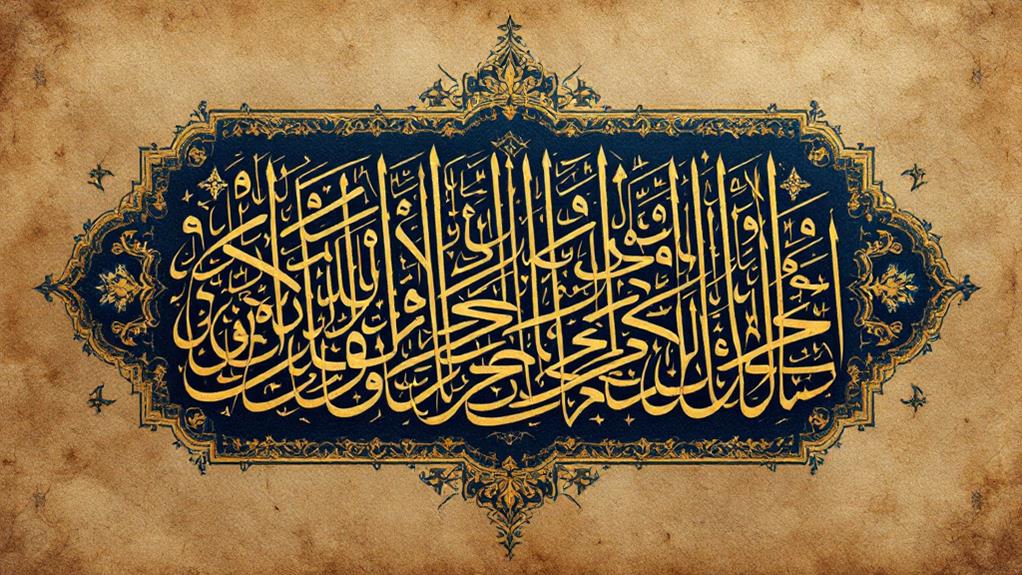
Timelessness envelops the Kufic script, capturing the essence of early Islamic calligraphy with its stately and angular form. As you investigate the world of Kufic, you're struck by its geometric precision and bold presence. Unlike the fluid curves of other scripts, Kufic stands firm, exuding strength and elegance. Its Kufic aesthetics are both simple and sophisticated, making it a striking choice for diverse applications.
You'll find that Kufic isn't limited to religious manuscripts; it's also used in architecture, coins, and textiles. The script's adaptability showcases its versatility, transforming everyday objects into art. When you look at a piece adorned with Kufic script, you're witnessing a connection to a rich historical tradition.
The Kufic script's appeal lies in its balance between form and function. Its Kufic aesthetics are not just about beauty; they serve as a demonstration of its creators' skill and intent. As you examine Kufic applications, you'll appreciate how this script transcends time, maintaining its relevance and allure. The elegance of Kufic is undeniable, inviting you to uncover the depth and breadth of its artistry.
Cultural Significance of Scripts
While exploring the cultural significance of scripts, you'll uncover how they serve as more than just a means of communication; they're a reflection of identity and heritage. Scripts are the visual embodiment of a culture's voice and history, preserving the essence of communities over centuries. By understanding these scripts, you gain insight into the lives, beliefs, and values of those who crafted them.
Consider the following:
- Cultural Identity: Scripts like Gothic and Kufic tell stories about the people who used them. Gothic script evokes medieval Europe, steeped in religious and literary tradition. Kufic, with its geometric elegance, ties you to the Islamic Golden Era, reflecting spiritual devotion and artistic innovation.
- Script Preservation: Efforts to preserve scripts are vital for maintaining cultural identity. When scripts fade, so do the unique narratives they hold. Libraries and museums worldwide work to protect these gems, ensuring future generations can connect with their past.
- Cross-Cultural Influence: Scripts don't just define a single culture; they often influence others. For example, Arabic script's spread into non-Arabic-speaking regions showcases cultural exchange and adaptation, enriching global history.
In essence, scripts are more than writing—they're a gateway to understanding cultural complexity and continuity.
Evolution of Script Styles
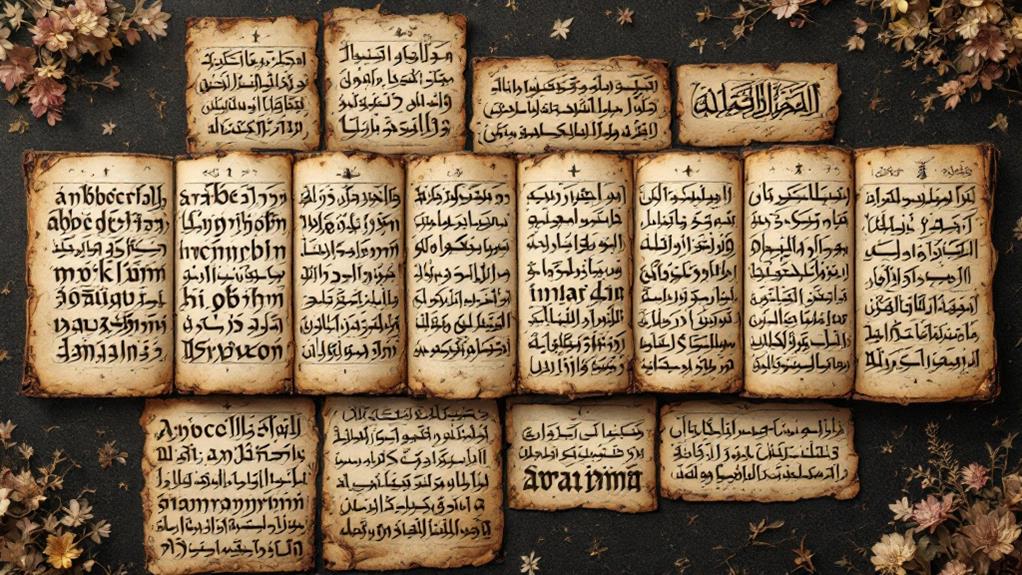
Understanding the cultural significance of scripts opens a gateway to exploring how they've evolved over time. As you investigate the history of script styles, you'll notice that script shifts are not just about changing aesthetics but reflect broader historical influences. These shifts often correspond with alterations in power, culture, and technology. For instance, the change from Gothic to Roman scripts was driven by the Renaissance's push for clarity and readability, influenced by humanist ideals.
When you examine the evolution of scripts, consider how historical influences like trade, conquests, and technological advancements have shaped them. The introduction of printing in Europe, for example, necessitated script styles that were easier to reproduce. This led to the development of more standardized forms, which spread with the printing press's influence. Likewise, the spread of Islam brought about the adoption of the Kufic script, illustrating how cultural exchange can transform writing styles.
As you trace these changes, appreciate the intricate dance between tradition and innovation. Each script shift tells a story of adaptation and resilience, showing how societies balance preserving heritage while embracing new ideas. The evolution of script styles is a reflection of humanity's enduring quest for expression.
Scripts in Religious Texts
Delving into the domain of scripts in religious texts, you'll uncover how deeply intertwined they are with spiritual and cultural identities. These sacred manuscripts aren't just books; they're vessels of faith, history, and tradition. Each script tells a story, not just through its words but through the very shape of its letters. The elegance of Kufic script, for instance, isn't merely aesthetic—it's a demonstration to centuries of Islamic artistry and devotion. Script preservation in religious contexts guarantees these stories and traditions endure through generations.
When you investigate these manuscripts, picture:
- Illuminated Pages: Imagine a medieval scribe painstakingly adding gold leaf to a manuscript, turning each page into a work of art.
- Exquisite Calligraphy: Visualize intricate Hebrew or Sanskrit scripts that flow like rivers across a page, each character crafted with reverence.
- Ancient Marginalia: Consider the faded notes in Latin on the margins of a Gothic Bible, offering insight into the thoughts of past scholars.
These elements illustrate how scripts in religious texts are more than mere writing—they're a convergence of art, devotion, and identity. Through the careful preservation of these scripts, you're not just keeping words alive but safeguarding the spirit of entire cultures.
Influence on Modern Typography
The rich tapestry of scripts in religious texts doesn't just preserve history; it shapes the contemporary world of typography. When you investigate digital typography, you'll notice the profound influence these historical scripts have had. Many designers draw inspiration from Gothic, Kufic, and other ancient scripts, leading to a script revival in the current digital era. This revival doesn't mean merely copying old designs; instead, it's about reinterpreting these styles to fit modern needs, combining the old with the new.
You'll find that modern typography often incorporates the elegance of Gothic lettering and the geometric precision of Kufic script. Fonts that echo these styles are everywhere—on websites, in advertising, and even in the apps you use daily. These scripts bring a sense of timelessness and authority, making them perfect for brands and projects aiming for a classic yet modern look.
As you investigate deeper into digital typography, you'll see how the past continues to inform the present. Every time you choose a font, you're participating in this ongoing dialogue between history and modern design. Welcome script revival, and let historical influences guide your creative exploration.
Related posts