From Bookbinding to Modern Conservation: Preserving Historical Folios Over Time
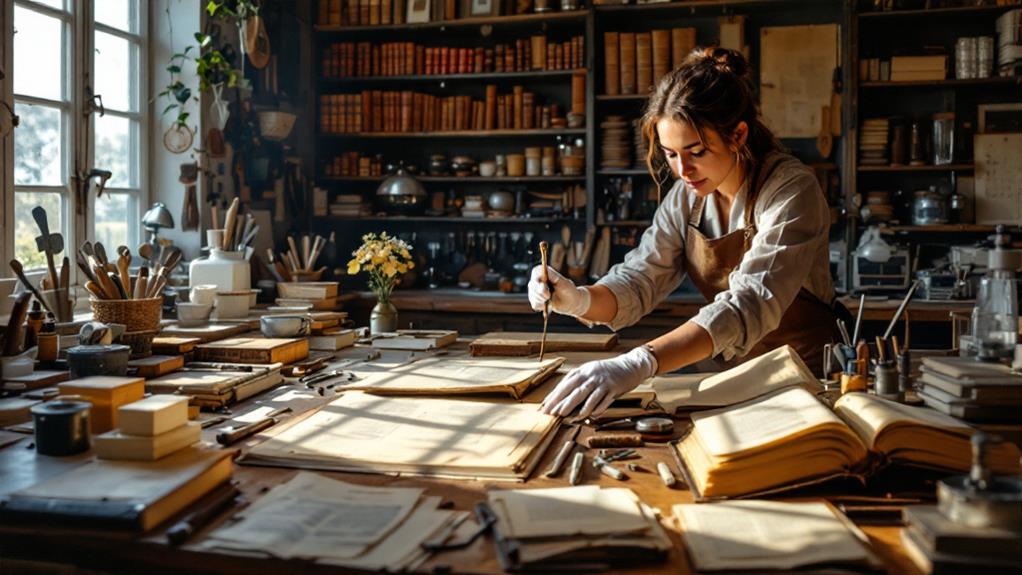
You'll uncover that preserving historical folios has transformed considerably from ancient techniques to modern conservation. Early bookbinding used materials like papyrus and leather to protect texts. Skilled medieval artisans innovated with tools, guaranteeing durability and craftsmanship. Today's challenges include environmental threats and balancing restoration ethics. Innovations in conservation science now offer chemical treatments and digital archiving, creating high-resolution replicas for safe study. Looking forward, sustainable materials and advanced methodologies guarantee these assets continue to connect us with our past. By exploring further, you'll see how preservation efforts blend tradition with cutting-edge techniques to protect historical documents.
Origins of Bookbinding
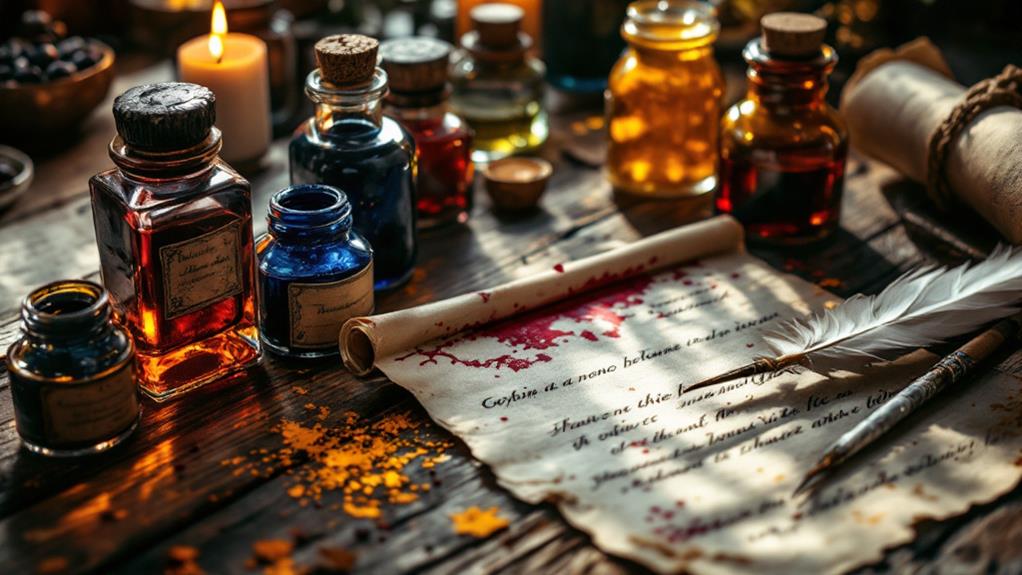
Bookbinding has a rich and fascinating history that traces back to ancient times when scribes and artisans began experimenting with different methods to protect and preserve written texts. You might be surprised to learn that ancient materials like papyrus, leather, and wood played a vital role in the early development of bookbinding. These materials were not only practical but also carried cultural significance, as they were often chosen based on the availability and value within a particular society.
Imagine a time when scrolls were the primary form of written communication. The shift from scrolls to codices marked a significant evolution in how people approached the preservation of information. By binding pages together, ancient cultures found a way to create more durable and accessible texts. This innovation allowed for the spread of knowledge and ideas across different regions and periods.
As you investigate the origins of bookbinding, it is important to recognize the impact that these early methods had on the transmission of culture and knowledge. Each bound book was a reflection of the skills of the artisans and the society that valued the preservation of its written heritage.
Techniques of Medieval Artisans
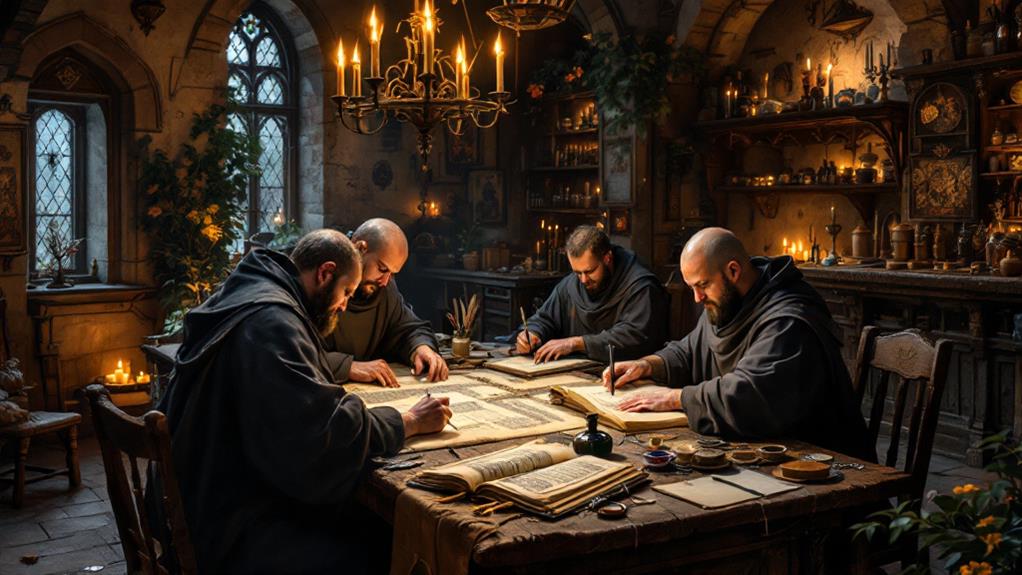
When you investigate the techniques of medieval artisans, you uncover a world where craftsmanship and innovation flourished. These artisans didn't just create objects; they breathed life into each piece with careful attention. Using medieval tools, they honed their skills to an art form, producing works that have withstood the test of time. Regardless of it being binding books, crafting manuscripts, or illuminating pages, each task required a unique set of artisan techniques.
You'd find that a bookbinder in medieval times relied on tools like awls, bone folders, and wooden presses. These crucial medieval tools were used to pierce, fold, and press the parchment, ensuring durability and elegance. The artisans' techniques involved precise hand movements and a deep understanding of materials, turning simple components into masterpieces.
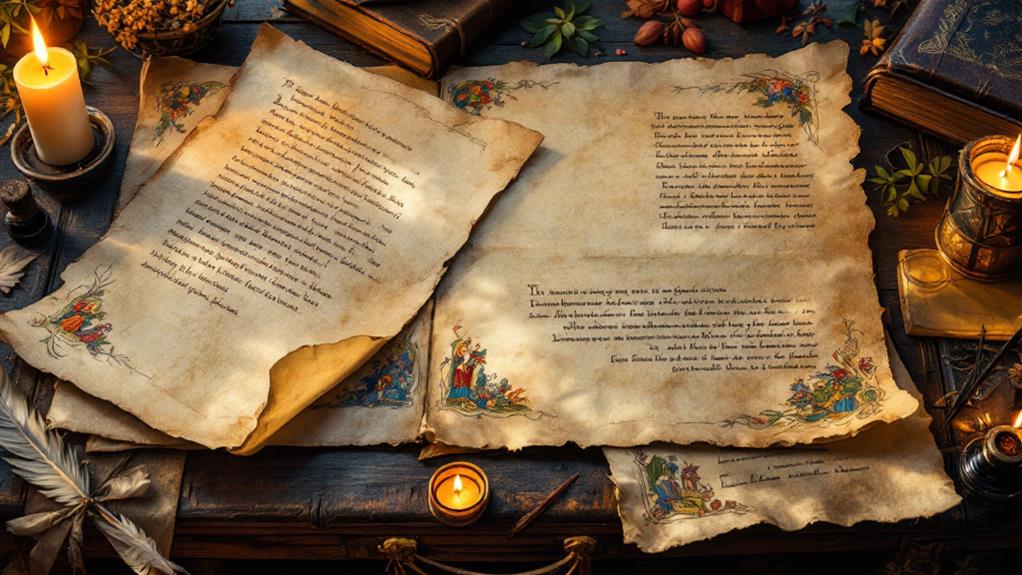
Illuminators, with their keen eye for detail, applied gold leaf and lively pigments to embellish manuscripts. Using brushes made from animal hair, they carefully painted intricate designs that told stories and conveyed emotions. Every stroke was deliberate, showcasing the artisan's mastery.
Challenges in Folio Preservation
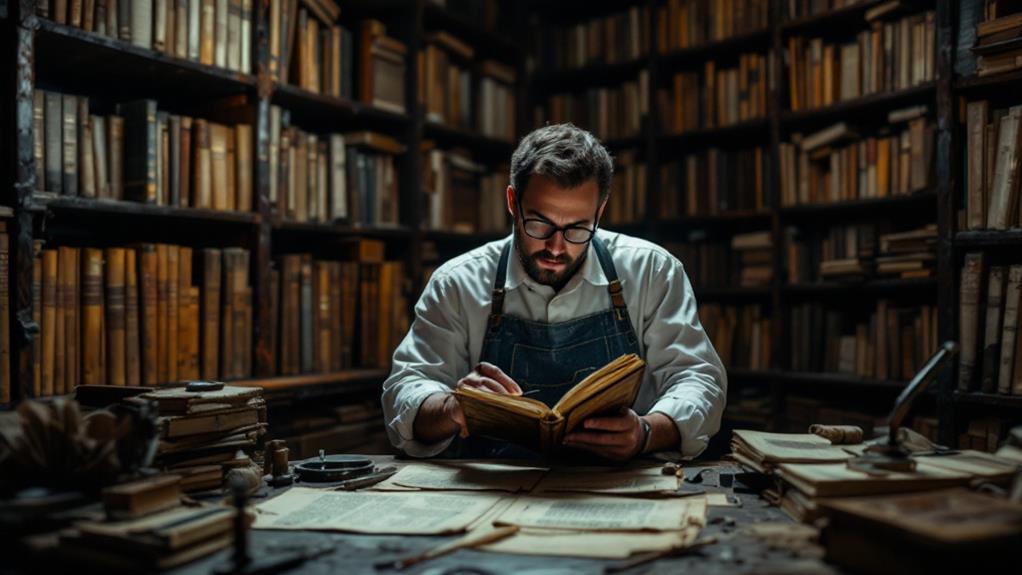
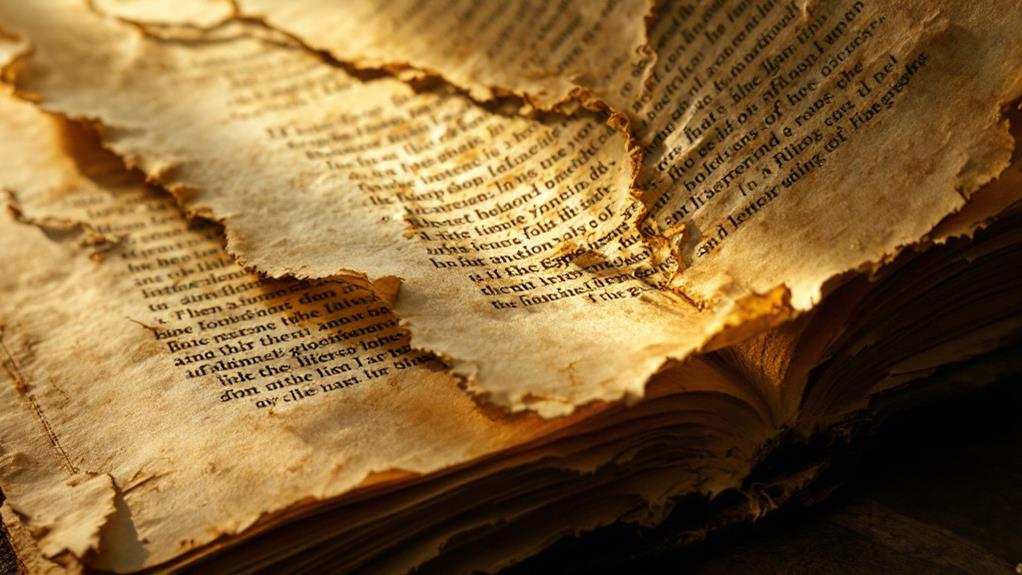
Preserving historical folios isn't just about keeping old books on a shelf; it involves tackling a myriad of challenges that threaten their longevity. Initially, reflect on the environmental factors. Temperature fluctuations, humidity, and light exposure can all accelerate material degradation. You have to constantly monitor these conditions to guarantee the folios remain stable. Even slight changes can cause paper to become brittle or ink to fade, compromising the integrity of these valuable documents.
Material degradation is another formidable challenge. Over time, the very materials that make up these folios—paper, leather, and ink—break down. Understanding the chemistry behind this degradation helps you take preventative measures, but you also must recognize when intervention is necessary. This leads to questions of restoration ethics. How do you restore a folio without altering its historical authenticity? Striking that balance requires careful judgment.
Then there's the issue of digital archiving. While digitization is an excellent tool for preservation, it's not a cure-all. You need to reflect on the limitations of digital formats and the risk of data loss over time. Each of these challenges demands attention, strategy, and a deep respect for the historical folios in your care.
Innovations in Conservation Science
While the challenges of preserving historical folios are significant, groundbreaking strides in conservation science offer promising solutions. You can now employ inventive chemical treatments designed to stabilize fragile materials without damaging them. These treatments help protect paper from further deterioration by neutralizing acids and other harmful substances. As a result, folios can withstand the test of time, allowing future generations to study and appreciate these valuable artifacts.
Beyond physical preservation, digital archiving plays a vital role in protecting historical documents. By digitizing folios, you're creating high-resolution replicas that can be accessed and shared globally. This process not only safeguards the original documents from excessive handling but also guarantees their availability in cases of natural disasters or accidental damage. Digital archiving allows you to create an extensive database of historical materials, making them accessible to researchers, students, and history enthusiasts worldwide.
Moreover, combining chemical treatments with digital archiving creates a holistic approach to conservation. You preserve the tangible items while also guaranteeing their digital counterparts remain accessible. Advances in conservation science truly redefine how you can protect and cherish historical folios, paving the way for a brighter future in document preservation.
Future of Historical Document Care
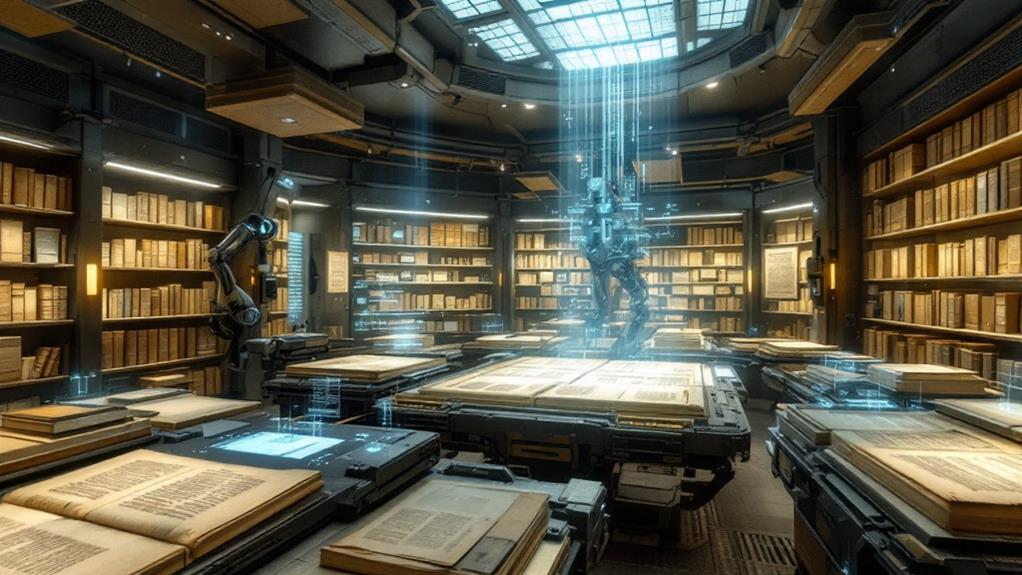
The future of historical document care is poised for exciting advancements, thanks to emerging technologies and cutting-edge methodologies. You'll find that digital archiving is transforming how we preserve and access historical documents. By creating high-resolution digital copies, you can guarantee the longevity of fragile originals, making them accessible without risking damage. This process also allows for easier sharing among researchers and historians worldwide, fostering collaboration and new revelations.
In addition to digital solutions, sustainable materials are playing a vital role in the preservation of physical documents. You'll notice a shift towards using eco-friendly conservation materials that not only protect the documents but also reduce the environmental impact of preservation efforts. These materials are designed to be durable and non-reactive, guaranteeing that they don't harm the delicate structures of historical papers over time.
Looking ahead, you'll see a blend of tradition and innovation shaping the field. As you integrate these technologies and materials, you're not just preserving the past; you're actively participating in crafting a future where historical documents are maintained responsibly and accessibly for generations to come. This approach guarantees that history remains a living, breathing part of our collective consciousness.
Related posts