Folios in Museums: A Look at the World’s Greatest Collections
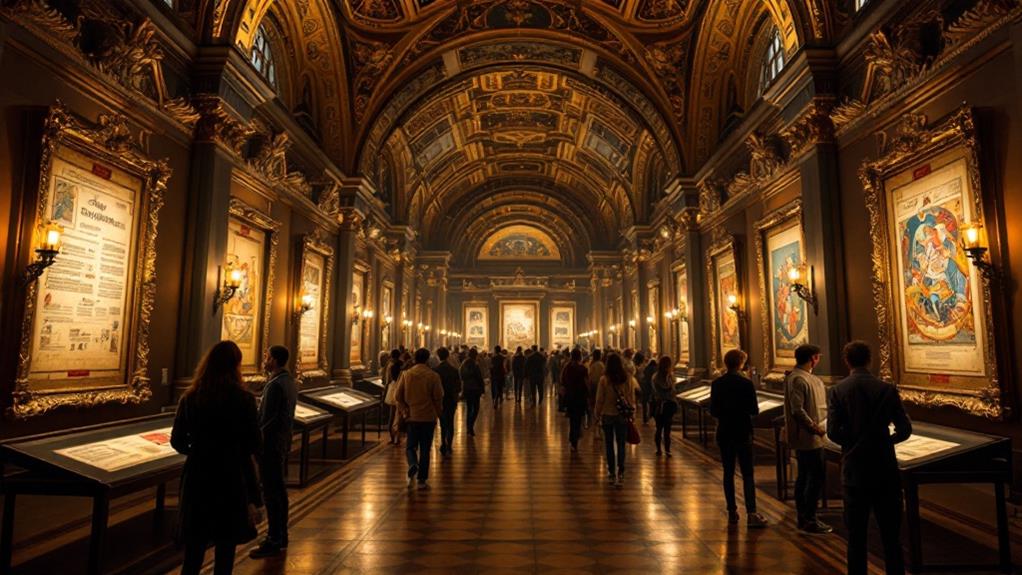
When you investigate the world's top museums, you're in for a treat with their incredible folio collections. At the British Library, you'll find historical gems like ancient maps and literary works. The Vatican holds stunning illuminated manuscripts that tie art with faith. The Morgan Library features rare books, including the revolutionary Gutenberg Bible. The Louvre's folios reflect centuries of art history with masterful illustrations. And, at the Getty, you'll uncover how modern technology maintains the integrity of historical manuscripts. Each of these museums holds stories that span centuries, revealing secrets you'll surely want to delve into further.
The British Library's Treasures
When you explore the British Library's Gems, you'll reveal an unparalleled collection of historical folios that span centuries. This collection houses an array of British artifacts, each with its own rich history and significance. As you investigate these collections, you'll find manuscripts that have been carefully preserved, offering a unique window into the past. The British Library takes great pride in its manuscript preservation efforts, ensuring that these invaluable documents remain intact for future generations to study and appreciate.
You'll find yourself captivated by the variety of artifacts, from ancient maps to rare literary works that have shaped British culture and knowledge. Each folio in the collection has been thoroughly cataloged and maintained, showcasing the Library's commitment to protecting these historical artifacts. The preservation process involves a combination of traditional techniques and modern technology, ensuring that the manuscripts remain as close to their original condition as possible.
Illuminated Manuscripts at the Vatican
As you leave the riches of the British Library behind, your journey brings you to the Vatican, home to some of the world's most exquisite illuminated manuscripts. These ancient books aren't just visually stunning; they encapsulate medieval artistry and religious significance in every gilded page. You find yourself marveling at the intricate designs and radiant colors that showcase the skill and devotion of their creators. Each manuscript is a reflection of the painstaking work that monks and scribes undertook in monasteries, where they transformed text into a divine experience.
In the Vatican, the illuminated manuscripts are more than just historical artifacts; they serve as spiritual relics. You can't help but feel a sense of awe as you gaze upon the pages of the Book of Hours or the Vatican Virgil. These works were not merely meant for reading; they were designed to inspire reflection and devotion, often commissioned by the church or wealthy patrons. The manuscripts reveal not only the stories of the Bible but also the values and beliefs of a period where faith and art were closely intertwined. As you investigate, you're reminded of the enduring legacy of these masterpieces.
The Morgan Library's Rare Books
Stepping into the Morgan Library, you can't help but be captivated by its collection of rare books that spans centuries. The library is a wealth of literary history, housing some of the most significant Morgan manuscripts and rare folios. As you investigate, you'll reveal texts that have shaped the literary and cultural landscapes of the world.
The Morgan Library's rare folios include works by notable authors and thinkers. Imagine holding a folio that once belonged to a renowned philosopher or scribe. These texts are more than books; they're artifacts, each with a story waiting to be uncovered. The manuscripts offer a glimpse into the past, shedding light on the evolution of ideas and artistry.
You'll find the awe-inspiring Gutenberg Bible, one of the earliest books ever printed with movable type, a reflection of the dawn of the printing revolution. The library's collection also boasts original manuscripts by literary giants like Charles Dickens and Jane Austen. Each piece, carefully preserved, tells a story of its own.
Visiting the Morgan Library gives you a chance to connect with history, to see firsthand the rare folios that have influenced generations.
Folios of the Louvre
Situated in the heart of Paris, the Louvre offers an extraordinary collection of folios that captivates historians and art lovers alike. When you step into this iconic museum, you're immediately drawn to the rich tapestry of artistic significance that each folio presents. The Louvre collection spans centuries, showcasing a diverse array of works that reflect the cultural and historical evolution of art.
As you investigate, you'll uncover folios that contain intricate illustrations and calligraphy from different periods and regions. These artifacts aren't just pages from history; they are windows into the minds of the artists who created them. Each folio in the Louvre collection offers a unique glimpse into how art and literature have intertwined through time.
The folios' artistic significance cannot be overstated. They include works from renowned artists whose innovations shaped the course of art history. By examining these pieces, you gain insight into the societal and cultural influences that inspired the artists. The folios at the Louvre invite you to engage with art in a way that's both educational and deeply personal, encouraging a deeper appreciation of the craftsmanship and creativity that define this remarkable collection.
The Getty's Historical Manuscripts
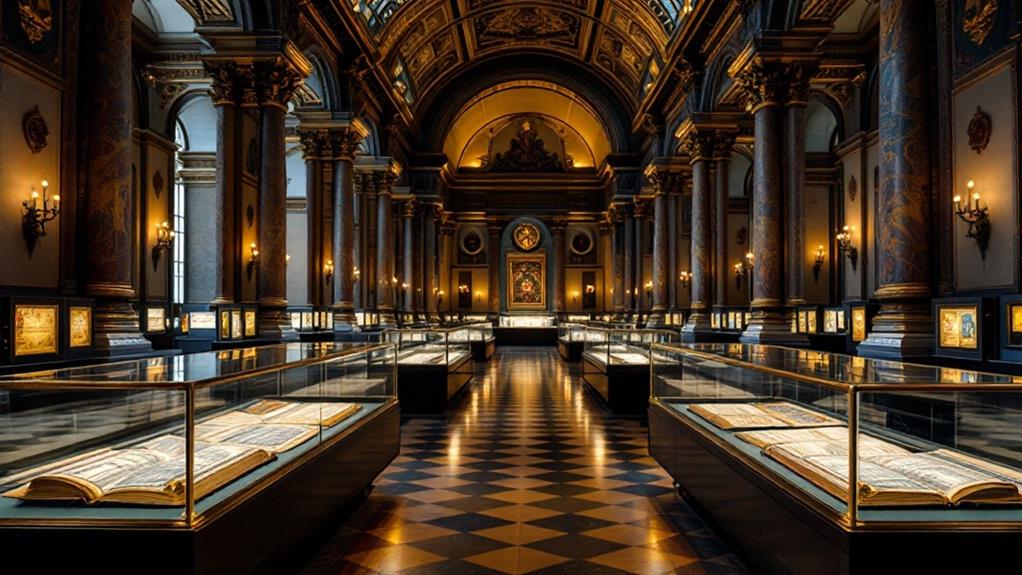
Within the prestigious halls of the Getty Museum, historical manuscripts offer a fascinating glimpse into the past. As you wander through the exhibits, you'll encounter an impressive collection that showcases the rich tapestry of human history. The Getty's commitment to manuscript preservation guarantees that these invaluable pieces are protected and maintained for future generations to appreciate.
You might wonder how such fragile artifacts are kept in pristine condition. The Getty employs state-of-the-art preservation techniques to combat the effects of time and environment. By controlling temperature and humidity, they prevent deterioration, while expert conservators thoroughly restore and conserve these artifacts. This dedication guarantees that each manuscript retains its historical integrity and beauty.
But it's not just about preserving the physical manuscripts. The Getty also adopts modern technology by providing digital access to its collections. You can investigate these manuscripts online, gaining insight into their intricate details without leaving your home. This digital access broadens the reach of the Getty's collection, allowing scholars, students, and history enthusiasts worldwide to study and appreciate these historical documents. By combining preservation with accessibility, the Getty Museum bridges the past and the present, inviting you to uncover history's written legacy.
Related posts