Exploring the Artistic Beauty of Religious Folios in History
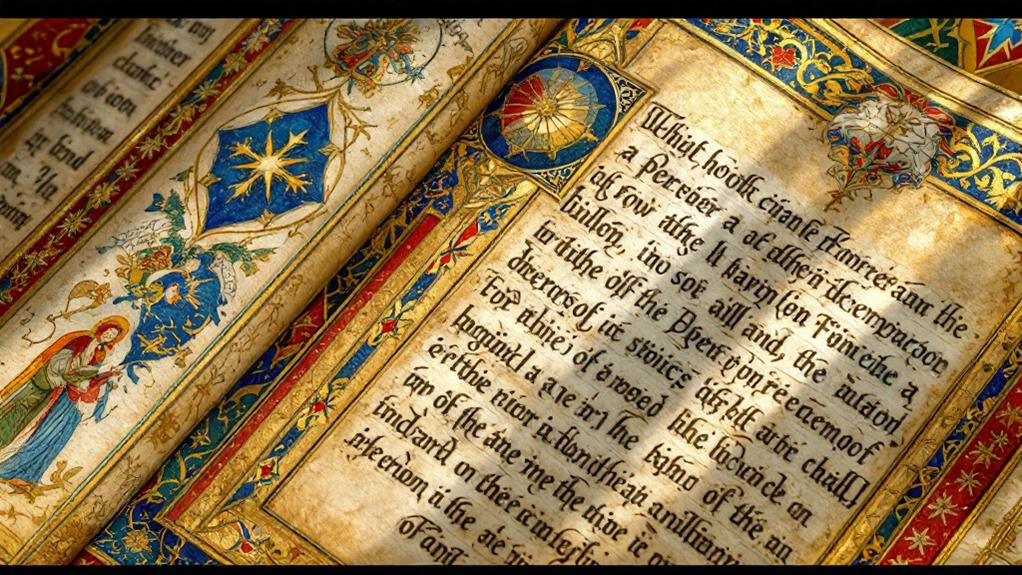
When exploring the artistic beauty of religious folios in history, you uncover a tapestry of art and spirituality woven across cultures. These sacred texts are adorned with painstaking details like exquisite calligraphy, lively colors, and intricate gold leafing. They not only reflect divine devotion but also capture the ingenuity of ancient artisans. Regardless of it being the ornate illuminated manuscripts of medieval Europe or the profound symbolism in Islamic, Buddhist, Hindu, and Jewish texts, each folio reveals a unique cultural heritage. By uncovering these masterpieces, you'll gain insight into the sophisticated techniques and enduring legacy they've left behind.
Origins of Religious Folios
Some trace the origins of religious folios back to ancient civilizations where sacred texts were diligently crafted by skilled scribes. You'd find that these scribes used ancient scripts to document beliefs, laws, and stories that held immense cultural significance. Imagine the dedication required to inscribe each character with precision, ensuring that no meaning was lost over generations. This careful process wasn't just about transferring words onto a medium; it was about preserving a cultural legacy.
In these early days, religious folios weren't mere books; they were revered artifacts. The creation of these texts involved selecting materials like papyrus or parchment, which were then prepared to last for centuries. The scripts, often in languages that only a few could understand, carried the weight of a community's spiritual and moral compass. As a reader, you would appreciate the intricate designs and symbols that often adorned these folios, reflecting the deep cultural significance they held.
These ancient texts served as a bridge between the divine and the mortal, guiding civilizations through their complexities. By understanding their origins, you gain insight into how deeply religion and culture were intertwined from the very beginning.
Illuminated Manuscripts of Europe
In the rich tapestry of religious folios, the illuminated manuscripts of medieval Europe stand out as masterpieces of artistry and devotion. As you investigate these works, you'll uncover the intricate details and lively colors that define gothic illumination. These manuscripts were crafted in medieval scriptoriums, where skilled scribes and artists poured their talents into each page. The illuminated manuscripts served both to glorify the divine and to make the scriptures more accessible and engaging to their audience.
To truly appreciate these artistic wonders, consider the following elements:
- Lively Colors: Artists used crushed gemstones and metals to create pigments that have stood the test of time, ensuring each page dazzles with life.
- Intricate Designs: Flourishing borders, ornate initials, and detailed miniatures showcase the exceptional skill and creativity of medieval artists.
- Symbolism: Each illustration is imbued with religious symbolism, offering deeper meaning and insight into the spiritual narratives depicted.
- Labor of Love: Manuscripts were often the result of months, sometimes years, of dedicated work, reflecting the devotion of those who crafted them.
The Art of Islamic Calligraphy
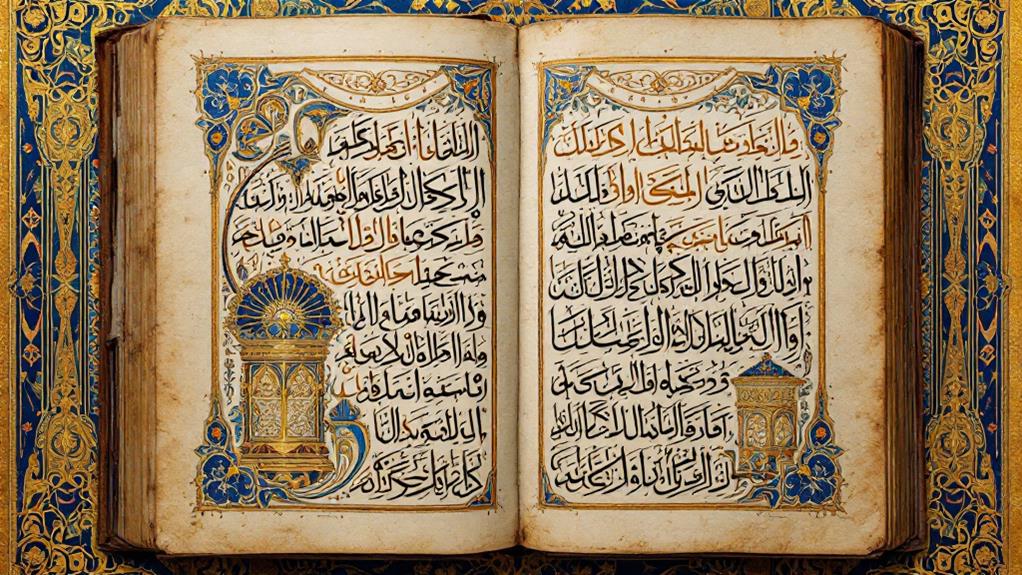
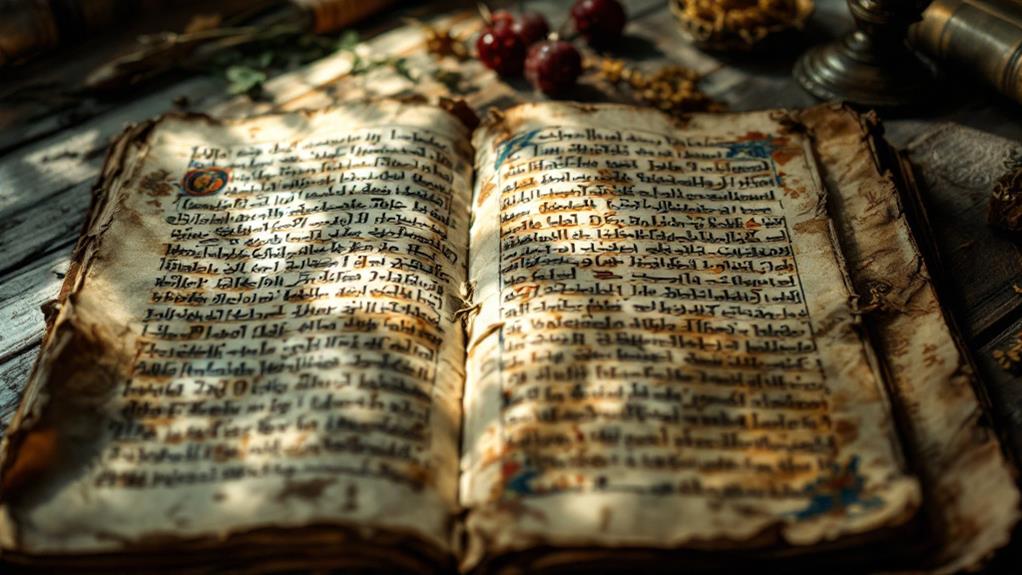
Exploring the art of Islamic calligraphy reveals a tradition where words transcend mere communication to become a form of visual devotion. It's an art form where the beauty of the script itself holds profound spiritual significance. As you penetrate this world, you'll uncover that Islamic calligraphy isn't just about writing; it's about crafting an aesthetic expression of faith and reverence.
In Islamic culture, calligraphic styles vary greatly, each with its unique characteristics. You might encounter styles like Kufic, known for its geometric precision and angularity, or Naskh, celebrated for its fluidity and readability. Each style serves a distinct purpose, regardless of adorning the walls of mosques or embellishing the pages of sacred texts. By choosing a specific style, calligraphers convey not only the message of the words but also the spiritual essence they embody.
As you appreciate these intricate designs, you'll notice that Islamic calligraphy often incorporates intricate patterns and motifs. These elements aren't merely decorative; they enrich the spiritual experience by drawing the viewer's eye toward the divine. This fusion of art and faith guarantees that Islamic calligraphy remains a timeless and enchanting tradition.
Buddhist Texts and Illustrations
Buddhist texts and illustrations offer an enchanting window into the rich tapestry of Buddhist thought and practice. As you investigate these lively folios, you'll notice how they elegantly weave together narrative, philosophy, and artistry. The intricate details found in Buddhist iconography not only captivate your eyes but also convey profound spiritual teachings. Sacred geometry plays an essential role in these illustrations, guiding you through their complex symbolism and underlying wisdom.
When delving into Buddhist texts, you'll uncover a variety of artistic elements that improve their spiritual significance:
- Buddhist Iconography: This encompasses a wide array of symbols, each representing different aspects of the Buddha's life and teachings. From the lotus flower to the Dharma wheel, these symbols offer insight into the path to enlightenment.
- Sacred Geometry: The use of geometric patterns creates a sense of harmony and balance, reflecting the interconnectedness of all things in the universe.
- Narrative Illustrations: These striking depictions bring stories from the Buddha's life to life, helping you better understand key teachings and concepts.
- Calligraphic Texts: Beautifully rendered scripts accompany the illustrations, emphasizing the significance of the words and improving the overall aesthetic experience.
Hindu Manuscripts and Symbolism
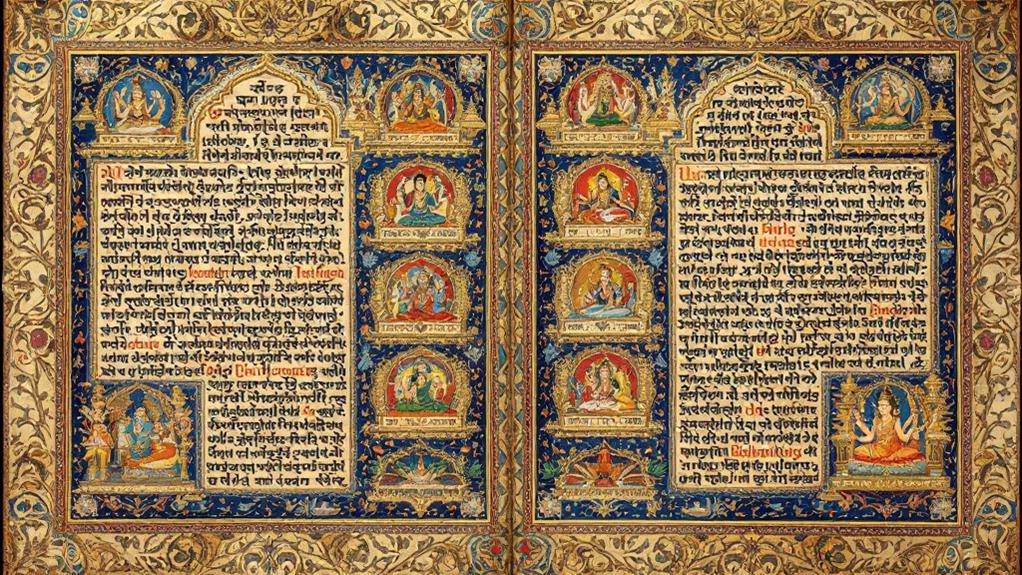
Just as Buddhist texts captivate with their intricate artistry, Hindu manuscripts offer a similarly mesmerizing glimpse into spiritual wisdom through their rich symbolism. When you investigate these ancient texts, you'll notice how sacred geometry plays an essential role in conveying spiritual concepts. Patterns like mandalas and yantras aren't mere decorations; they're profound symbols representing the universe and the divine's omnipresence. They guide you through layers of meaning, inviting contemplation and deeper understanding.
In these manuscripts, you'll encounter vibrant depictions of divine narratives, bringing to life tales from the Vedas, Upanishads, and epics like the Mahabharata and Ramayana. Each illustration isn't just a visual treat; it's a narrative device, offering insights into the divine play of gods and goddesses. As you examine these works, you'll see how artists integrate symbolism to express complex philosophical ideas, making them accessible and engaging.
The colorful hues and detailed precision in these manuscripts reflect the devotion and skill of the artists. By appreciating these elements, you'll gain a richer perspective on how art and spirituality intertwine in Hindu culture, revealing timeless stories and universal truths.
Jewish Scriptural Art
The majesty of Jewish scriptural art lies in its ability to transform sacred texts into visual masterpieces that capture the essence of faith and tradition. When you investigate these historical works, you uncover a rich tapestry woven with intricate Hebrew Typography and vivid Torah Illustrations. These elements aren't just decorative; they serve as a bridge connecting past to present, offering insights into Jewish culture and spirituality.
When delving into Jewish scriptural art, keep an eye out for these key aspects:
- Hebrew Typography: Pay attention to the beautiful, flowing script. Each letter is crafted with precision, reflecting not just the text's meaning but its spiritual significance.
- Torah Illustrations: These illustrations often depict biblical scenes, bringing stories to life and enhancing the reader's engagement and understanding.
- Symbolism: Diverse symbols like the menorah or Star of David might appear, each carrying deep cultural and religious meanings.
- Historical Context: The art often reflects the historical and geographical context in which it was created, offering a glimpse into the life and times of Jewish communities across the centuries.
Materials and Techniques Used
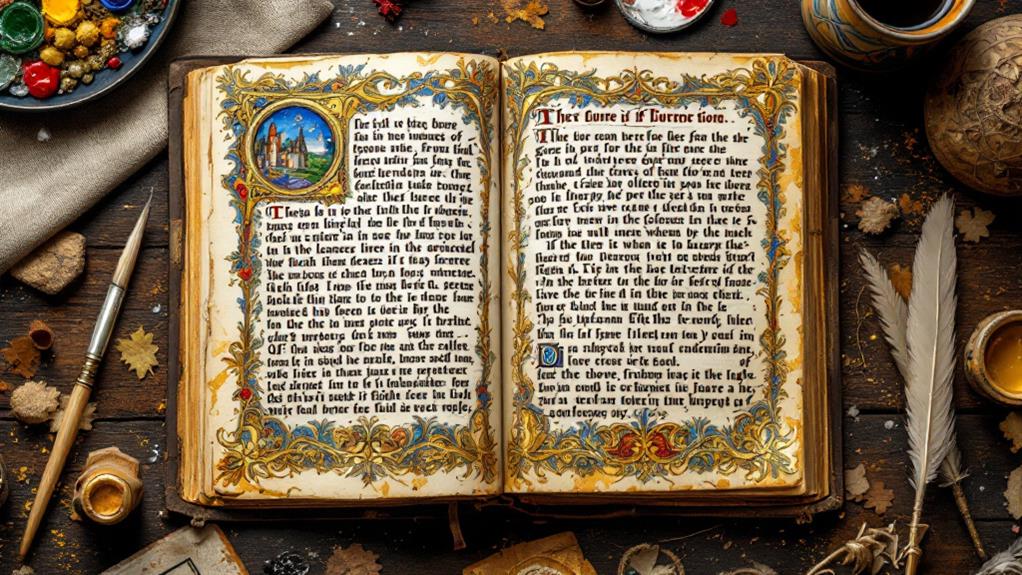
When exploring the materials and techniques used in religious folios, you'll uncover the careful craftsmanship that goes into these exquisite works of art. The expedition begins with parchment preparation, a detailed process where animal hides are cleaned, stretched, and treated to create a smooth writing surface. This foundation is essential for the longevity and clarity of the manuscript.
Next, consider the ink formulation. Artisans often mixed natural substances like soot or plant extracts to produce rich, enduring inks. The choice of ink directly influences the manuscript's legibility and preservation. Gold leafing is another remarkable technique used to embellish these folios. Applying thin layers of gold enhances the visual appeal and signifies the text's sacred significance.
Color sourcing was an art in itself, involving the collection of minerals, plants, and other natural materials to create lively pigments. These colors brought life to illuminated manuscripts, enhancing their narrative and spiritual significance. Binding techniques were similarly significant, ensuring the folios were both durable and functional. Ultimately, manuscript preservation was a priority, with techniques developed to protect these valuables from the ravages of time, allowing them to be appreciated for generations.
Influence on Modern Art
While religious folios were created centuries ago, their influence on modern art is undeniable and widespread. You can see how artists today draw from the spiritual symbolism found in these ancient texts. These folios, with their intricate details and profound messages, inspire contemporary interpretations that resonate with modern viewers. Artists often integrate these historical elements into their work, creating a bridge between the past and present.
Here's how they influence modern art:
- Spiritual Symbolism: Artists incorporate symbols from religious folios to express universal themes, creating a deeper connection with their audience. This symbolism offers a rich narrative that transcends time.
- Visual Techniques: The detailed craftsmanship of folios inspires modern artists to experiment with similar techniques, leading to groundbreaking styles and mediums that captivate viewers.
- Cultural Fusion: By blending traditional motifs with modern aesthetics, artists develop unique pieces that reflect diverse cultural heritages, showcasing the timeless relevance of these ancient artworks.
- Narrative Depth: Folios tell stories through art, and modern creators use this storytelling approach to add layers of meaning to their work, engaging the audience in new and thought-provoking ways.
These influences guarantee that the beauty of religious folios continues to thrive in the world of modern art.
Related posts