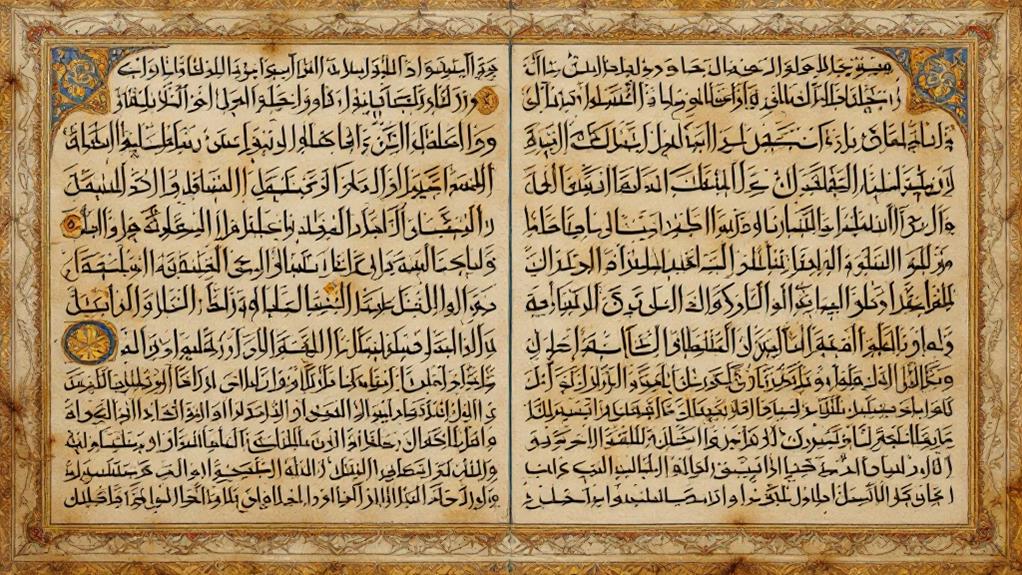
Evolution of Script Styles in Folios: A Study of Language Development
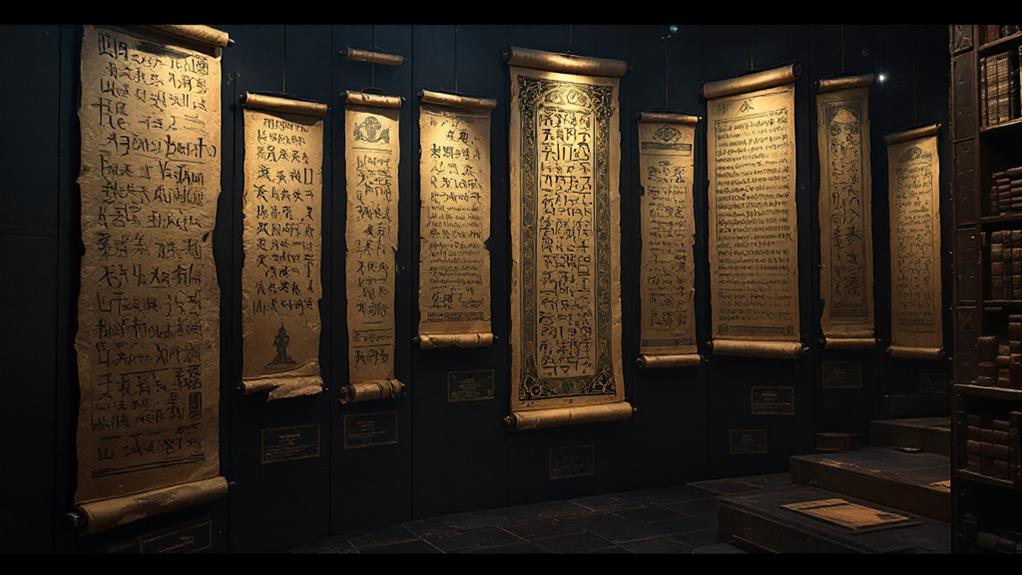
You're initiating a quest through the evolution of script styles, where language development is vividly illustrated. From ancient glyphs like Egyptian hieroglyphs to digital typography, each period reflects cultural values and communication needs. Classical scripts, such as Greek and Roman, influenced the formation of Western alphabets, while medieval innovations improved manuscript readability. The Renaissance prioritized artistic expression, and the Industrial Revolution standardized fonts for mass printing. In the contemporary digital landscape, the variety of script styles is endless, providing global access to historical designs. This evolution holds many fascinating stories about how our written language has transformed over time.
Ancient Glyphs and Symbols
Uncovering the mysteries of ancient glyphs and symbols takes you on a fascinating expedition into the past. As you investigate these ancient inscriptions, you'll find that they're more than mere decorative art; they're a profound form of symbolic communication. Each glyph and symbol tells a story, revealing the cultural significance of the civilization that created it. These symbols are not just artistic representations but also reflect the script evolution over time.
When you examine the world of ancient inscriptions, you're engaging with a diverse array of linguistic systems. These systems highlight the linguistic diversity that existed long before modern languages took shape. For instance, Egyptian hieroglyphs and Mayan glyphs showcase how different cultures used symbols to convey complex ideas and narratives. This diversity underscores the adaptability and creativity inherent in human communication.
Classical Scripts and Their Influence
In exploring classical scripts, you'll uncover how they've not only shaped written communication but also greatly influenced cultures and languages throughout history. Greek calligraphy, with its elegant and precise forms, laid the groundwork for Western alphabetic scripts. You can observe its cultural significance in the way it preserved philosophical texts and scientific treatises. Roman inscriptions, etched in stone, showcased the power and permanence of the Roman Empire, influencing legal documents and monumental architecture. Their block letters, known for clarity and strength, set a standard for script aesthetics that resonates even today.
Asian scripts, such as Chinese calligraphy, offer a rich tapestry of cultural significance and stylistic variations. They reflect philosophical principles and convey emotion through brush strokes, making them more than just a means of communication. Gothic lettering emerged in medieval Europe, characterized by its intricate and ornate style, which later influenced cursive evolution. This shift to more fluid and connected forms of writing allowed for quicker communication and personal expression.
Medieval Manuscript Innovations
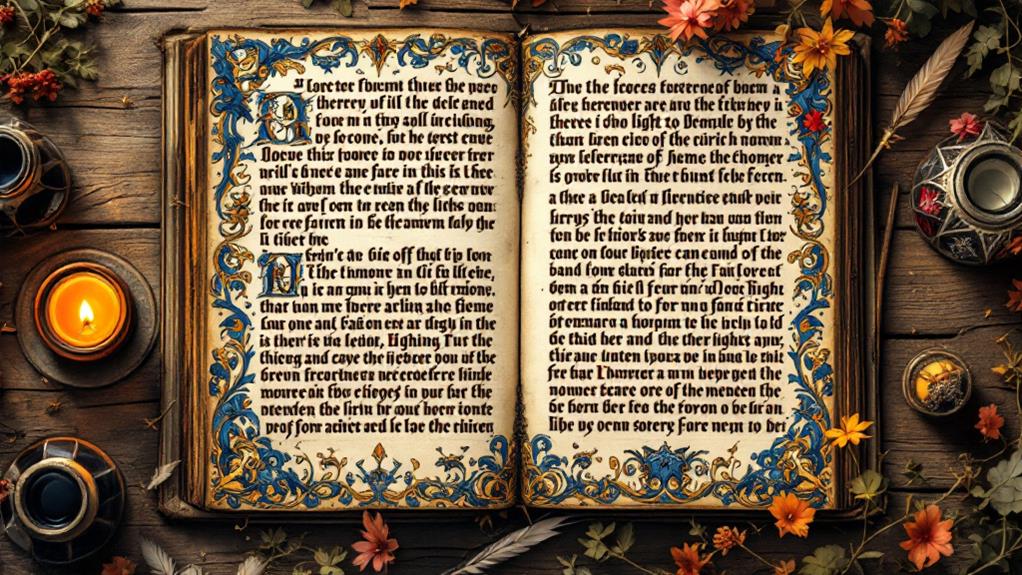
During the medieval period, a multitude of innovations transformed the art of manuscript creation. As you investigate this time, you'll notice how script adaptation played an essential role. Scribes developed new styles to improve readability and efficiency, which greatly influenced the preservation of manuscripts. The introduction of minuscule scripts, for example, allowed for more compact and legible texts, minimizing errors and conserving materials.
Scribal practices evolved to meet the demands of growing literacy and knowledge dissemination. You'd find that scribes began to employ standard abbreviations and symbols, streamlining the copying process. They also used distinct punctuation marks to enhance comprehension, which was a key innovation for the period's burgeoning academic and religious communities.
Cultural exchange further fueled these innovations. With increased interaction across regions, diverse script styles blended, leading to unique regional adaptations. You'd observe how the Gothic script, for instance, emerged from this fusion, becoming a hallmark of medieval European manuscripts. This cross-pollination of ideas and techniques not only enriched the visual appeal of manuscripts but also guaranteed their survival through improved manuscript preservation methods. These innovations laid the groundwork for future script developments.
Renaissance Calligraphy and Expression
As the medieval age gave way to the Renaissance, calligraphy blossomed into a form of artistic expression that celebrated human creativity and intellect. You'd find that Renaissance aesthetics emphasized beauty, balance, and harmony, which were clearly reflected in the calligraphic styles of the time. Artists began to experiment with different calligraphic techniques, merging intricate script with elegant flourishes to create works that were not just legible but visually stunning.
During this period, calligraphy wasn't just about writing—it was a cultural phenomenon influenced by the revival of classical learning and art. Humanist scripts emerged, inspired by ancient Roman lettering, and became widely popular. You'd notice that these scripts prioritized clarity and clean lines, embodying the Renaissance's focus on human-centered design and thought.
Cultural influences were evident as well; the exchange between different regions led to a fusion of styles. Italian, French, and Burgundian calligraphers shared ideas, leading to the development of unique regional scripts. As you investigate these folios, you'll see how calligraphy in the Renaissance wasn't merely functional but a true form of artistic expression, echoing the period's broader intellectual and cultural shifts.
Industrial Revolution and Print
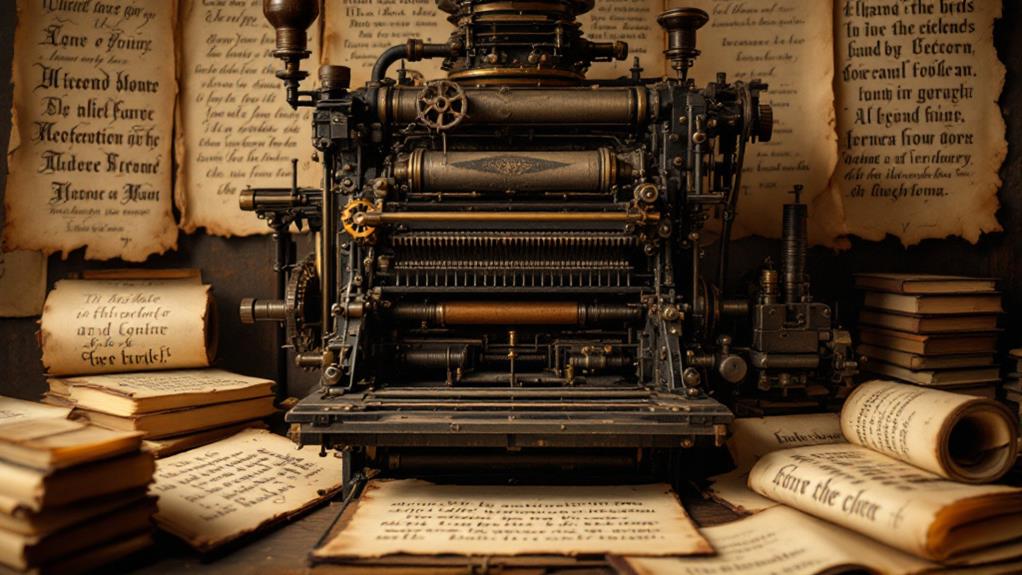
Amidst the sweeping changes of the Industrial age, you'll find that the world of print underwent transformative advancements. This period marked a significant shift in typeface evolution, driven by the need for efficiency and mass production. As factories sprouted and cities grew, the demand for printed materials surged. You'd notice that new print technologies, like the steam-powered printing press, made it possible to produce books, newspapers, and folios faster and more economically than ever before.
During this time, typefaces evolved dramatically. Gone were the days when each letter was painstakingly carved by hand. Instead, you'd see the rise of standardized fonts, designed for clarity and speed. Serif typefaces like Times New Roman and sans-serif styles began to appear, offering a wide range of options for printers and publishers. These new fonts not only improved readability but also catered to the diverse needs of an expanding readership.
Print technology also saw innovations like lithography and the Linotype machine, which transformed the way text was set and printed. These advancements allowed for quicker, more precise production, laying the groundwork for the modern print industry you recognize today.
Digital Transformation of Scripts
The evolution of print technology in the Industrial Revolution laid the groundwork for a likewise profound shift in the electronic era. As you navigate this digital transformation, you'll notice that digital typography has completely reshaped the way scripts are created and consumed. The times when script styles were limited to the capabilities of printing presses are over. Now, with digital tools, you can investigate an infinite variety of fonts and styles with just a few clicks. This accessibility allows for greater creativity and personalization, making script styles more dynamic and adaptable than ever before.
Digital typography also plays a significant role in script preservation. You can digitize historical scripts, ensuring they're not only stored safely but also accessible to future generations. This digital archiving process helps protect these valuable cultural artifacts from physical degradation. Moreover, the ability to easily replicate and share scripts digitally means you can engage a global audience, promoting appreciation and understanding of diverse script styles.
In this electronic era, it's easier than ever to experiment with script styles while preserving the integrity of historical scripts. You're now part of a community that values and perpetuates the rich tapestry of written language across time and technology.
Future Trends in Script Styles

Looking ahead, script styles are poised for transformative innovations, driven by advancements in technology and changing cultural dynamics. You'll notice a strong shift towards minimalist aesthetics, where simplicity speaks volumes. This trend welcomes clean lines and uncluttered designs, offering clarity in communication. As cultures blend, cultural fusion in scripts will become more pronounced, incorporating elements from diverse heritages into cohesive, global script styles.
Playful typography will also gain momentum, injecting fun and creativity into otherwise mundane texts. Imagine letters that dance and twist, engaging users in new ways. Augmented reality will play a vital role in this evolution, bringing dynamic lettering to life. You'll experience scripts that change with your perspective or environment, offering a personalized interaction with text.
In a time conscious of environmental impact, sustainable design in script styles will rise. This includes digital formats that reduce paper waste and energy-efficient typefaces. Script personalization will be key, allowing you to tailor fonts to your specific needs and preferences, enhancing user engagement. As these trends converge, the future of script styles will be an exciting blend of innovation and tradition, deeply connected to technological and cultural shifts.
Related posts