Ethical Issues in Manuscript Restoration: What’s at Stake?

In manuscript restoration, you grapple with ethical issues like preserving historical integrity while enhancing readability. Each manuscript speaks of a unique history; altering it risks losing authenticity. You're tasked with reversible and period-appropriate techniques to maintain its original character. Decisions should balance intervention with respect for its past, without rendering it illegible. As a conservator, your responsibilities include safeguarding cultural heritage and consulting communities that claim these artifacts. Technology aids but can complicate ethical decisions, necessitating transparency. Accept this delicate dance of preservation, and uncover how to navigate these challenges effectively.
Balancing Restoration and Preservation
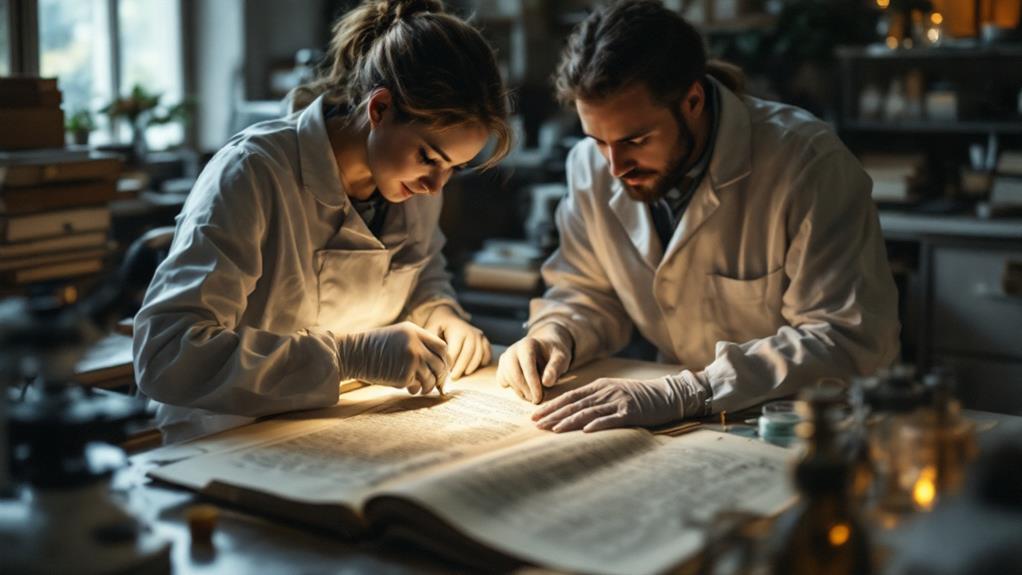
Balancing restoration and preservation is a delicate act that requires careful consideration of both the historical integrity and the aesthetic appeal of manuscripts. When you're faced with a fragile manuscript, decisions must honor the past while ensuring the document's future. Each manuscript carries its own historical context, a narrative that mustn't be overshadowed by modern interventions. Your challenge lies in maintaining this historical narrative without compromising the manuscript's aesthetic integrity.
You need to understand that every tear, stain, or faded word tells a story of its path through time. Restoring a manuscript isn't just about making it look new; it's about preserving its passage. You must ask yourself: How can you improve a manuscript's readability and visual appeal while respecting its original character? Consider using techniques that are reversible, ensuring that any restoration work doesn't permanently alter the manuscript's historical fabric.
You should focus on using materials and methods that align with the manuscript's period, ensuring that any enhancements blend seamlessly. By doing so, you can safeguard its authenticity, allowing future generations to appreciate both its aesthetic and historical significance. Balancing these elements is crucial for responsible restoration.
Authenticity Versus Alteration
While attempting to restore a manuscript, you often face the dilemma of authenticity versus alteration. On one hand, maintaining the original intent of the creator is essential. You want to preserve the manuscript's integrity and respect the creator's vision. However, time and damage may have obscured that intent. Determining how much to alter the manuscript to make it legible or complete again can be challenging.
Balancing authenticity with necessary changes requires understanding the historical context of the manuscript. You must ask yourself: What materials and methods were originally used? What cultural or historical significance does it hold? This understanding can guide your restoration decisions, ensuring that any alterations align with the period and style of the original work.
The stakes are high. Alter too much, and you risk losing the manuscript's authenticity, creating something new rather than preserving history. Alter too little, and you might leave a damaged, illegible piece that fails to convey its original meaning. You need to find a middle ground that respects the past while acknowledging the present condition of the manuscript. In doing so, you honor the original intent and historical context, safeguarding the manuscript's story for future generations.
Conservator Responsibilities
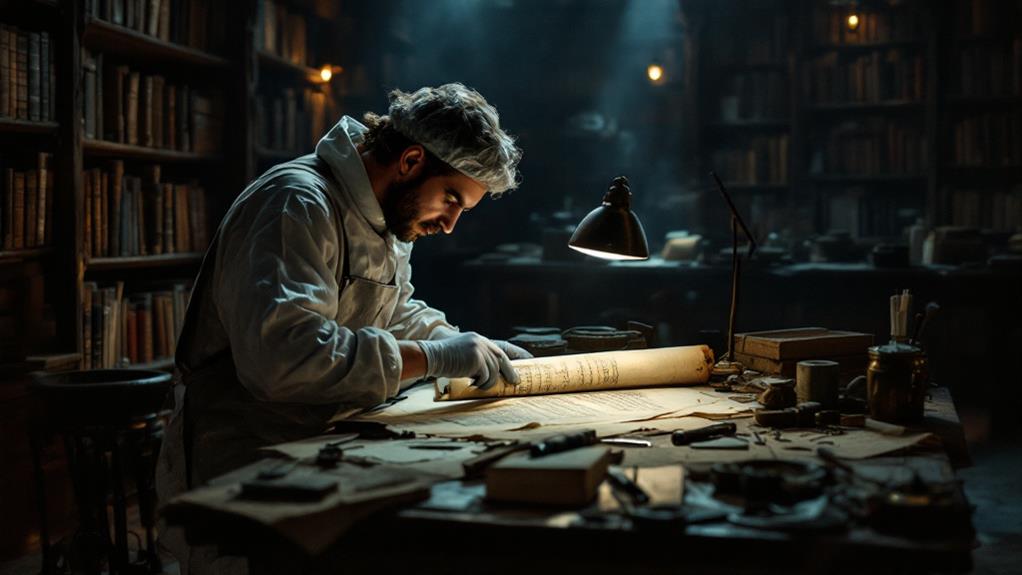
As a conservator, you hold a vital responsibility in preserving the integrity and legacy of manuscripts. Your role is significant in ensuring that these historical documents remain true to their original form, while also guaranteeing their longevity for future generations. Conservator training is critical, as it equips you with the skills needed to identify the best preservation techniques and methods. This training instills in you a deep understanding of the materials involved and the historical context of each manuscript.
Alongside technical expertise, ethical guidelines must guide your decisions throughout the restoration process. You face the challenge of maintaining a balance between necessary intervention and respecting the manuscript's authenticity. It's imperative that you don't impose your own interpretations or alterations beyond what's needed to stabilize the artifact.
Your duty also involves transparent communication with stakeholders, ensuring they're informed about the restoration process and any unavoidable changes. By adhering to ethical guidelines, you safeguard the authenticity and cultural significance of these manuscripts. It's vital to keep in mind that your work not only protects physical artifacts but also preserves the stories and histories they embody, serving as a bridge between past and present.
Technological Impact on Ethics
In the current rapidly evolving technological landscape, the ethical considerations in manuscript restoration have become increasingly complex. As you navigate this field, digital tools offer unprecedented capabilities to analyze and restore manuscripts. However, these advancements also present challenges. You must apply ethical guidelines carefully to guarantee that technology's use aligns with established restoration standards.
One major concern is the risk of over-reliance on technology. While it can improve restoration processes, it's vital to recognize technology limitations. Digital tools might not fully capture the nuances of original manuscripts, potentially leading to alterations that compromise integrity. You need to balance the use of such tools with traditional methods to maintain authenticity.
Moreover, ethical guidelines require you to be transparent about the extent of digital intervention. It's important to document all technological processes, assuring future restorers understand what changes have been made. This transparency supports accountability and helps maintain trust in your work.
Cultural Heritage Considerations
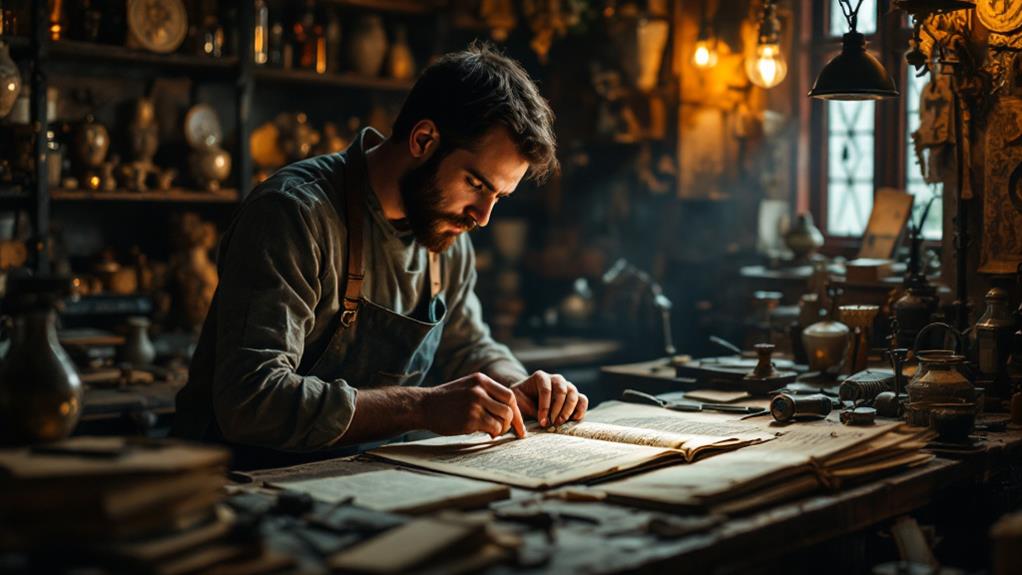
Preservation of cultural heritage is at the heart of manuscript restoration. When you restore a manuscript, you're not just saving old pages; you're safeguarding a piece of a community's identity and history. Every manuscript holds cultural significance, acting as a bridge between past and present. It's essential to understand the intrinsic value these documents hold for communities and guarantee their voices are heard in the restoration process.
Community involvement plays a vital role in respecting and preserving this heritage. By engaging with the communities connected to these manuscripts, you gain insights into the cultural context and significance of the texts. This collaboration helps make certain that restoration efforts honor the original intent and meaning.
Ignoring community input can lead to misinterpretations or loss of cultural nuances, which might strip the manuscript of its true value. As someone involved in restoration, you must prioritize involving those who are directly linked to the manuscript's heritage. Doing so not only enriches your understanding but also fosters a sense of shared responsibility and respect for the cultural significance embedded within these historical gems. By working together, you improve the preservation of these invaluable cultural artifacts.
Related posts