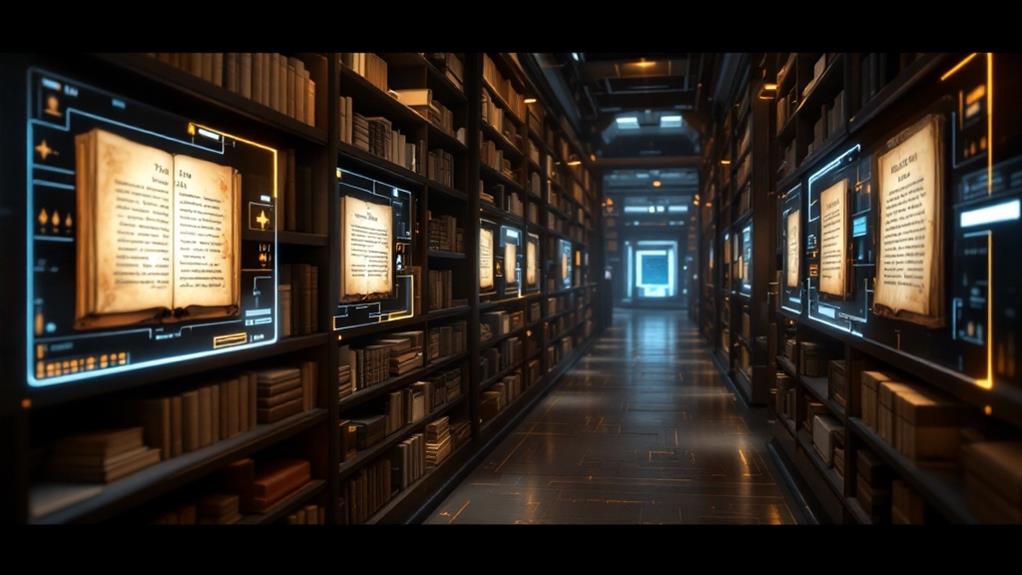
Dallas–Fort Worth Institutions Preserving the Art of the Written Page

When you stroll through Dallas–Fort Worth's literary landscape, you'll discover a wealth of institutions safeguarding our written heritage. From UNT’s digitized archives to the yellowed treasures at Recycled Books, these guardians preserve stories that might otherwise vanish.
Universities like TCU and SMU protect rare manuscripts while festivals and community workshops nurture emerging voices. Behind these efforts lies a question worth exploring: how do these institutions shape not just our past, but our literary future?
Historic Libraries Leading Literary Preservation Efforts
While digital formats increasingly dominate our information landscape, historic libraries across Texas are spearheading critical literary preservation efforts that safeguard our written heritage. You'll find institutions like the Dallas Historical Society (G. B. Dealey Library & Collections) maintaining extensive holdings that document the region's social and political evolution.
The UNT Libraries Special Collections and Cushing Memorial Library at Texas A&M employ advanced archival digitization initiatives to preserve rare books and manuscripts. These efforts extend beyond mere storage—they're active guardians of literary history.
The Dallas Historical Society’s collections include valuable papers from notable historical figures connected to North Texas civic and business life.
Targeted preservation funding enables the Fort Worth Public Library and its digital projects to focus on regional narratives that might otherwise fade from memory.
Together, these institutions guarantee that Texas’s written legacy remains accessible to researchers, historians, and curious citizens alike, bridging past and present through carefully preserved pages.
Independent Bookstores as Cultural Heritage Guardians
View this post on Instagram
Although chain retailers and digital platforms dominate today’s literary marketplace, independent bookstores across North Texas serve as irreplaceable guardians of cultural heritage. You'll find shops like The Wild Detectives curating regional voices through carefully selected Texas authors and themed displays. These literary havens offer personalized experiences you won’t find online—from “Blind Date with a Book” selections to intimate author talks at the TASCHEN Library at The Joule. Beyond retail, they’re bastions of community-driven programming through poetry nights, signings, and workshops. Recycled Books is one of the largest used bookstores in Texas, housed within Denton’s historic purple-painted Wright Opera House from the late 1800s. Major Texas universities function as guardians of literary history through expansive manuscript and special collections. TCU preserves significant political and regional papers, including the Jim Wright Papers, while UTA Special Collections houses the Virginia Garrett Cartographic History Library and the Texas Labor Archives. UNT has built notable holdings spanning everything from war-era poetry to local literature, complemented by robust digitization. SMU—through units such as the DeGolyer Library and Hamon Arts Library—prioritizes archival projects with thousands of unique materials and curated online exhibits. TCU also maintains family and ranching collections tied to North Texas history and the Fort Worth Stock Show. The University of Dallas contributes as a focused teaching archive, supporting research with rare books, manuscripts, and photographs documenting the Southwest’s heritage, all supported by finding aids and reference services for seamless access. Throughout the year, Texas’s literary landscape blooms with festivals that honor the state’s rich written traditions. Dallas–Fort Worth’s vibrant scene offers countless opportunities to engage with the written word: Behind every successful Texas writer stands a network of dedicated community organizations that nurture literary talent across the Dallas–Fort Worth metroplex. You'll find groups like DFW Writers’ Workshop and other critique circles hosting regular sessions where your manuscript can be refined through expert feedback. Need discipline? Shut Up & Write! meetups provide structured, low-pressure environments to overcome procrastination. The Nonfiction Authors Association offers specialized programming tailored to factual writing, while The Writer’s Garret organizes free and low-cost craft sessions across diverse literary subjects. Your achievements won’t go unnoticed—author recognition events abound through launches at local venues and during Dallas Is Lit programming. These organizations create a thriving ecosystem where writers connect with peers, mentors, and readers while developing professional publishing skills. While major publishing houses dominate national markets, Dallas–Fort Worth’s literary landscape thrives through specialized initiatives dedicated to amplifying regional voices. These platforms preserve authentic storytelling and create pathways for diverse perspectives. University and academic presses prioritize works tied to Texas culture and history while hosting workshops that nurture emerging talent from literary collectives across the metroplex. Independent publishers provide crucial platforms for underrepresented voices, partnering with bookstores and cultural centers to showcase grassroots storytelling. Local institutions and civic groups also produce data-rich annual reports and cultural publications that document the region’s evolving narratives—resources used by real estate professionals, policymakers, and community stakeholders alike. Digital accessibility ensures residents can engage with these publications, creating a democratic ecosystem where community-driven content flourishes alongside academic scholarship. The vibrant publishing landscape of Dallas–Fort Worth finds its natural complement in the region’s robust literary award programs. These recognition initiatives highlight exceptional Texas voices across multiple genres, with esteemed prizes such as the Texas Institute of Letters awards celebrating literary merit. The Writers’ League of Texas book recognitions welcome both traditionally published and independent authors and span multiple categories each year. Meanwhile, the Will Rogers Medallion Award honors Western literature across a broad range of forms. The Texas Book Festival annually elevates authors with featured selections and awards programming, while local contests tied to Dallas Is Lit foster community engagement through free poetry and prose opportunities that can lead to readings and publication.University Collections Safeguarding Rare Manuscripts
Literary Festivals Celebrating Texas Written Traditions
Community Organizations Championing Local Authors
Publishing Initiatives Supporting Regional Voices
Award Programs Recognizing Literary Excellence
Related posts