Bookbinding in History: How Folios Were Bound and Preserved
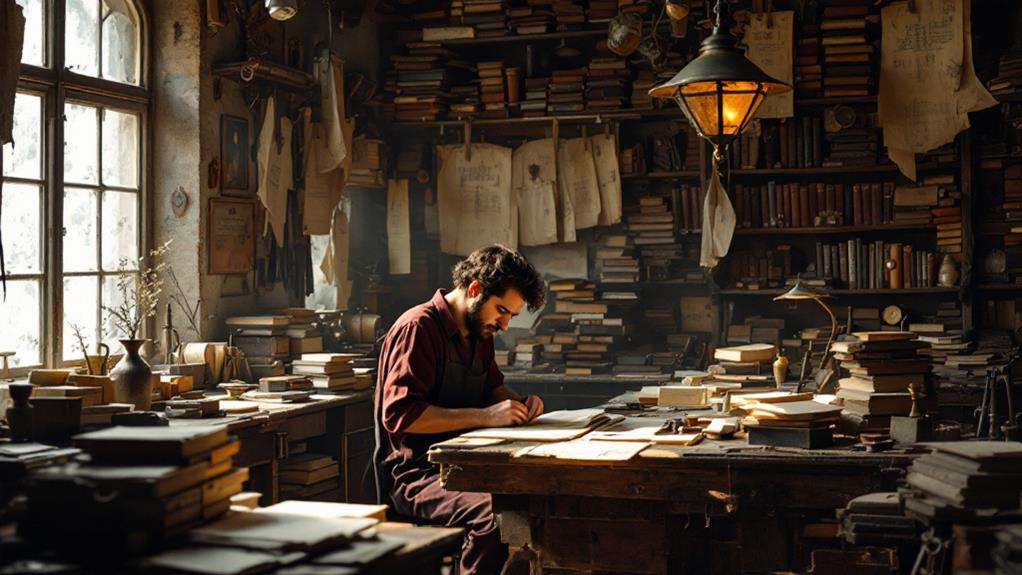
You're about to investigate the intriguing history of bookbinding, where folios were bound with remarkable skill and ingenuity. Starting with Coptic binding in ancient Egypt, artisans used methods like chain stitching for durability. In medieval times, craftsmen crafted strong bindings using vellum and linen threads, adding decorative touches like metal clasps. Renaissance innovations transformed bookbinding into an art, introducing tools for intricate designs. Materials like leather and cloth varied over time for functionality and elegance. Preservation of historical folios requires acid-free materials and environmental controls. So, let's uncover how these techniques have withstood the test of time.
Early Bookbinding Techniques
In the early days of bookbinding, artisans developed several techniques that laid the foundation for modern practices. One of the most notable methods was coptic binding, originating in Egypt around the 2nd century. You'd find this technique intriguing because it involves sewing sections of a book together using a chain stitch across the spine, allowing the book to lay flat when open. It's a favorite among modern bookbinders for its durability and aesthetic appeal. You can imagine how this technique made texts more accessible for reading and copying.
Meanwhile, Asian techniques offered a different approach to bookbinding. Traditional Chinese and Japanese methods, for instance, focused on simplicity and functionality. Books were typically bound using a stab binding style, where holes were punched along one edge, and threads were woven through to secure the pages. This technique was particularly suited for the paper types used in these regions, ensuring longevity and flexibility. By exploring these early techniques, you gain insight into the diverse methods that influenced bookbinding's evolution. Understanding these practices allows you to appreciate the rich history and craftsmanship behind the books you hold today.
Medieval Manuscript Binding
As you investigate the fascinating world of medieval manuscript binding, you'll uncover how binders stepped up their craftsmanship to protect and embellish valuable texts. During the medieval period, books weren't just sources of knowledge; they were treasures. Binding workshops buzzed with activity as skilled artisans used unique medieval tools to create beautiful and durable bindings. These tools included bone folders for creasing, awls for punching sewing stations, and specialized needles for intricate stitching.
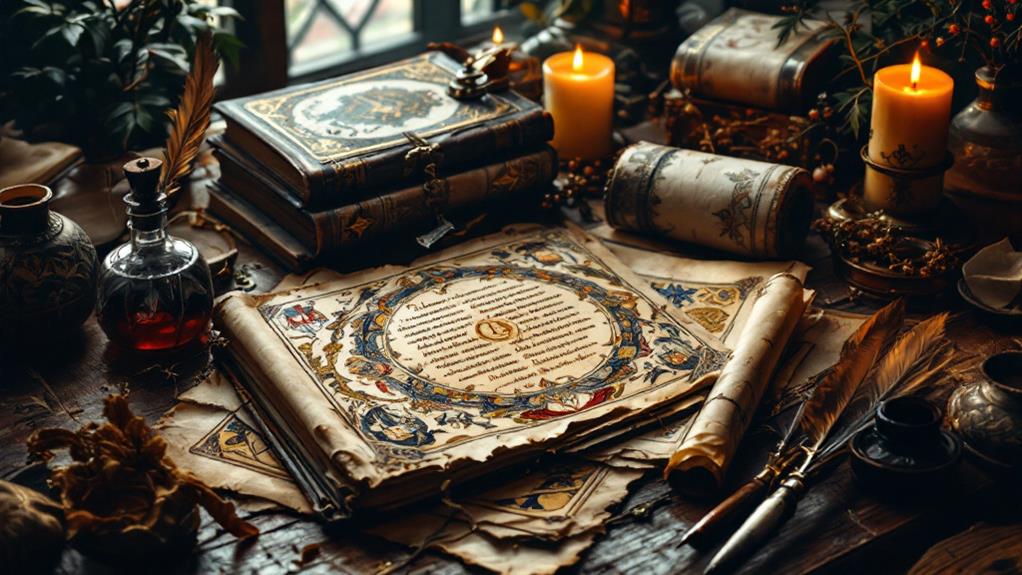
In binding workshops, the process began with preparing vellum or parchment pages, which were then sewn together using strong linen threads. The spine was reinforced with cords or leather strips to guarantee the book's stability. Once the text block was ready, it was attached to wooden boards, often covered in leather or fabric. Binders also added decorative elements like blind stamping or metal clasps, which not only improved the book's appearance but also protected it from damage.
These intricate techniques guaranteed that manuscripts could withstand the test of time, keeping their contents safe for future generations. So, when you hold a medieval manuscript, appreciate the artistry and skill that went into its creation, preserving history page by page.
Renaissance Innovations in Binding
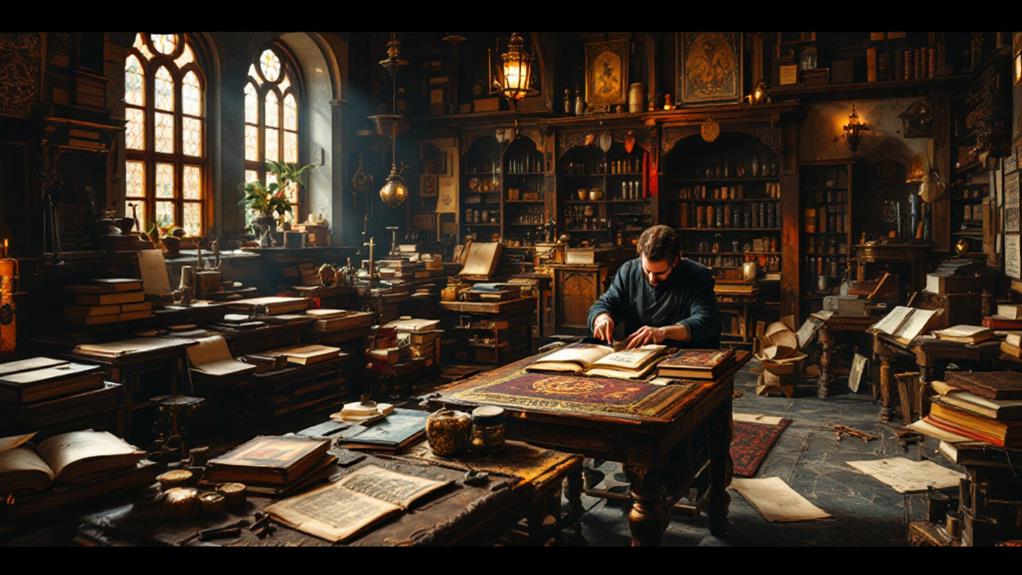
While the Renaissance age ushered in a wave of artistic and scientific advancements, it also brought groundbreaking innovations to the art of bookbinding. You'd notice that artisans during this time adopted new techniques that transformed books from simple, functional objects into exquisite works of art. The introduction of Renaissance tools allowed binders to achieve unprecedented precision and detail in their work. Tools like the rolling press and gilding equipment became crucial for creating intricate designs and embellishments on covers, making each book a unique masterpiece.
You'd be amazed by how binding aesthetics evolved during this period. Binders began to experiment with symmetry, geometric patterns, and elaborate motifs, often drawing inspiration from the architectural and artistic achievements surrounding them. They integrated features like raised bands on spines and lavishly decorated endpapers, which added a touch of elegance and sophistication to the finished product. This shift in aesthetics not only improved the visual appeal of books but also reflected the broader cultural emphasis on beauty and knowledge.
In exploring Renaissance innovations, you'll appreciate how these advancements in tools and aesthetics set the stage for modern bookbinding techniques, blending functionality with artistic expression.
Materials Used in Bookbinding
Throughout history, bookbinders have frequently chosen materials that improve both the durability and beauty of their creations. Leather has long been a popular choice, known for its strength and flexibility. It not only protects folios but also adds a touch of elegance. You'll find that many historical texts were bound using leather from diverse sources like calf, goat, or sheep. Each type has its own unique texture and durability, contributing to the character of the book.
Cloth is another common binding material, especially in more recent centuries. It's often used for its affordability and the ability to be dyed in lively colors, making books both durable and visually appealing. In line with sustainable practices, modern binders sometimes turn to recycled materials, such as paper and cloth scraps, to create environmentally friendly options.
Wood, once a staple in binding, especially during the medieval period, offered a sturdy and protective cover. While not as common today, it's still employed in specialty projects to give an authentic historical feel. By choosing materials thoughtfully, you're ensuring that your books not only withstand the test of time but also reflect a commitment to sustainability and aesthetic appeal.
Preservation of Historical Folios
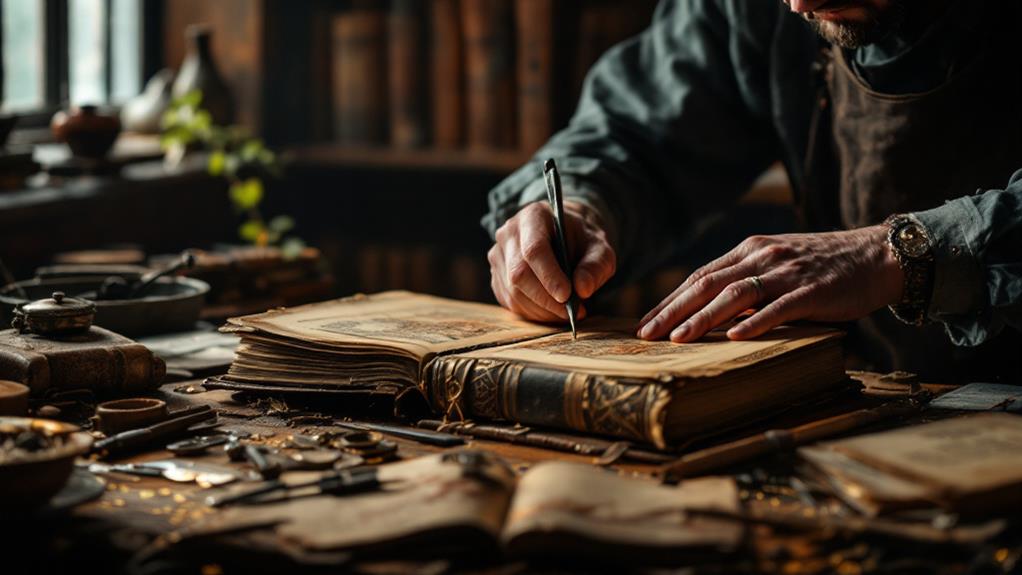
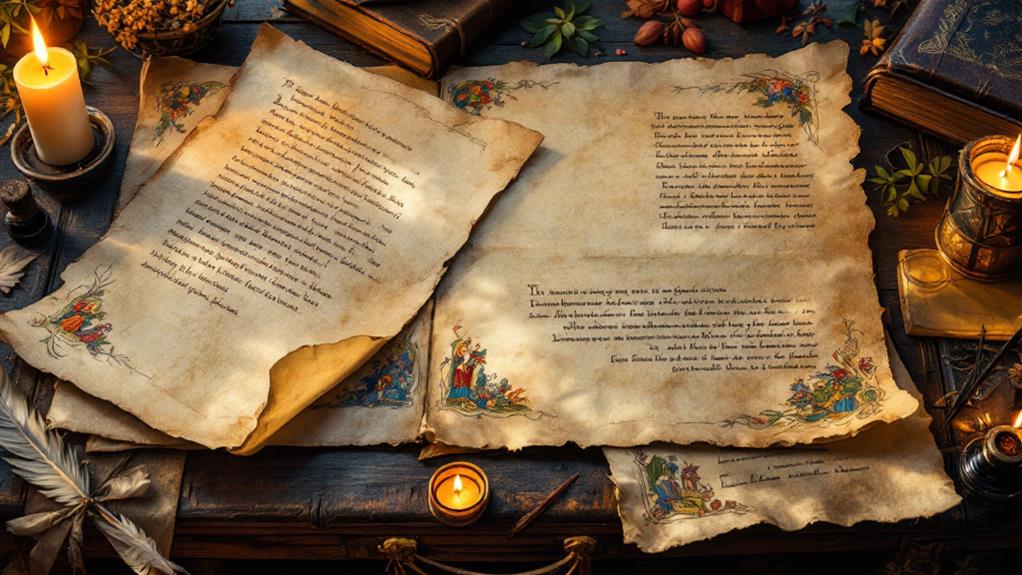
Preserving historical folios requires careful attention to the materials chosen for their binding. You must guarantee that the materials are not only durable but also suitable for long-term folio conservation. Choosing acid-free paper and using stable adhesives are essential steps in this process. Furthermore, it's critical to contemplate the environmental conditions where these folios are stored. By controlling temperature and humidity, you can prevent damage from mold, insects, or warping.
When implementing archival methods, you should:
- Use acid-free boxes or folders: These help protect your folios from harmful chemicals and physical damage.
- Monitor environmental conditions: Keep a close eye on temperature and humidity levels, ideally maintaining them at around 65-70°F and 45-55% relative humidity.
- Limit exposure: Minimize the folios' exposure to light, as UV rays can cause fading and deterioration.
- Handle with care: Always use clean, dry hands or gloves to prevent oils and dirt from transferring onto the folios.
Related posts