Best Outdoor Photography Spots in Texas with Architectural History
When you're scouting for architectural photography locations in Texas, you'll find a treasure trove beyond the familiar skylines of Dallas and Houston. The state's historical structures tell compelling stories through their designs—from Spanish colonial missions to Victorian courthouses and modernist marvels.
Each site offers unique lighting opportunities and compositional challenges that will test your photographic skills. What makes these architectural landmarks particularly engaging is how they interact with Texas's dramatic natural light throughout different seasons and times of day.
Port Isabel Lighthouse: Capturing Maritime Heritage Against Coastal Skies
Standing sentinel on the southern tip of Texas since 1852, the Port Isabel Lighthouse offers photographers a rare blend of historical architecture and breathtaking coastal vistas. The 72-foot brick tower’s texture and conical form create striking compositions against expansive Gulf skies.
The recently installed reproduction 3rd-order Fresnel lens (2022) provides exceptional detail opportunities, especially during golden hour. Whether you're shooting the lighthouse against stormy clouds or capturing its historic significance alongside modern coastal development, this landmark delivers compelling visual narratives as Texas’s only lighthouse open to the public. During the Civil War, both Confederate and Union forces used the tower as an observation post—another historical layer to frame in your shots.
You'll capture classic coastal architecture through the lighthouse's distinctive silhouette—a memorial to 19th-century maritime engineering. Climb 75 steps to the observation level for dramatic perspectives, where you can frame panoramic shoreline shots over Lighthouse Square and the Laguna Madre.
The Majestic Pink Granite of Texas State Capitol
While coastal lighthouses captivate with their maritime charm, central Texas beckons photographers with an architectural marvel of its own. The Texas State Capitol’s sunset-red (often called “pink”) granite creates a stunning backdrop for your photography, especially during golden hour when the stone's natural hues intensify.
Roughly 188,500 cubic feet of granite were quarried from Granite Mountain near Marble Falls, and the building still stands 14.64 feet taller than the U.S. Capitol—details that add gravitas to wide exteriors and low-angle compositions. For interiors, note that the rotunda rises 218 feet from floor to star, rewarding careful exposure bracketing and verticals correction.
- Frame shots that capture the contrast between granite exterior and limestone interior
- Position yourself to showcase the rotunda’s height and the 8-foot star at its apex
- Visit during sunrise when fewer tourists interrupt your architectural compositions
- Explore the “dome-within-a-dome” acoustics as a creative theme for sound-and-space imagery
Sacred Stones: Photographing San Antonio's Colonial Missions
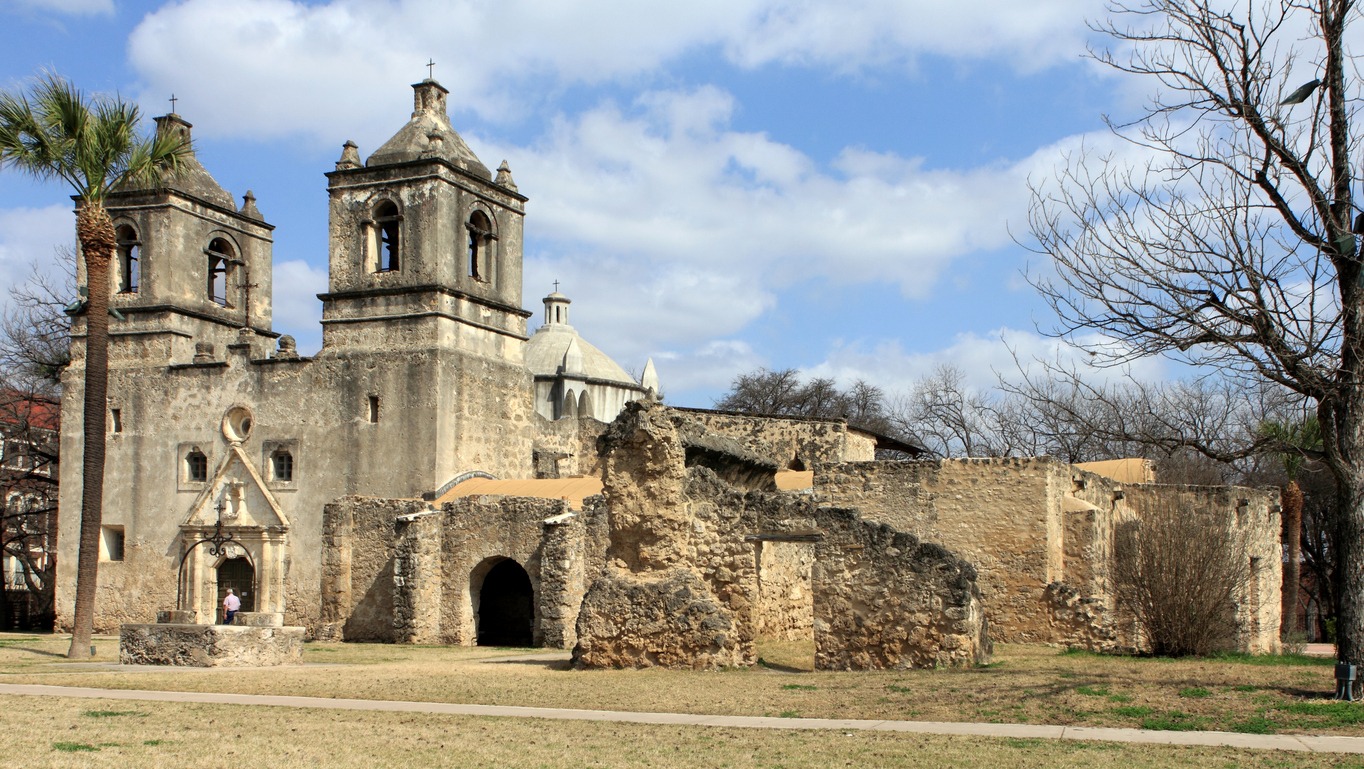
All five of San Antonio’s missions offer photographers an exceptional blend of spiritual heritage and architectural beauty along the river basin. These 18th-century Franciscan sites reflect influences referenced in mission scholarship—Baroque, Plateresque, Mudéjar, and related traditions—adapted to local materials and craftsmanship, with thick stone walls creating dramatic shadow plays throughout the day.
For compelling compositions, explore the mission interiors where light streams through old windows, illuminating weathered stone altars. The community spaces within the courtyards provide striking foreground elements against church façades, especially during golden hour. The decorative programs often combine Catholic symbolism with indigenous motifs inspired by nature—details that reward close lenses and patient framing.
Position yourself to capture the contrast between the surrounding Texas landscape and the orderly compounds that supported Indigenous Coahuiltecan communities. Defensive walls, arcades, and waterworks tell visual stories of colonial life that unfolded within these sacred stones.
Forgotten Texas: Small Town Architectural Gems Around Fort Worth
Beyond San Antonio’s missions, another architectural treasure awaits photographers in the small towns around Fort Worth and beyond. Discover the Central Handley Historic District and its early 20th-century brick commercial buildings—Mission Revival touches, Folk Victorian houses, and a streetscape that works beautifully in morning light.
Hico’s well-preserved vernacular storefronts offer authentic small-town commercial architecture, while Thurber’s industrial smokestacks lend graphic brickwork against big Texas skies. Bronte’s historic theater and Strawn’s one-room schoolhouse (Robinson) capture rural history in a single frame.
These towns grew around railways, mining, and agriculture, and their buildings preserve stories of regional prosperity between 1890–1950—textures and type that urban cores seldom retain.
Light and Space: James Turrell's Skyscape at Rice University
This grass-covered pyramid features a square aperture that frames the sky, creating dynamic interactions between LED light and natural color. The architectural restraint invites you to focus entirely on the changing sky.
Visit at sunrise or sunset when the programmed sequence complements the chromatic shifts—plan ahead, as the installation is temporarily closed and slated to reopen in Spring 2026 due to nearby construction. Formally named Twilight Epiphany, it’s the 73rd work in Turrell’s renowned series of light-filled spaces.
Dawn to Dusk: How Time of Day Transforms Texas Historical Sites
View this post on Instagram
Texas historical sites transform dramatically as the sun charts its course across the sky, presenting photographers with distinct visual opportunities throughout the day. You'll find moody morning atmospherics during dawn hours when soft light creates long shadows that emphasize architectural textures and façade details. Midday offers neutral color rendition ideal for documentation, though it flattens surfaces. Golden hour (pre-sunset) bathes buildings in warm hues that enrich masonry colors and accentuate weathered surfaces. Blue hour transforms sites with cool tones contrasting against illuminated windows and spotlights. Early morning mist adds mystery to historic structures, particularly in coastal or riverine regions. Dramatic sunset silhouettes highlight the intricate outlines of arches, turrets, and columns against colorful skies. In Galveston, the East End Historical District provides exceptional opportunities with imposing Victorian homes—sometimes nicknamed Gresham’s Castle at Bishop’s Palace—that reward lens work in directional light. While time of day shapes momentary lighting conditions, the broader seasonal cycle transforms Texas architectural landmarks through dramatic weather shifts and changing natural environments. Spring's softer light reveals intricate details at San Antonio Missions, while summer's harsh sun creates bold shadows on the State Capitol’s classical features. Autumn delivers golden-hour warmth that enhances historic brick districts, and moody winter monochromes amplify stone façades—especially on overcast days. Texas weather directly affects how materials present themselves: humidity deepens patina on metals at historic depots, while dust and wind etch textures into masonry in drier regions. Seasonal vegetation changes further transform these landmarks—spring blooms framing sites like Washington-on-the-Brazos and winter’s bare branches revealing lines otherwise hidden. Stripping away color reveals the true character of Texas architecture, transforming familiar landmarks into dramatic studies of form, texture, and contrast. You’ll find weathered building façades in Galveston’s East End particularly striking when captured in black and white, highlighting Victorian details that might otherwise go unnoticed. San Antonio’s missions offer strong shadow play during early morning or late afternoon shoots. Austin’s Capitol—from ornate hardware to broad façades—gains depth through high-contrast techniques. Fort Worth Stockyards and industrial corridors in Houston can become powerful geometric abstractions in monochrome. The Bexar County Courthouse (Romanesque Revival by J. Riely Gordon) also rewards black-and-white treatment, its massing and carved stone reading crisply across a full dynamic range. Seasonal Perspectives: Architectural Landmarks Through Texas Weather Changes
Monochrome Masterpieces: Texas Architecture in Black and White