Austin's Harry Ransom Center: Manuscripts, Folios, and History
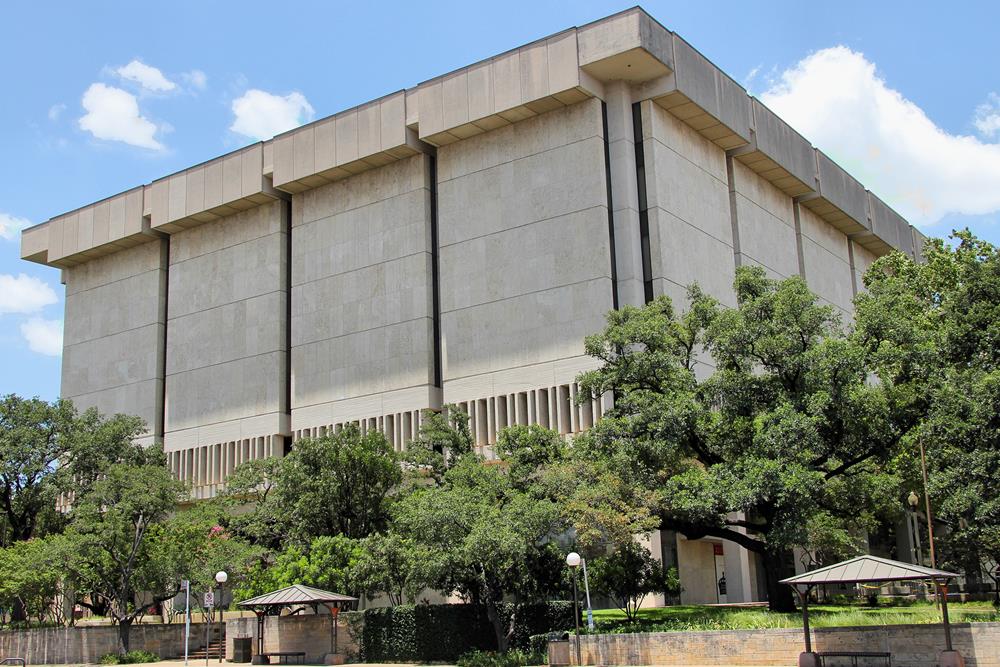
The Harry Ransom Center in Austin houses more than 42 million manuscripts and one of only twenty complete Gutenberg Bibles worldwide. Founded in 1957 as the Humanities Research Center by Harry Huntt Ransom (renamed in 1983), this cultural treasure includes the earliest surviving photograph made in a camera and extensive literary archives from renowned authors and artists.
You'll find rare books, folios, and historical artifacts preserved in a purpose-built building on the UT Austin campus. The collections await your exploration, offering insights into humanity's creative journey.
The Vision of Harry Huntt Ransom: From Humble Beginnings to Cultural Monument
https://www.youtube.com/watch?v=ayUeR0nD_U8
While many cultural institutions emerge from carefully crafted strategic plans, the Harry Ransom Center grew from one man's profound vision for intellectual preservation. Born in 1908 in Galveston, Harry Huntt Ransom’s humble origins belied his future impact on Texas’s cultural landscape.
After earning advanced degrees and joining UT, Ransom served as UT president (1960–61) and chancellor (1961–71). In 1957 he established the Humanities Research Center, renamed in his honor in 1983. During his tenure, he advanced scholarship as founding editor of Texas Quarterly, a publication that gained broad recognition. The Center embodied his commitment to preserving human creativity through manuscripts, rare books, and cultural artifacts.
Ransom’s approach transformed library development by emphasizing open access and scholarly support. His legacy lives on through the Center’s world-class collections that connect academic excellence with public engagement—a living monument to his educational philosophy.
Exploring the Gutenberg Bible and Other Rare Book Treasures
View this post on Instagram
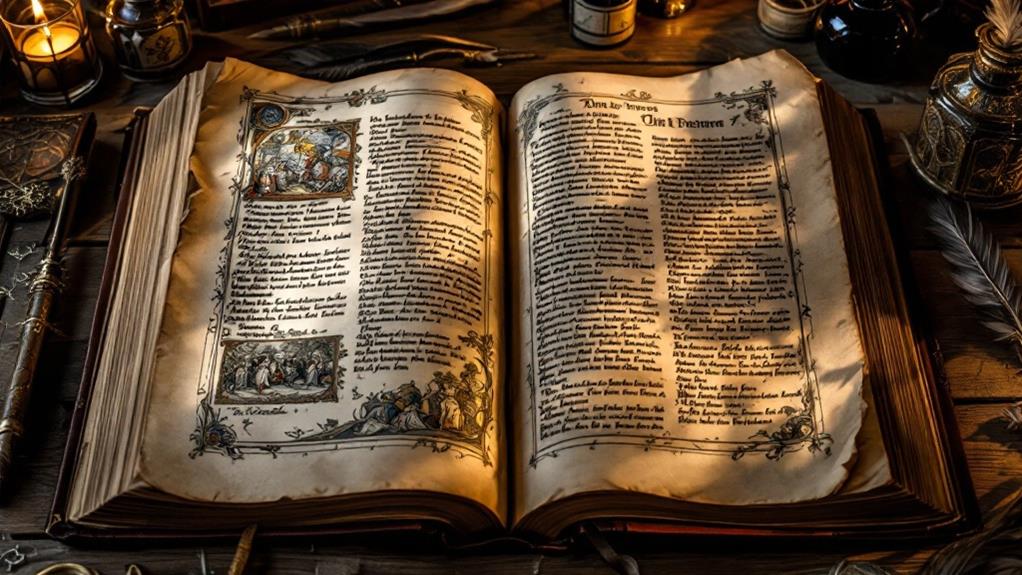
At the heart of Ransom’s vision sits perhaps the most celebrated treasure in the Center’s vast holdings: one of only twenty complete Gutenberg Bibles in existence. When you visit, you’ll witness this revolutionary text printed in Mainz c. 1455, with colorful hand-added initials in volume one and traditional red-and-blue initials in volume two. Beyond admiring these bound treasures, you can explore every page online, thanks to the Center’s digital access to the Bible. The Center’s collections extend far beyond Gutenberg, housing nearly one million rare books and more than 42 million manuscripts documenting the evolution of book production, typography, and design across centuries. Stepping into the Harry Ransom Center’s manuscript collections feels like entering a literary universe with its more than 42 million manuscripts, forming one of the world’s major literary archives. These legacies span centuries, representing renowned authors, filmmakers, and cultural icons including Robert De Niro. When you explore these archival acquisitions, you’ll discover: The Center’s strategy focuses on whole archives rather than single pieces. In 2015–16, the Center recorded nearly 6,000 research visits, supported by expert staff and detailed finding aids that illuminate its vast holdings. Beyond manuscripts, the Ransom Center houses a treasure of inestimable value: the earliest surviving photograph made with a camera, Joseph Nicéphore Niépce’s heliograph View from the Window at Le Gras (1826–27). This small pewter plate—roughly 6.5 × 8 inches—revolutionized visual documentation. It traveled for exhibition in 2012–2013 and then returned to Austin, where the Center provides enhanced reproductions to aid viewing of this fragile artifact. Rediscovered by Helmut and Alison Gernsheim in 1952, the photograph entered the Center with the Gernsheim collection (acquired 1963), securing Niépce’s place as a pioneer of photography. The Ransom Center’s visual art holdings transcend boundaries between text and image, offering a rich exploration of how words and pictures interact to create meaning. Through historic treasures and contemporary acquisitions, you’ll discover how artists translate language into visual expression. The Center’s commitments include: Rotating exhibitions regularly place text and image in conversation, inviting visitors to consider where reading blurs with viewing. What architectural secrets lie behind the Ransom Center’s imposing façade? The dedicated building opened in 1972 and is often described as Brutalist in style. A major Lake|Flato renovation transformed the once fortress-like structure with new exhibit spaces, a 125-seat theater, and light-filled public areas, while preserving robust support for precious archives. The Center’s preservation capabilities rely on sophisticated climate control that maintains precise temperature and humidity. These systems work invisibly behind the walls, protecting manuscripts and folios while flexible lighting illuminates both collections and architectural details. The renovation reconfigured and expanded public spaces to enhance exhibitions and research—notably improving access and visibility. While climate systems protect the Ransom Center’s treasures, the true heartbeat of this institution stems from scholars who bring these materials to life. Each year, thousands of researchers study the archives, with nearly 6,000 research visits recorded in 2015–16. You’ll find the Center vibrant with interdisciplinary work spanning literature, photography, film, and performing arts. Four ways scholars engage with these materials: This engagement turns static archives into living cultural resources advancing humanities knowledge worldwide. A remarkable transformation has reshaped how scholars interact with the Center’s vast collections over the past two decades. You’ll now find Project REVEAL and robust digital repositories offering increased access to everything from medieval manuscripts to film ephemera. Behind the scenes, metadata enhancements improve search while addressing cultural sensitivity in descriptions. The Center publishes digital collections to share high-resolution materials, protecting fragile originals from over-handling while broadening global access. This evolution balances open access with rights management, extending the reach of these remarkable collections beyond physical boundaries. The visionary dream of Harry Huntt Ransom transformed from humble beginnings into one of the world’s premier cultural institutions over decades of growth. You’ll witness this in acquisitions and humanities initiatives that have shaped cultural scholarship worldwide. Highlights in the Center’s journey include: This growth has established the Center as an invaluable resource for both scholars and the public, emphasizing accessibility to extraordinary collections. The Center’s commitment to accessibility shines through its free admission policy and staff-led tours. Through multimedia catalogs, web exhibitions, and digital resources, remote audiences can explore rare manuscripts and historic artifacts. Participatory programming—including workshops, lectures, and symposia—encourages engagement across age groups. Whether you’re examining the Gutenberg Bible or learning about the Niépce heliograph, you’ll discover how the Center brings humanities scholarship to life for everyone. You’ll find yourself inspired after experiencing the Harry Ransom Center. Whether you’re examining the Gutenberg Bible, poring over manuscripts from literary legends, or marveling at the first photograph, you’re connecting with humanity’s creative legacy. As the Center continues to bridge traditional scholarship with digital innovation, it’s not just preserving history—it’s inviting you into an ongoing cultural conversation that spans centuries.Literary Giants: Navigating the Manuscript Collections
The First Photograph: Pioneering Images in the Photography Collection
Art Beyond Words: Notable Visual Works and Their Cultural Impact
Behind the Limestone Walls: Architectural Design for Preservation
Scholarly Pursuits: How Researchers Utilize the Center’s Resources
From Paper to Digital: Evolution of Archival Access at the Ransom Center
Cultural Milestones: Five Decades of Growth and Discovery
Beyond the Reading Room: Public Exhibitions and Educational Outreach
Conclusion
Related posts