A Look at the Regional Styles in Historical Folios: Europe, Asia, and the Middle East
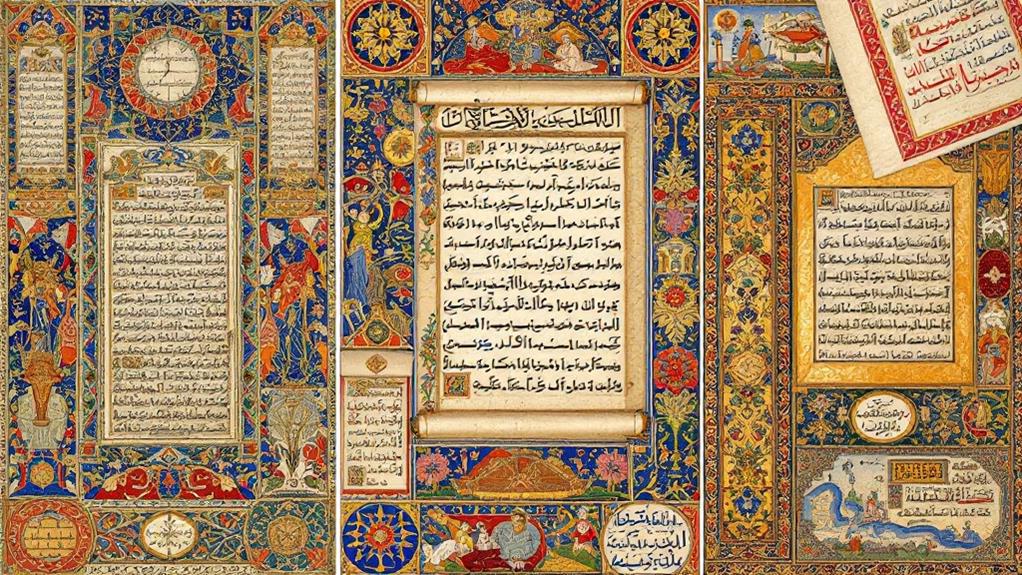
When exploring historical folios, you'll notice Europe's illuminated manuscripts bursting with lively designs and sophisticated calligraphy, revealing a medieval artistic tradition. In Asia, scroll artistry emphasizes elegant brushwork with fluid narratives and symbolic nature elements. Meanwhile, the Middle East showcases calligraphic masterpieces with intricate geometric patterns and divine cultural symbolism. Across these regions, cultural exchanges through trade and migrations enriched each style. Distinct techniques and materials—leather in Europe, silk in Asia—add to the diversity. Preservation efforts endeavor to protect these gems, ensuring future generations can appreciate their artistic legacy. There's much more to uncover about these enchanting traditions.
European Manuscript Traditions
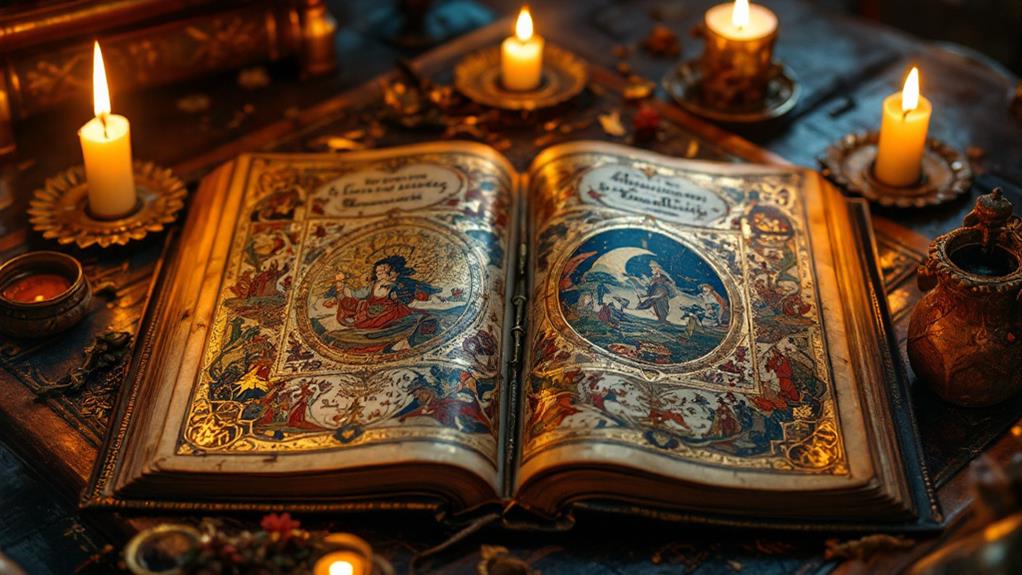
Exploring European manuscript traditions reveals a rich tapestry of artistic and cultural influences that have shaped the continent's historical folios. You'll find illuminated manuscripts, a reflection of the craftsmanship of medieval scripts, showcasing detailed artistry. Monastic scribes played an essential role, laboring over codex formats in dimly lit scriptoriums. Their work often featured intricate manuscript illumination that brought sacred texts to life. The Gothic style emerged, with its elaborate and ornate decorations, reflecting the spiritual fervor and architectural grandeur of the period.
As you investigate further, you'll notice the Renaissance influences that began altering these manuscripts. This period introduced more naturalistic elements and a renewed focus on humanism, breathing fresh life into the pages. The manuscripts evolved, not just in style but in content, capturing the intellectual revival of the time.
Regional variations also became distinct, with each area imprinting its own unique characteristics onto the manuscripts. For instance, the delicate interlace patterns of Insular art from the British Isles contrast with the bold, colorful designs of Spanish manuscripts. By examining these regional styles, you gain insights into the diverse cultural landscapes that shaped Europe's written heritage.
Asian Scroll Artistry
While European manuscripts thrived in their intricate codices, Asia developed its own distinctive traditions through scroll artistry. As you investigate Asian scrolls, you'll notice the elegance and fluidity that define this art form. Artists mastered ink techniques, using varying pressures and brush angles to create dynamic lines and textures. The ink's intensity and subtlety communicate emotions and narratives without needing words.
In these scrolls, visual symbolism plays an essential role. You'll find that each element, regardless of whether it's a mountain, river, or bamboo, carries specific meanings. Mountains often symbolize stability and endurance, while rivers might represent life's path. By understanding these symbols, you can appreciate the deeper layers of storytelling embedded in the artwork.
Moreover, the format of scrolls allows for a unique narrative flow. As you unroll a scroll, the story unfolds gradually, creating an intimate experience between you and the artwork. This sequential viewing mirrors the passage of time and improves the narrative's impact. By engaging with Asian scroll artistry, you connect with a rich cultural heritage that emphasizes harmony and balance, inviting you to investigate the beauty of its visual language.
Middle Eastern Calligraphic Heritage
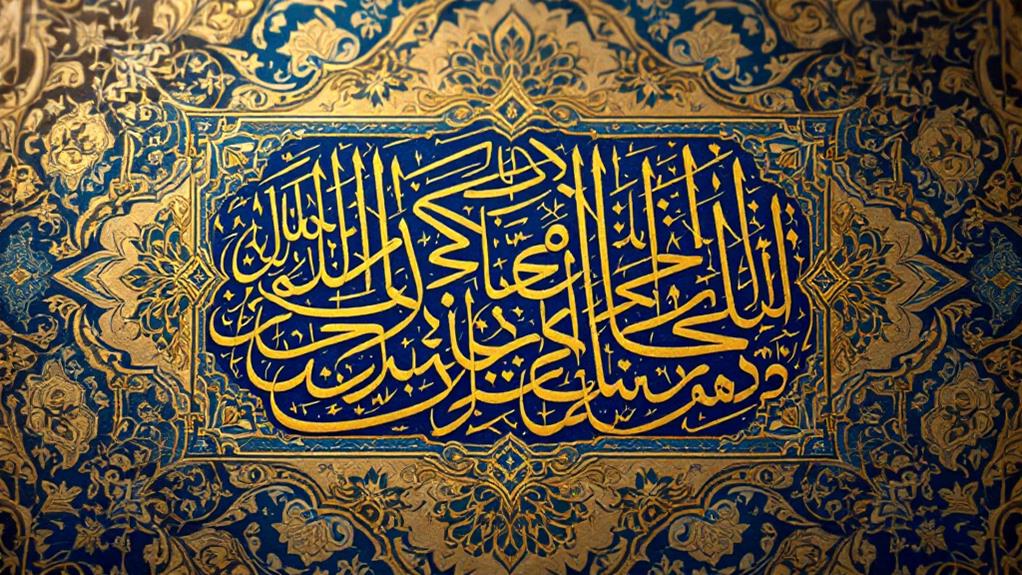
In the heart of the Middle East, calligraphy isn't just an art form; it's a revered cultural expression that intertwines with the region's rich history. As you explore this world, you'll find that Arabic scripts hold a unique place within Islamic art, serving as both a spiritual and aesthetic medium. The calligraphic evolution over centuries reflects a deep cultural symbolism, where the written word becomes a bridge between the divine and the earthly.
Consider these three aspects that highlight the significance of Middle Eastern calligraphy:
- Arabic Scripts: These aren't merely letters; they're crafted with precision and grace, embodying the beauty and complexity of the language. Each script, from Kufic to Naskh, tells its own story through strokes and curves.
- Ink Traditions: The type of ink used plays a vital role in the art's longevity and vibrancy. Traditional ink-making techniques have been passed down through generations, preserving the essence of this cultural heritage.
- Manuscript Illumination: Beyond writing, the embellishment of manuscripts with intricate designs raises them to masterpieces, showcasing the skill and imagination of their creators.
Exploring these elements offers a profound insight into the Middle Eastern calligraphic heritage.
Cross-Cultural Influences
Many might overlook how deeply intertwined cultures have influenced the development of calligraphy across regions. You can see this interplay in the way trade routes facilitated cultural exchange. As merchants traveled, they didn't just carry goods; they also shared artistic ideas and techniques. This led to artistic collaboration that enriched calligraphy styles, blending elements from different cultures.
Religious influences also played a significant role in shaping calligraphic traditions. For example, Islamic calligraphy spread across Asia and Europe, adapting to local tastes and religious contexts. You'd find that migration patterns further contributed to this cultural fusion. As people moved, they brought with them their unique calligraphic styles, which then interacted with local practices, creating new artistic expressions.
Technological advancements, such as the invention of paper, also spurred changes in calligraphy. You might notice how the spread of paper along trade routes allowed for the easier exchange of manuscripts, enabling a wider dissemination of calligraphic styles and techniques. These cross-cultural influences have left a lasting impact on the calligraphy you see today, creating a rich tapestry of interconnected artistic traditions that reflect the shared history of human creativity.
Materials and Techniques
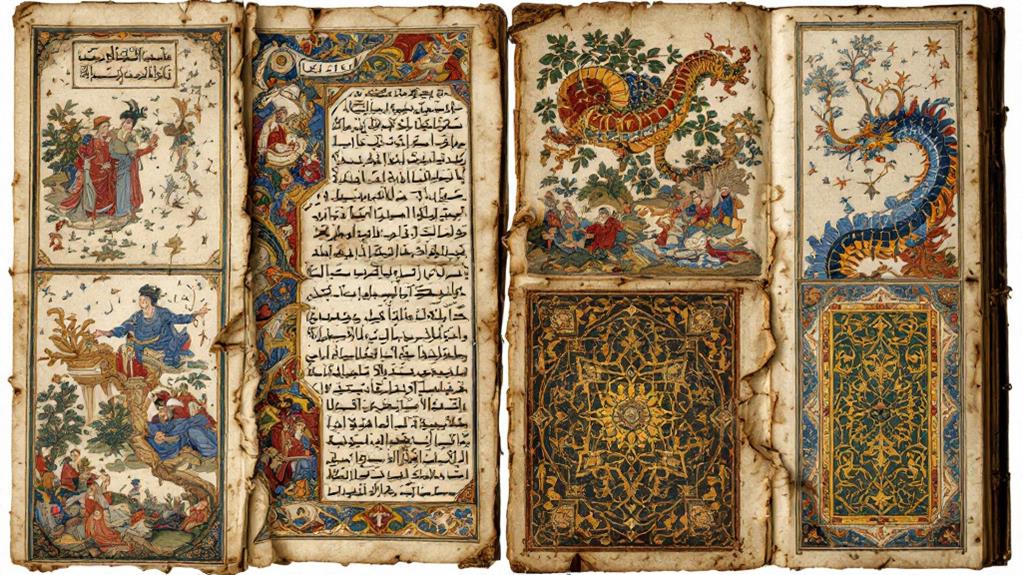
As you investigate the fascinating intersections of calligraphic styles, it's essential to reflect on the materials and techniques that have shaped these artistic expressions. Across Europe, Asia, and the Middle East, the choice of materials and the methods employed have distinctively influenced the aesthetic and durability of historical folios. Understanding the materials used can offer insights into the cultural priorities and technological advancements of each region.
- Binding Techniques: The binding of folios often reflected regional preferences and available resources. In Europe, leather binding was prevalent, showcasing the durability and availability of animal products. Asia favored silk and paper bindings, emphasizing elegance and flexibility. The Middle East often utilized intricate leatherwork with decorative tooling, displaying a blend of durability and artistry.
- Pigment Sources: The pigments used in these folios were derived from local materials. European inks often included iron gall and plant dyes, while Asian artists employed mineral-based pigments and lively plant extracts. Middle Eastern calligraphers favored natural earth tones, extracted from minerals and plants indigenous to the region.
- Techniques: Each region developed distinct methods, such as Europe's detailed illumination, Asia's brushwork precision, and the Middle East's focus on geometric patterns, all contributing to the rich tapestry of historical folios.
Preservation and Legacy
Across centuries, the preservation and legacy of historical folios have captured the imagination of scholars and art enthusiasts alike. You might wonder why these ancient texts hold such allure. It's not just their beauty but the historical significance they carry. Each folio is a time capsule, revealing insights into the culture, beliefs, and artistry of their creators. By preserving these works, you're ensuring that future generations can investigate and learn from them.
Cultural preservation plays a significant role in this process. You must adopt groundbreaking conservation techniques to protect fragile manuscripts from deteriorating. It's not just about keeping them intact but also making them accessible. Digital archiving has become an essential tool, allowing you to share these gems globally without compromising their physical integrity.
The legacy of these folios extends beyond their immediate historical context. They serve as a bridge connecting different cultures, fostering a deeper understanding and appreciation of our shared heritage. When you engage in preservation efforts, you're not just saving old books; you're safeguarding the stories, knowledge, and artistry that define humanity. It's a responsibility and a privilege, ensuring these irreplaceable pieces continue to inspire and educate.
Related posts